Top 10 Benefits of Using Glossy Paper for Your Printing Needs?
In the printing world, the choice of paper can significantly impact the final product. Renowned industry expert, John Smith, emphasizes this point: "Glossy Paper can elevate the quality of any print material." This statement resonates deeply with businesses seeking to make a striking impression.
Glossy Paper has distinctive qualities that enhance colors and sharpness. Its surface reflects light, creating vibrant images that attract attention. For brands, this enhances their marketing materials, making them stand out. However, it is vital to consider the context. Sometimes, Glossy Paper may not fit all projects. For instance, certain artistic works may lose their authenticity on such surfaces.
Selecting the right paper is a balancing act. While Glossy Paper offers stunning visuals, it can overshadow subtle details in some cases. It is essential to reflect on the purpose of the print. Is a flashy look necessary? Or will a matte finish serve better? The answer often lies in understanding the target audience and their preferences.

Advantages of Glossy Paper in Enhancing Visual Appeal
Glossy paper is known for its eye-catching finish. It enhances colors and provides a vibrant look for printed materials. Photographs printed on glossy paper pop with life. The shiny surface captures light, resulting in a sharp and appealing image. This effect is particularly beneficial for marketing materials. Bright colors attract attention and help convey messages effectively.
When considering glossy paper, think about your project requirements. Not all designs need high gloss. For professional documents, a matte finish may be more appropriate. Choosing the right paper can depend on the message you want to send. Sometimes, experimenting with different finishes can yield surprising results. Reflect on how each finish communicates your brand's identity.
Here are a few tips for using glossy paper. Ensure your printer is equipped to handle it. Some printers may struggle with thicker paper. Also, consider the drying time. Glossy prints may smudge if handled too quickly. Always let your prints dry completely before packaging. Finally, pay attention to lighting when displaying glossy prints. Too much glare can detract from the visual appeal.
Top 10 Benefits of Using Glossy Paper for Your Printing Needs
The Role of Glossy Paper in Color Accuracy and Vibrancy
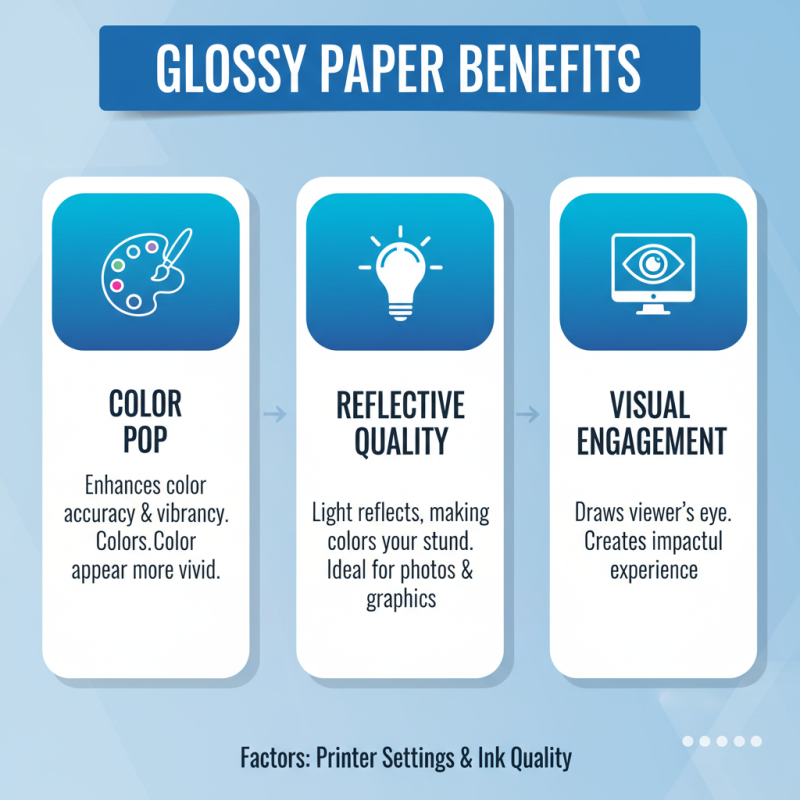
Glossy paper has a unique ability to enhance color accuracy and vibrancy. When printed on glossy surfaces, images appear more vivid. The reflective quality of glossy paper helps colors pop, making it ideal for photos and graphics. This effect draws the viewer's eye, creating a more engaging experience. However, achieving perfect color reproduction depends on several factors, including printer settings and ink quality.
While glossy paper enhances brightness, it can also amplify imperfections. If a photo has flaws, they may become more noticeable. The shine can reflect light, creating glare in certain conditions. This may distract from the intended message. It's important to weigh these aspects when choosing glossy paper for projects. Understanding the limitations is crucial for achieving the best results.
Additionally, handling glossy paper can be tricky. Fingerprints and smudges can easily mar the surface. Ensuring clean handling is key to maintaining quality. This attention to detail is necessary, especially for professional prints. Balancing the advantages and potential drawbacks can lead to better decision-making. For those seeking to boost color vibrancy, glossy paper is a compelling choice, but not without its challenges.
Durability and Longevity: Benefits of Glossy Paper for Printing
When it comes to printing materials, glossy paper offers significant advantages, particularly in terms of durability and longevity. Its shiny surface is not only visually appealing but also resistant to wear and tear. Images printed on glossy paper tend to last longer, maintaining their vibrancy over time. This makes glossy paper an excellent choice for photographs and marketing materials that need to capture attention.
Tips: Consider your project's purpose when choosing glossy paper. If it’s for an event or a display, glossy will shine. However, if it’s for documents meant to be written on, matte may work better. Glossy finishes can be difficult to write on.
Another benefit of glossy paper is its resistance to fading. Unlike standard paper, glossy sheets can withstand exposure to light without losing color intensity. Although it can be more expensive, investing in quality can save money in the long run. This reflects a need for understanding value versus cost. Not every project requires glossy finishes, so weigh your options carefully.
Tips: Always conduct a test print. Different printers can produce varying results on glossy paper. Sometimes the colors don’t pop as expected. Don't hesitate to adjust your settings for the best outcome.
Cost-Effectiveness of Using Glossy Paper for Bulk Printing Needs
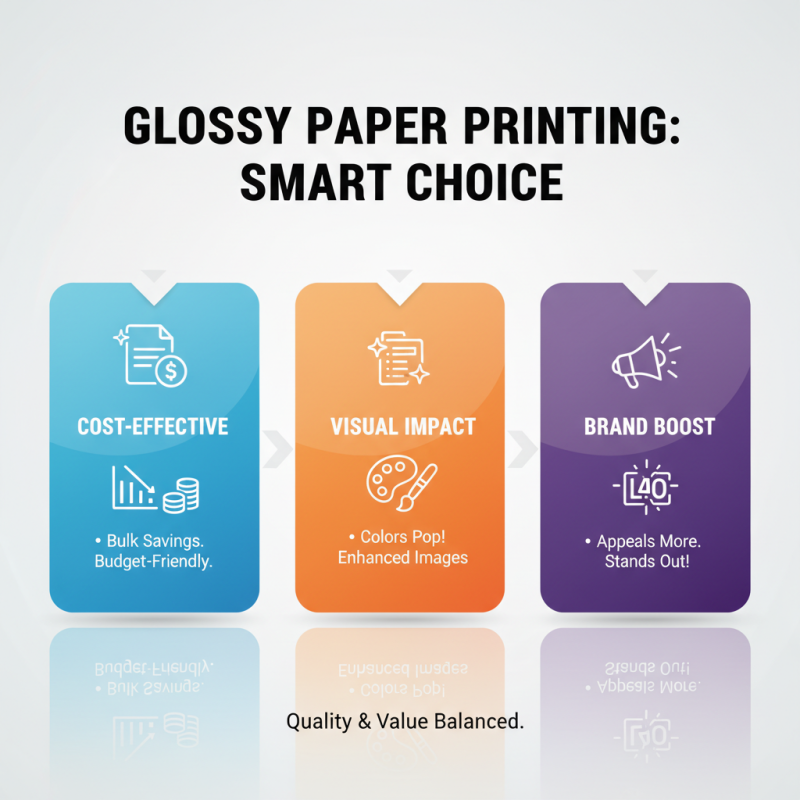
Using glossy paper for your printing projects can be cost-effective, especially in bulk. The shiny finish enhances colors and images, making them pop. This attractively improves brand visibility. While the choices for printing materials seem overwhelming, glossy paper often provides a balance of quality and budget.
Cost-effectiveness is a key benefit when producing large quantities. Glossy paper can elevate the perceived value of your printed materials without breaking the bank. It generally requires less ink than other types of paper. This results in lower overall printing costs. However, some may find that glossy paper can smudge easily, and careful handling is necessary.
Here are some tips for getting the most out of your glossy printing projects:
- Avoid overloading information. Keep text concise.
- Always check printer settings for glossy paper options.
- Store glossy prints flat to prevent curling.
These steps can help you optimize both print quality and expense. Finding the right balance between cost and appeal is essential. Sometimes, it's worthwhile to test a small batch before committing to larger orders.
Sustainability Considerations for Glossy Paper in Printing Solutions
In today’s world, sustainability is a pressing issue. The use of glossy paper in printing needs careful consideration. On one hand, glossy paper enhances visual appeal. It makes photos pop and colors vibrant. On the other hand, its production impact is significant. The chemicals in the coating can be harmful to the environment.
Not all glossy paper is created equal. Some come from sustainable sources. Certifications like FSC highlight responsible forestry practices. However, many people are unaware of the sourcing behind their materials. Recycling glossy paper can also be complicated. The glossy coating makes it less eco-friendly than matte options. It’s crucial to weigh the benefits and drawbacks.
There’s a growing demand for eco-conscious products. Now, manufacturers are exploring alternative coatings. Biodegradable options are emerging, but they often cost more. This economic factor may deter some businesses. Shifting towards sustainability requires a collective effort. It’s essential to reflect on our choices in printing. Every decision contributes to our environmental footprint.