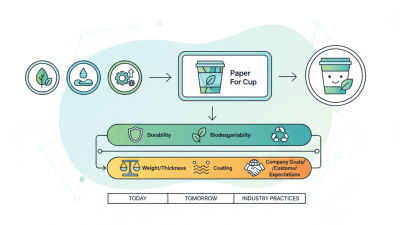
In today's competitive market, businesses strive to align sustainability with functionality. One innovative solution gaining traction is Paperboard Cups. These cups not only serve beverages but also reflect a commitment to eco-friendly practices. Industry expert Dr. Emily Parker emphasizes, “The future belongs to businesses that prioritize sustainable packaging options like Paperboard Cups.”
Paperboard Cups offer significant benefits for businesses, ranging from improved customer perception to reduced environmental impact. They are not just an alternative; they represent a shift towards responsible consumerism. The lightweight nature of Paperboard Cups makes them easy to transport and efficient in production, but questions about their durability and life span often arise.
Some businesses may worry about opting for eco-friendly products, doubting whether Paperboard Cups can meet customer needs. Yet, embracing this solution opens pathways to innovation while enriching brand identity. As companies navigate this evolving landscape, the advantages of using Paperboard Cups are becoming increasingly clear.
Paperboard cups are becoming a preferred choice for eco-conscious businesses. They offer numerous environmental advantages that support sustainability efforts. Made from renewable resources, these cups are biodegradable, reducing waste in landfills. Unlike plastic, paperboard breaks down naturally. This helps in minimizing the effects of pollution on our planet.
Using paperboard cups can also enhance a brand's image. Companies that prioritize eco-friendly products attract environmentally conscious consumers. This can lead to increased customer loyalty and brand reputation. However, businesses must ensure that their sourcing is responsible. Not all paperboard products are created equal. Some may still involve harmful practices in their production. It's crucial to choose suppliers who uphold sustainable methods.
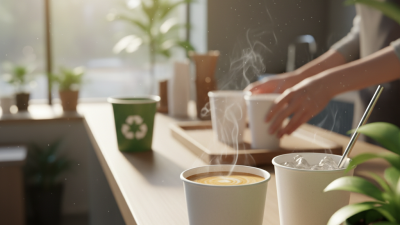
While paperboard cups present many benefits, they do require specific disposal methods for maximum effectiveness. If not discarded properly, they can still contribute to waste. Educating consumers about proper disposal can help mitigate this issue. Businesses should incorporate clear messaging on recycling and composting. This not only reinforces their commitment to sustainability but also engages customers in a shared cause.
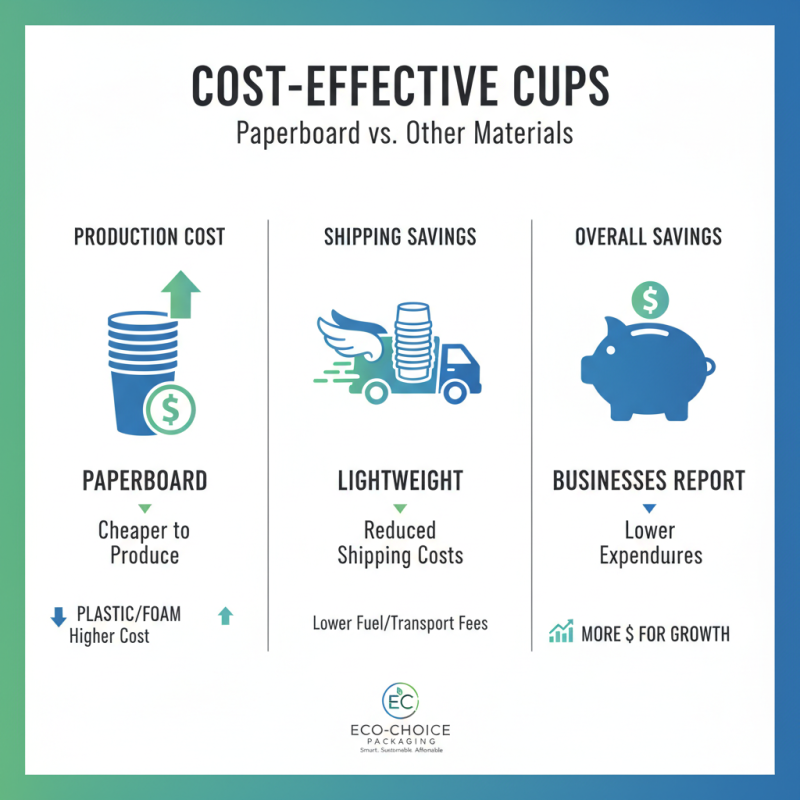
Paperboard cups offer a cost-effective option for businesses looking to reduce expenses. Unlike traditional plastic or foam cups, paperboard cups are often cheaper to produce. Their lightweight nature reduces shipping costs, providing additional savings for companies. Many businesses report lower overall expenditures after switching to paperboard cups. This allows for better allocation of funds toward growth and development.
The environmental impact of using paperboard cups should also be considered. They are typically made from renewable resources and are recyclable. This can resonate well with eco-conscious consumers. However, not all paperboard cups are created equal; some may not be as durable. This can lead to spills and waste, ultimately undermining cost savings. Evaluating quality is essential before making a switch.
While the initial investment may be similar, the long-term benefits of using paperboard cups can be significant. They provide a reliable solution for hot and cold beverages. Many users note that their design allows for better handling. Yet, businesses must remain aware of potential drawbacks, including sourcing issues. Balancing cost with quality becomes vital when choosing materials for your needs.
Custom paperboard cup designs can significantly enhance your brand image. When customers see unique, well-designed cups, they often feel a connection to your business. This simple change can lead to increased customer loyalty and brand recognition.
Tips for effective designs: Use vibrant colors that reflect your brand. Make sure your logo is prominent, yet balanced with other design elements. Ensure the text is easy to read from a distance. Simple, memorable designs tend to stick in people’s minds.
Remember, your cups are often the first thing customers see. This creates an opportunity to leave a lasting impression. However, avoid overcrowding your design with too much information. A cluttered cup can be off-putting and hard to understand.
Ultimately, your custom designs should tell a story. Reflect your brand values and engage customers. Balance is key. Strive for creativity but maintain clarity. Sometimes less is more; focus on high-impact visuals that resonate with your target audience.
| Benefit | Description | Impact on Business |
|---|---|---|
| Eco-Friendly | Made from sustainable materials, reducing environmental impact. | Enhances brand reputation as environmentally conscious. |
| Custom Branding | Allows for unique designs that reflect brand identity. | Increases brand recognition and customer loyalty. |
| Lightweight | Easy to transport and store, reducing shipping costs. | Improves overall efficiency in logistics. |
| Versatile Use | Suitable for hot and cold beverages, accommodating diverse needs. | Attracts a wider customer base and increases sales opportunities. |
| Cost-Effective | Generally cheaper than plastic or glass alternatives. | Improves profit margins on beverage sales. |
| Regulatory Compliance | Meets local and international regulations on food safety. | Reduces risk of fines and improves customer trust. |
| Enhanced Customer Experience | Offers a more pleasant drinking experience compared to plastic. | Increases customer satisfaction and repeat business. |
| Marketing Opportunities | Use cups as a medium for advertising promotions and events. | Creates additional marketing channels and engages customers. |
| Easy Disposal | Biodegradable options make disposal simpler and cleaner. | Enhances brand image by promoting sustainability initiatives. |
| Creative Design Flexibility | Various design options to match seasonal or campaign themes. | Increases customer engagement through visually appealing products. |
Consumers are increasingly choosing paperboard cups for their beverages. These cups align with growing environmental concerns. People appreciate products that minimize plastic waste. They want to support eco-friendly businesses. This preference influences buying decisions significantly.
The tactile experience matters too. Paperboard cups feel sturdy and comfortable in hand. Customers often comment on how pleasant these cups are. They also offer vibrant printing options. This draws attention to brands promoting sustainability. A well-designed cup can enhance the overall drinking experience.
However, some challenges exist. Paperboard isn't suitable for all beverages. Customers may question insulation for hot drinks. Testing different designs is essential. Balancing aesthetics and functionality can be tricky. Companies must stay informed about material advancements. This ensures they meet customer expectations effectively.
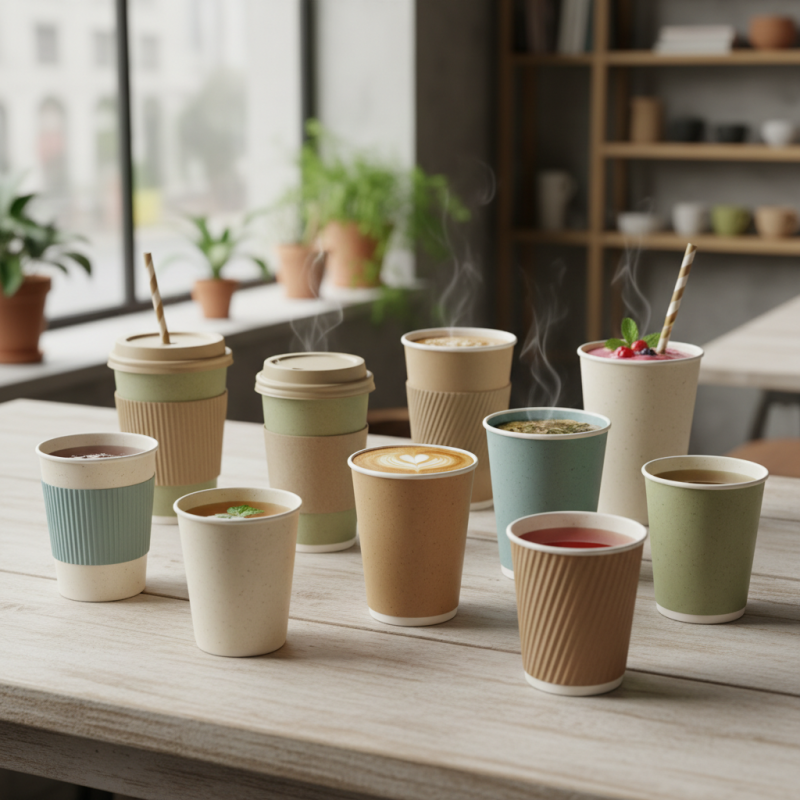
Paperboard cups are designed for versatility, accommodating various beverage types with ease. They are suitable for hot coffee, iced drinks, smoothies, and even desserts. This adaptability makes them an ideal choice for cafes, restaurants, and events. Customers love the option to have their drinks in a single cup, regardless of the temperature or ingredients.
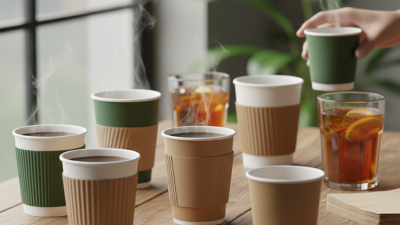
The structure of paperboard cups ensures safety and comfort. They often come with insulation that keeps beverages hot or cold without burning fingers. This feature is particularly beneficial for busy environments. Paperboard cups often feature attractive designs, enhancing the presentation of drinks. Eco-conscious consumers appreciate that many cups are recyclable and biodegradable.
Despite their advantages, it’s essential to recognize limitations. Not all paperboard cups are suitable for every type of liquid. For instance, highly acidic drinks may compromise the cup's integrity over time. Reflecting on these challenges encourages businesses to choose the right cup for each beverage. By focusing on quality and suitability, businesses can ensure customer satisfaction while embracing sustainability.