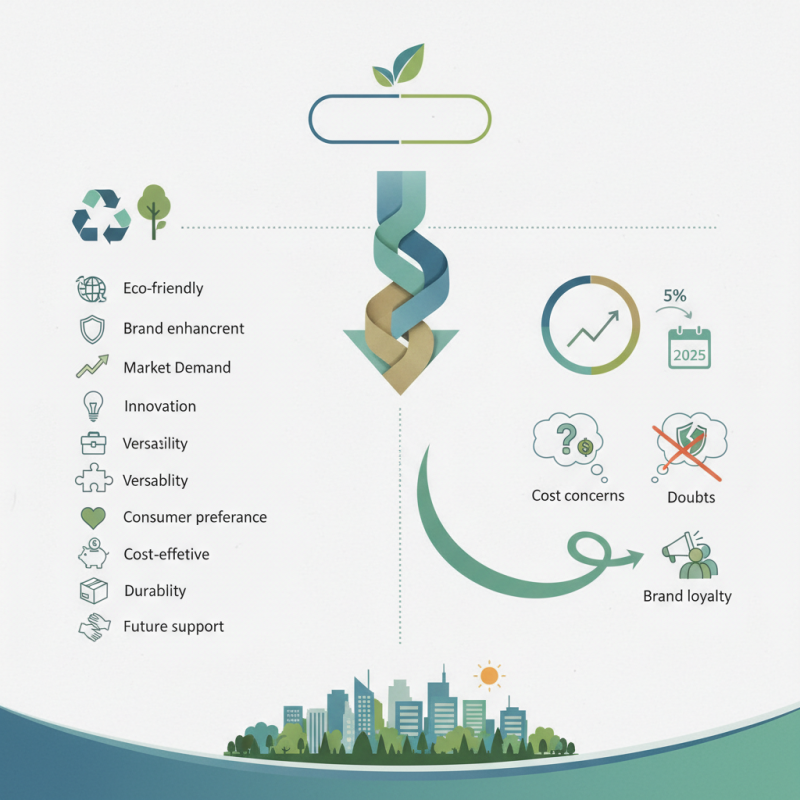
In today's competitive market, the importance of sustainable packaging solutions cannot be overstated. Paperboard Paper, a preferred choice for many brands, brings multiple advantages to the table. According to a study by Smithers Pira, the global demand for Paperboard Paper packaging is expected to grow by 5% annually through 2025. This trend emphasizes the need for businesses to adapt to eco-friendly materials.
Experts like Dr. James Anderson, a packing industry analyst, highlight the efficiency of Paperboard Paper. He states, “Not only does it reduce environmental impact, but it also enhances branding.” This dual benefit contributes to a growing consumer preference for sustainable options. As brands strive to connect with eco-conscious customers, adopting Paperboard Paper solutions becomes crucial.
Moreover, Paperboard Paper is versatile and customizable, allowing businesses to convey their unique identity. However, some brands still hesitate due to cost concerns and perceptions about durability. It's essential for companies to weigh these factors against the long-term benefits of using Paperboard Paper in their packaging strategies. Embracing this shift will not only bolster brand loyalty but also support a more sustainable future.
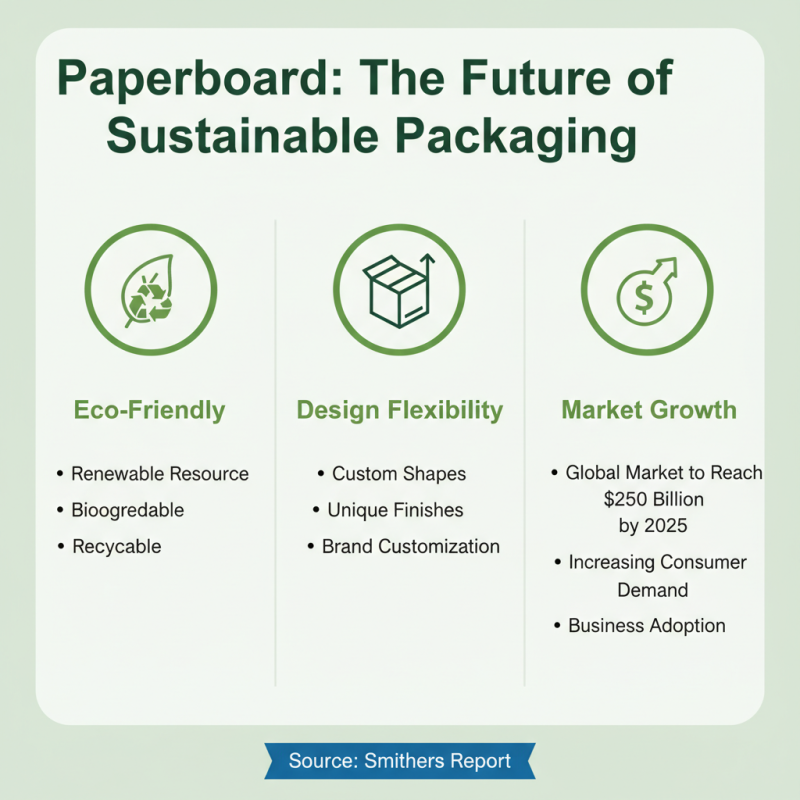
Paperboard is gaining traction as an eco-friendly option in packaging solutions. Its design flexibility stands out, allowing brands to create unique shapes and finishes. According to a recent report by Smithers, the global paperboard market is projected to reach $250 billion by 2025. This growth reflects the increasing demand for sustainable materials among consumers and businesses.
Sustainability is a pressing concern. Paperboard is primarily made from renewable resources, unlike plastic. The recycling rate for paper products is about 66% in many regions. This means that a significant portion of paperboard can be reused, reducing waste. However, some challenges remain. Not all paperboard can be recycled easily, especially those coated with plastics. Industry efforts are ongoing to improve the recyclability of composite materials.
Furthermore, paperboard packaging can enhance product safety. Its rigidity provides better protection during transport. Nonetheless, the balance between functionality and sustainability can be nuanced. Some products may not require heavy-duty protection, leading to excess material usage. Careful consideration is essential in designing packaging that aligns with both environmental goals and product needs.
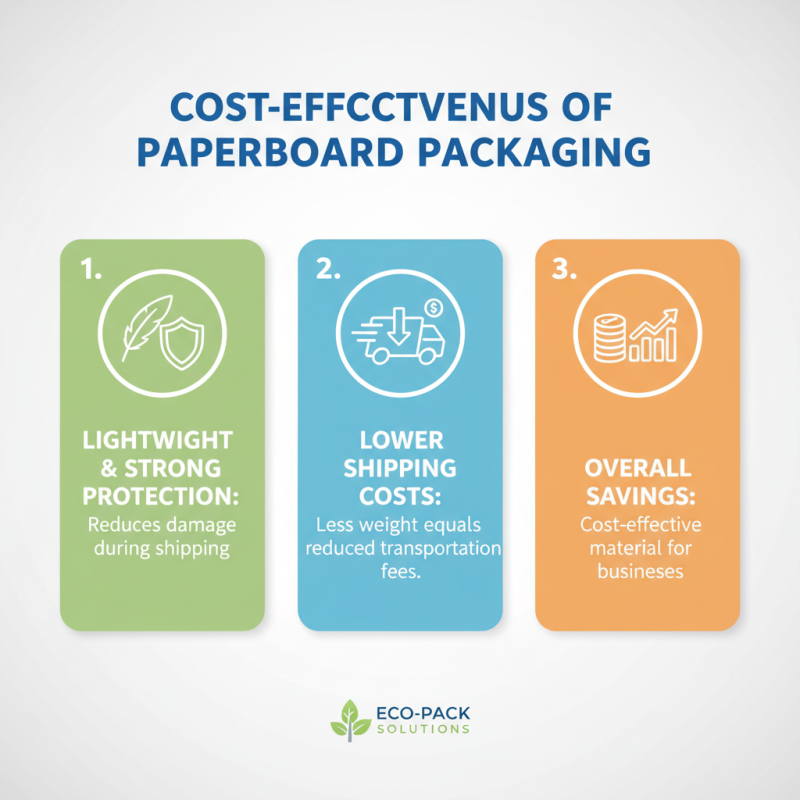
Paperboard packaging has gained popularity due to its cost-effectiveness in the packaging industry. This material is lightweight yet strong. It offers substantial protection for products during shipping and storage. Using paperboard can reduce transportation costs as well. Less weight means lower shipping fees, which is attractive for businesses looking to save money.
Moreover, paperboard is often more affordable than plastics or metals, making it a practical choice for manufacturers. It is easily customizable, allowing companies to create tailored packaging solutions without significant cost increases. Many businesses find that opting for paperboard leads to better profit margins. Although some may view paperboard as less durable, innovations in processing have addressed this concern effectively.
Issues remain, of course. The environmental impact of paperboard production can be significant. Sourcing raw materials responsibly is crucial for sustainability. Companies must consider their entire supply chain. This reflection ensures that cost savings do not come at the expense of ethical practices. Balancing costs with environmental responsibility is essential for long-term success.
Paperboard is incredibly versatile, making it a top choice for various packaging applications. Its lightweight nature allows for easy handling while still providing robust protection for products. Many businesses appreciate that paperboard is customizable. It can be printed on easily, allowing for vibrant designs that attract consumers. This adaptability is crucial in competitive markets, where standing out is essential.
Additionally, paperboard’s adaptability extends to many industries. From food packaging to cosmetics, it serves a multitude of purposes. Brands often face the challenge of balancing sustainability with functionality. Paperboard offers a solution; it is biodegradable and recyclable. However, some businesses might overlook its environmental benefits due to misconceptions about durability. They may fear that choosing paperboard means compromising on protection.
Using paperboard can also influence consumer perception. Eco-conscious shoppers often prefer brands that prioritize sustainable materials. By utilizing paperboard, companies can position themselves as environmentally friendly. However, organizations must ensure their sourcing aligns with sustainability standards. This step is crucial in an era where transparency matters greatly to consumers seeking reliability.
Paperboard paper is increasingly recognized for its protective qualities in packaging solutions. This material offers enhanced durability, ensuring that products withstand various handling and shipping conditions. According to a report by Smithers Pira, paper-based packaging is projected to grow by 3.6% annually over the next five years. Such statistics highlight the increasing reliance on paperboard for its strength and lightness.
Paperboard provides superior barrier properties, effectively protecting items from moisture, dust, and physical damage. Its structure can be tailored for various applications, making it versatile. The ability to customize the thickness and finish leads to better performance in preserving product integrity. Companies using paperboard often report fewer damage claims, which can translate to cost savings.
Tip: Assess your packaging needs. Consider how the properties of paperboard align with your product requirements. Another tip is to explore innovative designs that maximize the protective capabilities of paperboard while minimizing waste. A properly designed package can protect your items and enhance shelf appeal, offering a dual benefit. Yet, remember that choosing paperboard requires a holistic understanding of your supply chain to maximize its advantages.
| Benefit | Description | Impact on Packaging |
|---|---|---|
| Enhanced Durability | Paperboard provides excellent resistance to bending and damage, ensuring products are well protected during transport. | Reduces product loss and returns. |
| Lightweight | Paperboard is lighter than many alternatives, which can help lower shipping costs. | Saves money and reduces carbon footprint. |
| Recyclability | Made from renewable resources, paperboard is recyclable and contributes to a circular economy. | Supports sustainability goals. |
| Customizability | Can be easily printed or designed, allowing for branding and marketing effectiveness. | Enhances product visibility and appeal. |
| Heat Resistance | Resistant to high temperatures, which safeguards contents during storage and transport. | Increases shelf life of perishable goods. |
| Cost-Effectiveness | Lower production costs compared to other packaging materials. | Improves profit margins. |
| Versatility | Suitable for a wide range of products across various industries. | Adapts to different market needs. |
| Biodegradability | Breaks down naturally over time, reducing landfill waste impact. | Enhances environmental friendliness. |
| Safety | Non-toxic and safe for direct food contact, compliant with food safety regulations. | Protects consumer health. |
| Branding Opportunities | Allows for creative designs and messages, enhancing brand identity. | Strengthens customer loyalty and recognition. |
Paperboard packaging has gained attention for its eco-friendly attributes. It is derived from renewable resources and can be recycled multiple times. According to the Paper and Paperboard Packaging Environmental Council, around 75% of paperboard is recycled in the United States. This impressive statistic highlights its sustainability.
When considering raw materials, paperboard requires less energy to produce compared to plastic materials. A study by the National Resources Defense Council found that paperboard production releases 50% less carbon dioxide than plastic production. This presents a vital opportunity for brands to reduce their carbon footprint.
**Tip:** To maximize the environmental benefits, ensure proper recycling procedures are in place. This promotes a circular economy and enhances community efforts toward waste reduction.
Despite its advantages, challenges remain. Some consumers still prioritize convenience over sustainability. Additionally, not all paperboard products are created equal; coatings on the paperboard can affect its recyclability. It is essential for consumers and producers alike to be informed and aim for products that align with true sustainability practices.
**Tip:** Always check for recycling symbols on packaging. This can guide you toward more environmentally responsible choices.