10 Best Paper Cups for Eco-Friendly Drinking Solutions?
In today's world, sustainability is key. Paper cups are essential for eco-friendly drinking solutions. They provide convenience while addressing environmental concerns. However, not all paper cups are created equal. Many still contribute to pollution, failing to decompose efficiently.
Choosing the right paper cup requires careful consideration. Factors like materials, design, and sourcing play a crucial role. The best options are often biodegradable, making them better for the planet. Yet, we must question the true sustainability of popular choices. Are they genuinely eco-friendly or just marketed as such?
As consumers, we hold the power. Our decisions affect the environment. It is vital to support brands committed to sustainable practices. Together, we can encourage a shift towards more responsible paper cup alternatives.
Overview of Eco-Friendly Drinking Solutions and Their Importance
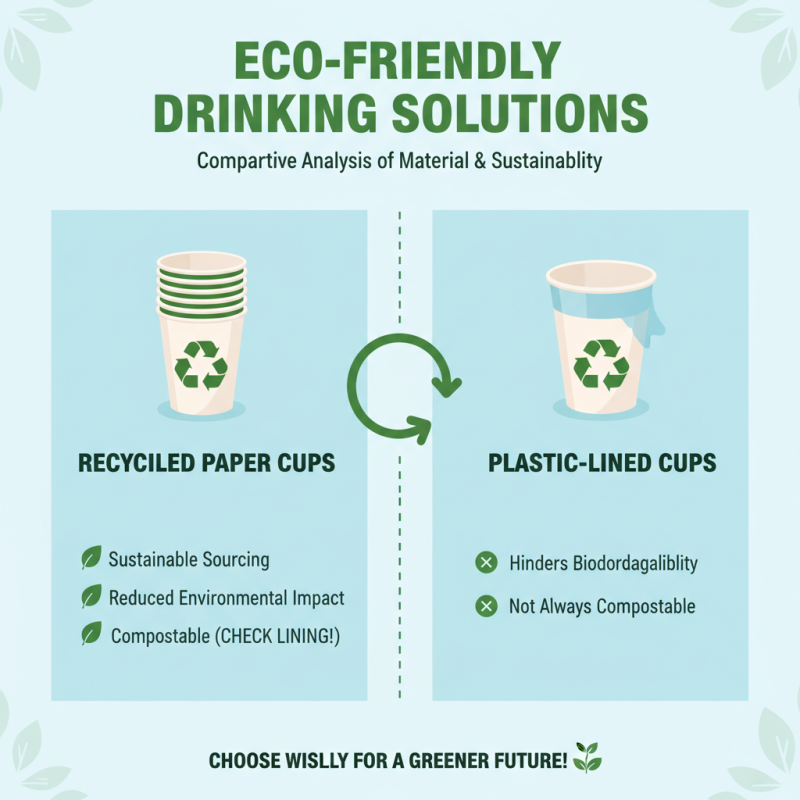
Choosing eco-friendly drinking solutions is crucial for our planet. Traditional paper cups often contain plastic linings. This makes them difficult to recycle. They contribute to landfill waste. In contrast, sustainable options help reduce our environmental footprint significantly.
Tips: Look for cups made from recycled materials. Check for certifications to ensure they’re truly eco-friendly. Sometimes, cheaper options may not deliver on sustainability.
Another important factor is the manufacturing process. Eco-friendly cups often use less energy and water. Some companies focus on biodegradable materials. This can help minimize pollution. However, be cautious. Not all "biodegradable" products decompose well in landfills. It’s essential to understand what makes a cup truly sustainable.
Tips: Always read product descriptions carefully. Ask questions if needed. Don’t assume all green products are the same. Each choice can impact the environment.
Criteria for Selecting the Best Eco-Friendly Paper Cups
When selecting the best eco-friendly paper cups, several criteria should be considered. Look for cups made from recycled materials. This helps reduce waste and supports sustainability. Certifications can also guide your choice. Ensure the cups are certified compostable or biodegradable. This indicates they can break down naturally after use.
The thickness of the cup matters too. Thicker cups may hold hot beverages better without leaking. Monitor the materials used for the lining, as some may contain plastics that are not environmentally friendly. Transparency in manufacturing practices often reflects a commitment to sustainability.
Tips: Check if the cups are available in various sizes. This versatility suits different beverages and occasions. Consider your drinking habits. Do you prefer cold or hot drinks? Certain cups perform better with specific temperatures. Select cups that integrate functionality and sustainability.
Top 10 Eco-Friendly Paper Cups Reviewed
When looking for eco-friendly drinking solutions, paper cups come to mind. These cups offer convenience while being less harmful to the environment. Many are made from recycled materials. They often use water-based coatings instead of plastic. This makes them easier to recycle. However, not all paper cups are created equal. Some still contain plastic linings. This can confuse recycling efforts and defeat their purpose.
The best eco-friendly paper cups should prioritize sustainability. Look for options that are certified compostable. These cups break down in commercial composting facilities. They return nutrients back into the soil, making them a better choice. Many brands are now producing cups that are durable and leak-resistant. They can hold hot and cold drinks, suitable for all occasions. Just remember, even with eco-friendly cups, waste reduction is key. Consider using reusable cups if possible.
While paper cups provide a better alternative, there are areas for improvement. Awareness is crucial. Educating users about proper disposal methods can increase recycling rates. Some locations lack the facilities to compost these cups. This gap can lead to environmental challenges. Ensuring the entire lifecycle of these products is eco-conscious remains a work in progress.
Tips for Proper Disposal and Recycling of Paper Cups
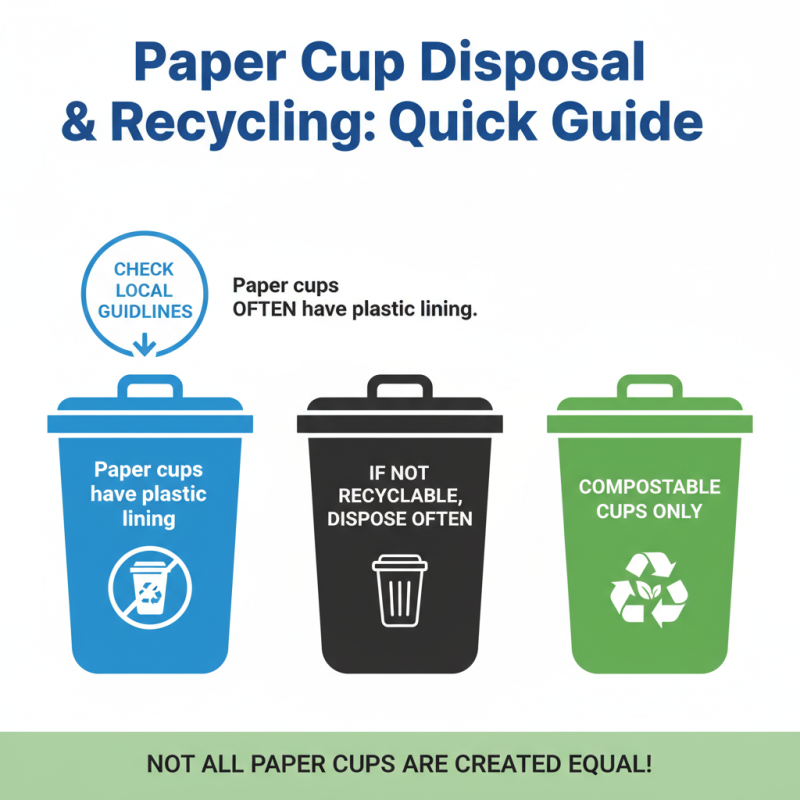
When using paper cups, disposal and recycling can be tricky. Many people assume all paper products are recyclable, but that’s not always the case. A large portion of paper cups are lined with plastic, making them not suitable for standard recycling methods. It's important to check local guidelines before tossing them in the recycling bin.
To properly dispose of paper cups, look for facilities that accept them. Some municipalities have advanced recycling streams, while others do not. If a cup has a plastic lining, it may end up in a landfill instead. Rinsing out any leftover liquids can also help with the recycling process. Remember, every little action counts. While you may feel discouraged by the state of waste management, being informed is a step in the right direction.
Consider bringing your own reusable cup when you can. This reduces the need for disposable options significantly. If you do use paper cups, try to find ones made from sustainably sourced materials. The choices you make matter. Reflect on your habits and their broader impact.