Best Printing Paper for Quality and Affordability?
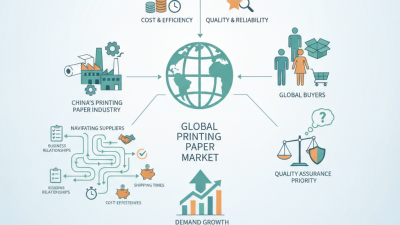
Choosing the best printing paper can significantly impact print quality and cost-effectiveness. According to a report by Smithers Pira, the global printing paper market is expected to grow to $210 billion by 2025. This highlights the critical role that paper quality plays in both professional and personal settings.
Expert Mark Thompson, a consultant in the printing industry, emphasizes the importance of selecting the right materials. He stated, "Quality printing paper enhances the overall visual impact of printed materials." This shows how essential it is for businesses to invest wisely in printing paper to ensure their communications are effective and visually appealing.
However, balancing quality with affordability can be challenging. Many may overlook the advantages of premium papers. The right choice can boost brand perception and communication effectiveness. As businesses assess their options, they should reflect on the long-term value of quality printing paper rather than just the upfront cost.
Understanding Printing Paper Types: A Guide to Quality and Affordability
When choosing printing paper, understanding different types is crucial for getting quality without breaking the bank. Research indicates that over 70% of office workers believe paper quality directly affects their work perception. The right paper can elevate a project, making it appear more professional and polished.
Different weights and finishes make each type unique. Standard paper weighs around 20 lb, while heavier options, like 32 lb, feel more substantial and can handle ink better. However, it's essential to balance quality with cost. A common misconception is that more expensive paper always yields better results. Evaluating your needs can lead to savings.
Tips:
1. Consider using multi-purpose paper for everyday tasks. It’s budget-friendly and acceptable for common printing.
2. Invest in specialty papers only for important projects. This ensures quality where it matters most.
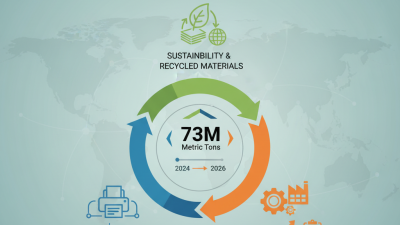
Many people overlook the importance of environmental impact. Recycled paper can reduce waste and often costs less. Reports show that brands using recycled paper see an average cost reduction of 15% in the long run. A simple switch can save money and benefit the planet, though consistency in quality can be a concern with recycled options.
Best Printing Paper for Quality and Affordability
Factors to Consider When Choosing Printing Paper for Your Needs
Choosing the right printing paper involves several important factors. One key aspect is the paper weight. Heavier paper usually feels more professional, while lighter paper can save costs.
Consider the purpose of your print job. Business documents may require sturdier paper compared to casual flyers.
Another factor is the paper finish. Glossy paper enhances color vibrancy, making it ideal for images. In contrast, matte paper gives a more subdued look, suitable for text-heavy documents.
Keep in mind your printer's specifications. Not all printers handle every type of paper. Test a few options before committing to a bulk purchase. Evaluate how the paper interacts with your printer. Some papers may cause jams or smudges, leading to wasted time and resources. Your expectations should align with the physical attributes of the paper chosen.
Comparing Cost vs. Quality: Finding the Best Value in Printing Paper
When choosing printing paper, cost and quality often clash. You want a paper that prints clearly without breaking the bank. Some low-cost options might not offer the sharpness or brightness needed for professional projects. Think about what you need: vibrant colors or clear text.
Budget papers can work for everyday tasks. However, they may show smudges or bleed during use. A slightly higher investment in quality paper can make a significant difference. It may provide a sharper contrast and better durability. The right paper enhances your printed materials, making them stand out.
Consider your printing frequency. If you print frequently, buying in bulk can save money in the long run. Consider samples before committing to a large purchase. This way, you can assess the feel and print quality. Finding the right balance requires some trial and error. Experimenting can lead you to the most cost-effective solution for your specific needs.
Top Recommendations for Affordable yet High-Quality Printing Paper
Choosing the right printing paper can be challenging. You want quality without breaking the bank. Here are some tips to help you find the best options.
When selecting printing paper, consider weight and texture. A heavier paper often feels more professional. Textured paper can add a unique touch to any print job. However, some may find that thicker paper jams easier in printers. It might be worth testing a few types to see what works best for your setup.
Look for papers that offer good color reproduction. A smooth finish usually enhances vibrancy. Yet, certain glossy papers can be pricey, and their results vary with ink types. Keep an eye out for weight. Standard choices often range from 20 to 28 pounds. This range provides a balance between cost and quality. Remember, your needs may differ based on the project. Always assess your requirements before making a final choice.
Tips for Testing and Selecting the Right Printing Paper for Projects
Choosing the right printing paper is crucial for achieving high-quality results at an affordable price. A study by Smithers Pira states that paper quality significantly impacts print clarity and ink absorption. This means the type of paper you select can influence the overall appearance of your project.
When testing printing paper, consider these tips for effective evaluation. First, assess the weight of the paper. Heavier papers often provide better quality, but they can be more expensive. Look for options within the
80-120 gsm range for a balance of quality and cost. Secondly, conduct a print test. Use your printer to assess ink spread and color fidelity. Make note of how the paper reacts to different inks and printers.
Don’t forget to check the finish. Glossy papers can enhance color vibrancy but may cause glare. Matte options often yield softer results. Additionally, consider the environmental impact. Some
eco-friendly papers perform well but might be pricier. Balancing quality, affordability, and sustainability requires careful consideration.
Explore various options to find what best suits your specific needs.