2026 Best Roll Paper Options for Every Need and Preference?
Roll paper is essential in many industries. From packaging to crafts, its use is vast and varied. As preferences evolve, the demand for different types of roll paper is growing.
In 2026, choosing the right roll paper can seem overwhelming. With myriad options available, it's crucial to understand what fits your needs best. Factors like texture, durability, and application matter. Not every roll paper is the same. Some may tear easily, while others may not assist in printing correctly.
Selecting the ideal roll paper requires research and reflection. It’s not just about aesthetics; it's also about functionality. Users are often unsure. This article aims to guide readers through the best options available in 2026, highlighting the importance of making informed choices. Consider this your friendly nudge to explore the world of roll paper further.
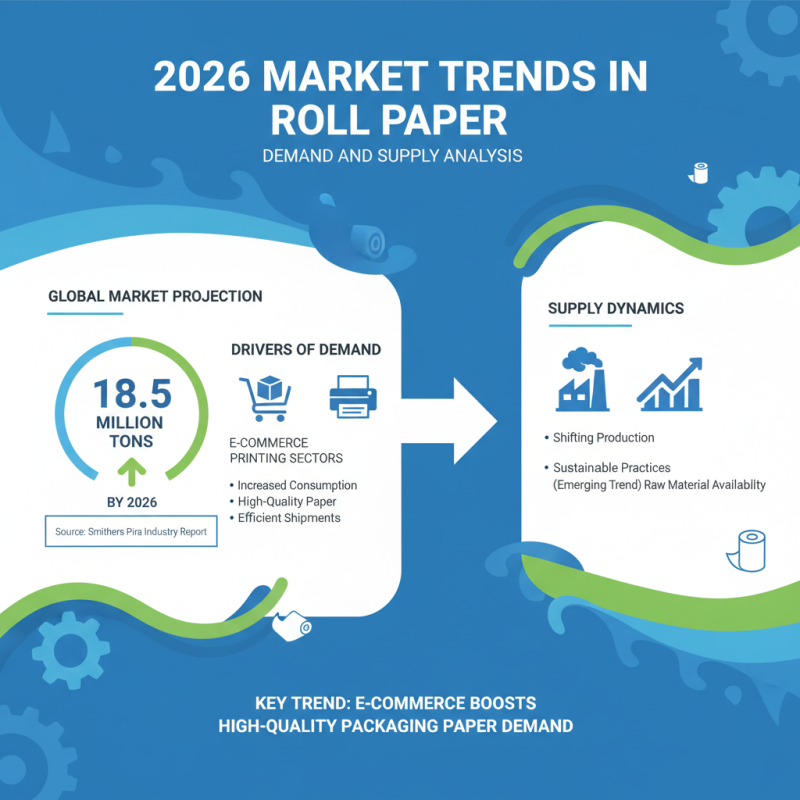
2026 Market Trends in Roll Paper: Demand and Supply Analysis
The roll paper market is witnessing significant shifts in demand and supply dynamics. According to a recent industry report by Smithers Pira, the global roll paper market is projected to reach 18.5 million tons by 2026, driven by increased consumption in sectors like packaging and printing. Factors such as e-commerce expansion are boosting demand for high-quality roll paper, essential for packaging shipments efficiently.
On the supply side, challenges persist. Raw material costs have risen due to supply chain disruptions, which affects pricing stability. The fluctuating availability of sustainable pulp sources adds pressure as industries strive to meet eco-friendly standards. Companies are exploring alternative materials and methods, yet many face setbacks in balancing quality and cost-effectiveness. A detailed analysis reveals that 42% of manufacturers believe these supply constraints may limit growth opportunities over the coming years.
Challenges are also evident in meeting consumer preferences. With the rise of digital media, many traditional paper products are declining in use. Yet, industries like culinary and medical are increasingly relying on roll paper for hygiene and safety. This trend creates a juxtaposition between declining paper products and rising specialty paper needs. Companies must adapt swiftly, understanding that innovation in both quality and sustainability will be crucial to meeting diverse consumer demands.
Top Roll Paper Materials: A Comparison of Quality and Endurance
Choosing the right roll paper material is essential for various applications. Quality and endurance are key factors that can influence performance. Research indicates that the global market for roll paper is projected to reach $40 billion by 2026. This growth highlights the demand for durable materials that meet diverse user needs.
Different roll paper types offer unique characteristics.
For example, virgin fiber paper is known for its strength. It can withstand heavy use without tearing. In contrast, recycled paper is eco-friendly but may have lower durability. According to industry reports, 70% of consumers prioritize sustainability when selecting paper products. This preference shapes market trends and encourages manufacturers to enhance quality.
Another critical point is the impact of texture and finish. Smooth finishes are ideal for printing, providing a clean look. Textured options can enhance tactile experiences but may limit certain applications. Users often overlook these details, leading to dissatisfaction. Balancing quality and cost remains a challenge in this competitive industry. Understanding specific requirements is essential for making informed choices.
Eco-Friendly Roll Papers: Sustainable Options for Environmentally Conscious Buyers
In recent years, eco-friendly roll papers have become increasingly popular among consumers who prioritize sustainability. A 2021 study by the Paper and Paperboard Packaging Environmental Council found that 75% of consumers prefer products made from recycled materials. This shift highlights the demand for environmentally conscious options in various markets.
Sustainable roll papers often use materials like bamboo, hemp, or recycled pulp. Bamboo, for instance, grows rapidly and needs less water compared to traditional trees. Additionally, companies that utilize recycled materials can significantly reduce deforestation. Yet, challenges remain. Some eco-friendly papers may lack the strength of their conventional counterparts, leading some buyers to question their durability.
Moreover, certification matters. Look for labels such as FSC or SFI, assuring sustainable sourcing. Yet, not all products meet stringent eco-standards. It requires diligence to identify truly sustainable options. Consumers should remain informed and discerning, particularly when it comes to balancing performance with environmental impact. Continuous education on these products leads to better choices in the marketplace.
Specialized Roll Papers for Professional Use: Industry Standards and Specifications
In professional settings, roll paper standards are crucial. Industries rely on specific specifications for quality and functionality. Recent reports indicate that about 70% of professionals prioritize durability in roll paper. This includes factors like tensile strength and resistance to fading. Proper roll paper ensures clear and precise outputs. It's essential for sectors like engineering and architecture.
Many professionals face challenges with paper compatibility in printers. A study shows that incorrect paper choice can lead to up to 30% waste in materials. This not only affects budgets but also productivity. Frustration arises when companies invest in high-quality printers but use subpar paper. Understanding the technical aspects of roll paper can significantly improve results.
Discussions about size and texture are also vital. Certain applications require specific thickness and finish. For instance, a matte finish may work better for detailed blueprints. Professionals often overlook this detail, leading to suboptimal results. Continuous learning about roll papers can help professionals make informed choices. The right paper can transform a project’s presentation quality.
2026 Best Roll Paper Options for Every Need and Preference
| Type |
Purpose |
Width (inches) |
Length (feet) |
Weight (lbs) |
Paper Type |
Recyclable |
| Thermal Paper |
Point of Sale Receipts |
3 |
150 |
1.5 |
Coated |
Yes |
| Printing Paper |
High-Quality Prints |
24 |
100 |
2.0 |
Glossy |
Yes |
| Newsprint |
Newspapers |
30 |
150 |
3.0 |
Uncoated |
Yes |
| Craft Paper |
Arts and Crafts |
12 |
100 |
1.0 |
Kraft |
Yes |
| Label Paper |
Product Labels |
8.5 |
200 |
0.5 |
Self-Adhesive |
No |
Cost Efficiency in Roll Paper Selection: Budget-Friendly Choices for Every Need
When selecting roll paper, cost efficiency plays a crucial role. According to the Paper and Packaging Board, businesses often lose 20% of potential profits due to poor material choices. Keeping budgets in check is essential, especially for small to mid-sized companies. Affordable options exist, offering decent quality at lower prices.
The National Paper Trade Association reports that the average cost of roll paper can range significantly. Yet, many affordable varieties do not compromise performance, making them suitable for various applications. A strategic choice can lead to better savings without sacrificing quality. However, lower-cost papers can sometimes result in more waste or less durability.
One must also consider the end-use of the paper. For instance, packaging versus printing requires different qualities. Studies indicate that 65% of users prioritize performance over price. It's vital to evaluate each option to avoid making hasty decisions that could lead to higher long-term costs. Balancing budget constraints with functional needs necessitates careful consideration.
2026 Best Roll Paper Options: Cost Efficiency Comparison