China Top Paper Cup Suppliers for Global Buyers Ready to Order?
The global demand for sustainable food packaging is on the rise. Among these solutions, paper cups stand out for their eco-friendliness. According to a market report by Smith & Company, the paper cup market is projected to grow at a CAGR of 3.6% from 2021 to 2027. This growth highlights a significant shift in consumer preferences towards greener options.
"Companies must prioritize the use of renewable materials," states Dr. Emily Liang, a leading expert in the Paper Cup Paper industry. Her insights underline the necessity for suppliers to adapt to changing market needs. Sustainable practices in sourcing paper cup materials are vital for remaining competitive.
Despite advancements, there are challenges in ensuring quality and sustainability. Not all suppliers meet the same environmental standards. As global buyers evaluate options, the importance of transparency raises critical questions about sourcing practices. Engaging with trusted suppliers from China can lead to better quality control and ethical sourcing. Exploring this market requires diligence and a commitment to responsible purchasing.
Overview of the Global Paper Cup Market and China's Role
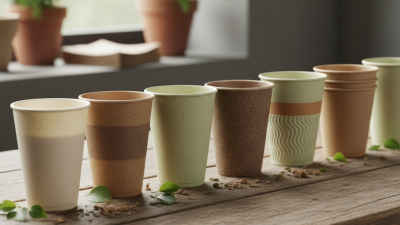
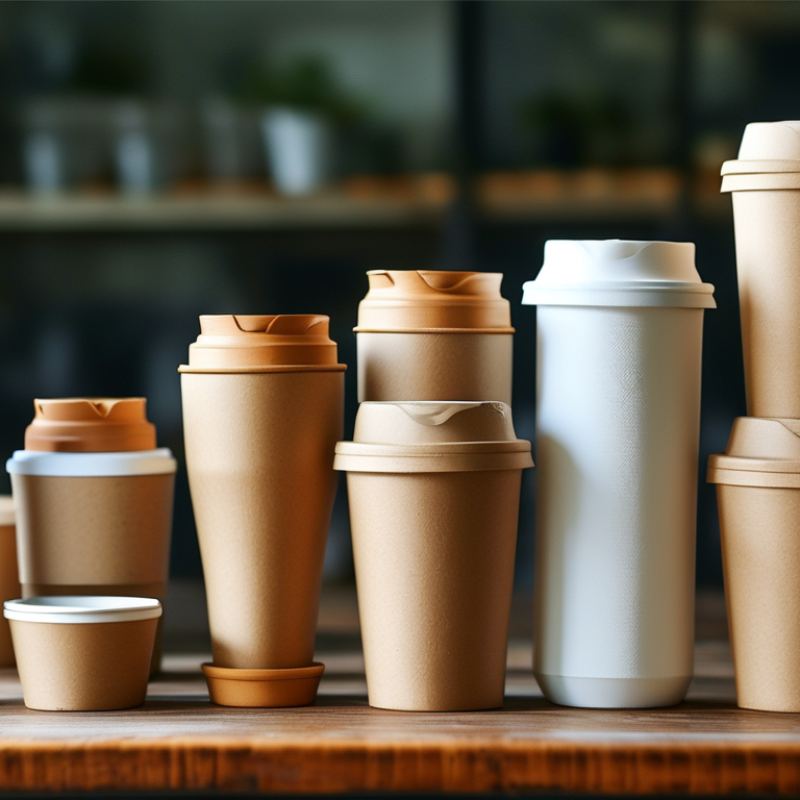
The global paper cup market is rapidly evolving. Many businesses seek eco-friendly options to meet consumer demand. Paper cups are favored over plastic due to their biodegradable nature. This trend is reflected in an increase in global consumption, with a notable surge in demand from the food and beverage sector.
China plays a crucial role in this market. As a leading manufacturer, the country supplies a significant portion of the world’s paper cups. Its efficient production capabilities help meet large orders from diverse regions. However, challenges exist. Quality control and sustainability practices remain areas of concern. Not all suppliers adhere to the same standards. Buyers must conduct their research to ensure they partner with reliable manufacturers.
Moreover, the competitive landscape often leads to price wars. This can affect product quality. Some suppliers may cut corners to reduce costs. Addressing these issues requires careful vetting of potential partners. Focusing on suppliers that prioritize quality and sustainable practices is key for long-term success in the paper cup industry.
Top Paper Cup Manufacturers in China: Who Are They?
China has become a significant player in the global paper cup industry. Recent market analysis indicates that the global paper cup market was valued at over $4 billion in 2022 and is projected to grow by 5% annually. Chinese manufacturers are at the forefront of this growth, supplying a large portion of the world's demand. They combine cost-effective production with advanced technologies, allowing them to produce high-quality products.
Key manufacturers in China are known for their expertise in sustainable practices. The industry has seen a shift toward compostable and recyclable materials in recent years. Studies reveal that consumers are increasingly favoring eco-friendly options. Yet, challenges persist in sourcing raw materials and fulfilling environmental regulations. Not all producers meet these standards, raising questions about reliability and sustainability.
Innovation is another theme within this sector. Many manufacturers are investing in automation and efficient production methods. While this has improved output, it has also created a skills gap. Some companies struggle to find skilled labor capable of operating new technologies. This gap could impact long-term growth and competitiveness in the market. Thus, buyers must navigate these issues carefully when selecting suppliers in China.
Top Paper Cup Suppliers Market Share
This chart illustrates the market share of various types of paper cups supplied by manufacturers in China. The data reflects the popularity and demand for different sizes and styles of paper cups among global buyers.
Key Features and Innovations in Chinese Paper Cups
Chinese paper cups have made significant strides in recent years, driven by innovations and sustainable practices. A report from Smithers Pira noted that the global market for paper cups is projected to grow at a CAGR of 5.4%, reaching 500 billion units by 2027. This growth is largely due to the rising consumer preference for eco-friendly products. Chinese manufacturers are at the forefront of this shift, introducing environmentally safe materials and biodegradable options.
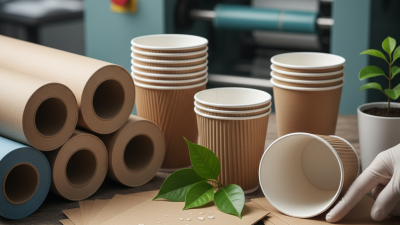
One key feature of modern Chinese paper cups is their superior insulation. Advanced technology allows for double-wall constructions, enhancing heat retention while minimizing the risk of burns. Additionally, many suppliers are incorporating water-based, food-safe coatings that replace traditional plastics, further aligning with sustainability goals. According to industry experts, over 70% of paper cups produced in China now meet international environmental standards, showcasing the commitment to responsible manufacturing.
Despite these advancements, challenges remain. The recycling infrastructure in many regions is still inadequate. A report from the Environmental Paper Network highlights that around 30% of paper cups end up in landfills. This underscores the need for ongoing improvements in waste management. Moreover, manufacturers must continuously innovate to stay ahead of regulatory changes and consumer expectations regarding sustainability. The future of the paper cup industry in China is bright, but it requires a collective effort to tackle these persistent issues.
China Top Paper Cup Suppliers for Global Buyers Ready to Order? - Key Features and Innovations in Chinese Paper Cups
| Supplier Type |
Monthly Production Capacity |
Materials Used |
Customization Options |
Innovative Features |
| Manufacturer |
5 million cups |
Plant-based PLA, Recycled Paper |
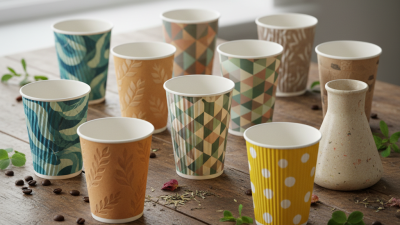
Logo printing, Size variations |
Biodegradable, Heat insulation |
| Wholesaler |
3 million cups |
Food-grade Paper, PE coating |
Custom colors, Designs |
Triple-layer strength, Leak-proof |
| Exporter |
2 million cups |
Recyclable Paper, Sourcing from sustainable forests |
Personalized packaging |
Thermal cup, Custom shapes |
| Supplier |
1 million cups |
Brown Kraft Paper, Bioplastic lining |
Eco-friendly options |
Custom branding and prints |
Sourcing Paper Cups from China: What Buyers Need to Know
Sourcing paper cups from China can be a rewarding yet complex process. Buyers should begin by understanding the types of paper cups available in the market. Options range from standard cups to eco-friendly varieties. Knowing the specifications needed for your business is crucial. This includes size, design, and material quality.
Working with reputable suppliers is key. A strong supplier should provide clear communication and reliable delivery schedules. However, it's essential to verify the credibility of potential partners. Request samples before making large orders. This allows you to assess the quality firsthand. Feedback from previous customers can provide insights into supplier reliability.
While many suppliers may offer competitive pricing, not all will meet quality expectations. Some buyers have reported issues with durability and printing quality. It prompts a need for thorough research. Consider joining industry forums or groups focused on packaging. Engaging with other buyers can reveal valuable tips and insights. Don't rush the sourcing process; taking time to evaluate options is vital for long-term success.
Quality Standards and Certifications for Paper Cups Made in China
When considering paper cup suppliers in China, quality standards play a crucial role. Many manufacturers prioritize certifications to ensure their products meet international expectations. Common standards include ISO 9001 and BRC certifications. These reflect robust management systems and product safety. Compliance with these standards helps build trust among global buyers.
However, not every supplier may hold these certifications. This inconsistency can raise concerns about quality. Buyers must conduct thorough research before placing orders. Checking for certifications and reviewing factory audits can provide clarity. Engaging with suppliers who openly share quality test results fosters better transparency.
It's essential to remember that quality doesn't only depend on certifications. Other factors also come into play, including sourcing materials and production processes. Sometimes, cheaper products may pass initial inspections yet fail in practical use. Therefore, understanding these intricacies can lead to more informed decisions and better product experiences. Invest time in evaluating what lies behind the certifications to ensure reliability.