Why Choose Kraft Paper for Sustainable Packaging Solutions?
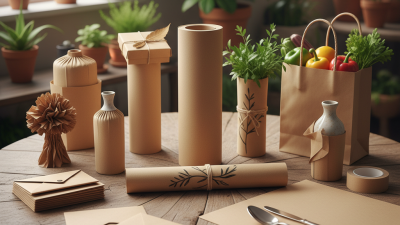
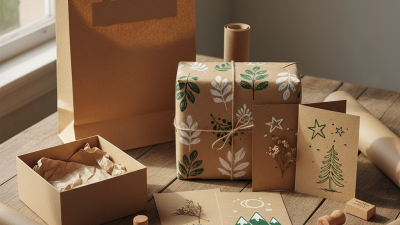
Kraft paper has emerged as a popular choice for sustainable packaging solutions. Its eco-friendly nature appeals to both businesses and consumers. Made from wood pulp, Kraft paper is biodegradable and recyclable. This feature reduces landfill waste and promotes a circular economy.
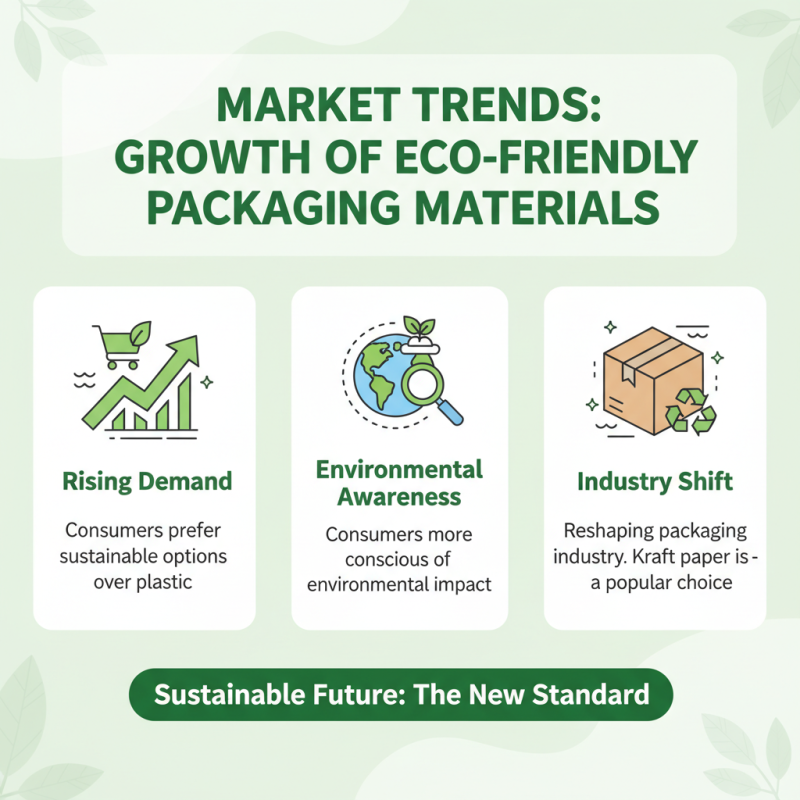
Many companies strive to adopt greener practices. However, they often overlook the type of materials they use. Kraft paper, with its strong durability, serves various packaging needs, from boxes to bags. It stands out in the market for its versatility and strength. Consumers appreciate products that contribute to environmental sustainability. Kraft paper packaging enhances brand perception.
Yet, challenges remain. Some may argue that Kraft paper lacks the sleek appearance of plastic or certain synthetic materials. There is also a need to ensure that sourcing practices are responsible. This reflection is important for genuinely prioritizing sustainability. Despite these concerns, the benefits of Kraft paper in reducing ecological impacts are undeniable. Choosing Kraft paper can lead the way toward more sustainable packaging solutions.
Benefits of Kraft Paper in Sustainable Packaging Solutions
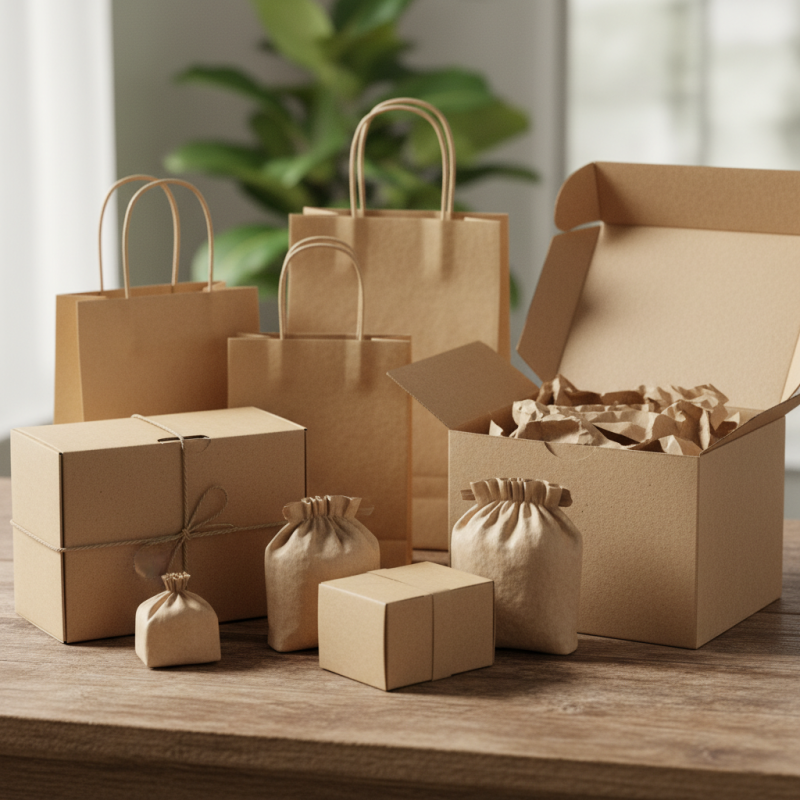
Kraft paper is a popular choice for sustainable packaging solutions. Its natural brown color comes from unbleached wood pulp, making it biodegradable and recyclable. This reduces landfill waste and promotes a circular economy. Many businesses appreciate its strength and versatility. It can hold heavy items without tearing easily.
Using kraft paper has its challenges. Certain products may leak or spill due to the paper's absorbency. In these cases, a plastic lining might be required, which can undermine sustainability. Consumers are becoming more aware of these issues, pushing brands to find better solutions.
Kraft paper also supports local economies. Many mills source materials from nearby forests. However, sourcing practices vary widely, and some companies still rely on unsustainable methods. Transparency in the supply chain is crucial. This awareness shapes how we think about packaging and its true impact on the environment.
Recyclability and Compostability of Kraft Paper Explained
Kraft paper stands out in sustainable packaging due to its eco-friendly properties. It is widely recyclable, making it a popular choice among companies committed to reducing waste. According to recent industry reports, over 80% of paper products are recycled in the United States. This high recyclability rate helps in conserving resources and reduces pollution.
Compostability is another critical aspect. Kraft paper can break down in compost systems, adding nutrients back to the soil. Research shows that compostable materials can divert about 30% of organic waste from landfills. However, not all kraft paper is created equal. Some types feature coatings that hinder composting. This aspect urges consumers and manufacturers to verify product specifications.
While many appreciate the benefits of kraft paper, challenges remain. The production process still consumes energy and water. It's important to explore sourcing practices that prioritize sustainability. Effective policies are needed to enhance the life cycle of kraft paper products. Overall, while kraft paper encourages a greener approach, it requires careful consideration throughout its use.
Comparative Analysis: Kraft Paper vs. Plastic Packaging
Kraft paper stands out as a promising alternative to plastic packaging. It’s made from natural fibers, making it biodegradable and compostable. Over 70% of consumers prefer eco-friendly options, according to recent surveys. This preference drives the demand for sustainable packaging solutions.
In contrast, plastic takes hundreds of years to decompose. The World Economic Forum states that only 9% of plastic is recycled. This stark reality highlights the environmental burden of plastic. Kraft paper, on the other hand, can be recycled up to seven times. This offers a more sustainable lifecycle, which is crucial as environmental concerns continue to rise.
Tips: Choose kraft paper for products that require light protection. For items needing more durability, consider a reinforced kraft type. Always check your local recycling guidelines, as not all kraft paper is recyclable in every area. Balancing between protection and sustainability can be challenging. But every small effort matters in the long run.
Industry Statistics on Kraft Paper Usage and Environmental Impact
Kraft paper has become a popular choice for sustainable packaging. Recent industry statistics highlight its growing usage. In 2022, the global demand for kraft paper reached over 30 million tons. This number is expected to rise by 4% annually, reflecting its appeal in eco-friendly packaging solutions.
The environmental impact of kraft paper is significant. It is often made from renewable resources and is biodegradable. Studies show that kraft paper production generates 50% less carbon dioxide than plastic alternatives. Moreover, nearly 80% of kraft paper can be recycled. This means less waste in landfills and lower destruction of natural habitats.
Tips: When selecting packaging, consider eco-friendly materials like kraft paper. Ensure that the kraft paper is sourced from certified sustainable forests. This small choice can lead to big changes in your business's environmental footprint. Reflect on the balance between usage and waste, aiming for efficiency in packaging design.
Environmental Impact of Kraft Paper vs. Plastic for Packaging
Kraft paper is a more sustainable option compared to plastic, resulting in lower CO2 emissions and reduced energy consumption during production. The bar chart above illustrates the environmental impact of kraft paper versus plastic packaging solutions.