How to Choose the Best Paper For Cup Making?
When it comes to choosing the best paper for cup making, one must consider various factors. The market for paper cups is projected to grow significantly. According to a 2022 industry report, the global paper cup market is expected to reach $9 billion by 2027. This growth reflects the increasing demand for eco-friendly packaging solutions.
Paper for cup production needs to be sturdy yet lightweight. The right paper type ensures insulation, which is crucial for hot beverages. Companies often face challenges in selecting materials that balance durability with sustainability. The choice of paper impacts overall customer experience and environmental footprint. Reports show that over 60% of consumers prefer brands using recyclable materials.
While there are many options available, not all papers perform equally. Some may not withstand high temperatures or moisture, leading to leaks. It can be disheartening when paper cups fail to meet consumer expectations. Therefore, a thoughtful selection process is essential. Companies must reflect on their choices to find the most suitable options for their products.
Understanding Different Types of Paper Suitable for Cup Making
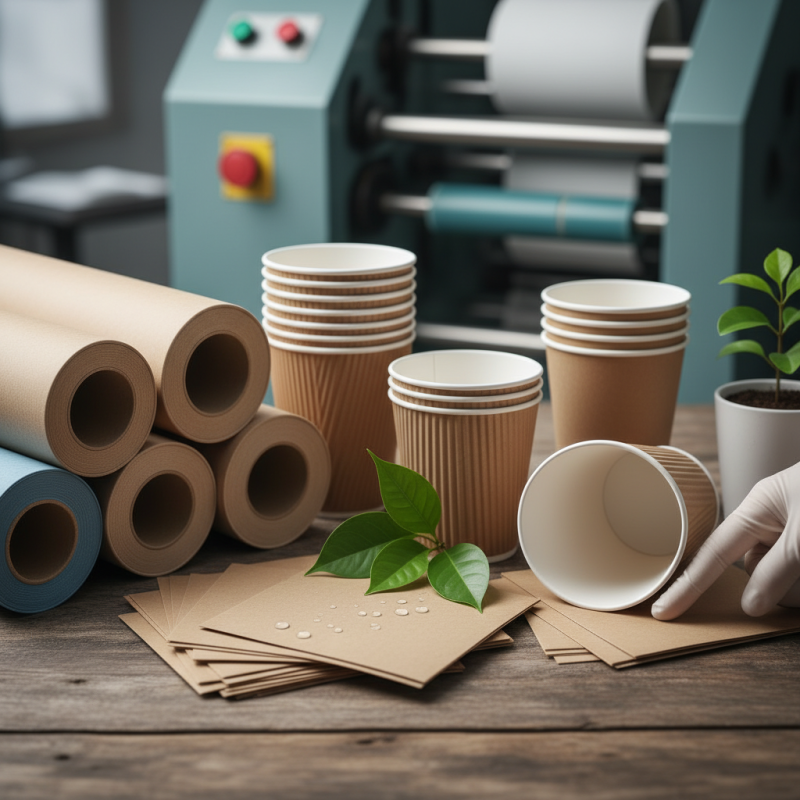
When choosing paper for cup making, various types come into play. Cardstock is a popular option. It provides strength and durability. Its thickness can hold liquids well, making it a good candidate for hot beverages. Additionally, it’s often biodegradable. Yet, not all cardstock is created equal. Some may lack water resistance, leading to leaks. Testing is crucial.
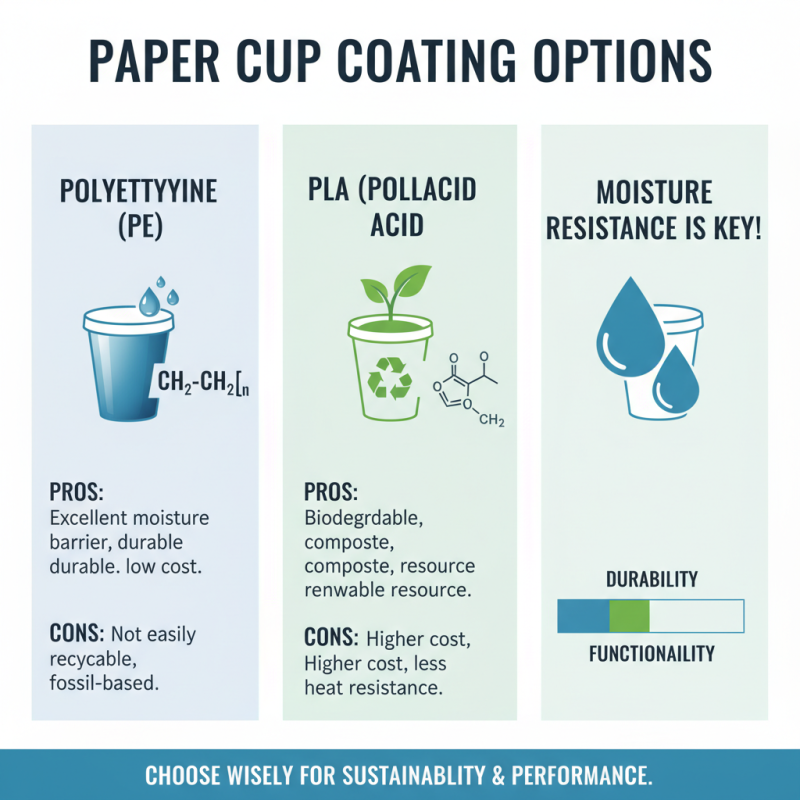
Another option is coated paper. Coatings can enhance its moisture barrier. This prevents the cup from getting soggy quickly. However, not all coatings are eco-friendly. A balance between performance and sustainability should be sought. Sometimes, the coating can make recycling difficult. It’s wise to verify its environmental impact.
Recycled paper can be a sustainable choice too. It often brings unique textures and colors to cups. Yet, the quality can vary greatly. Some recycled papers may not hold up as well as virgin paper options. It's essential to consider the source and processing of recycled materials. Finding the right paper is an ongoing journey, with many factors to weigh.
Comparison of Paper Types for Cup Making
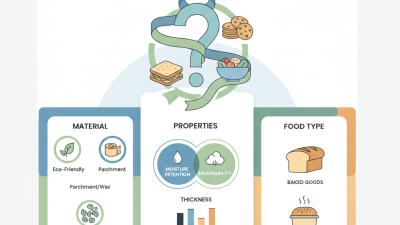
This chart illustrates the suitability of different types of paper used in cup making based on their weight and usability.
Assessing Strength and Durability Requirements for Cup Paper
When selecting paper for cup making, strength and durability are crucial. The paper must withstand various conditions. Consider how cups will be used. Hot beverages exert more pressure, leading to potential leaks. Cold drinks also require sturdy material to avoid bending or crushing.
Evaluate the paper's weight, thickness, and composition. Generally, heavier paper offers more strength. However, the thickness shouldn't compromise print quality or folding abilities. It’s an art to balance these factors. Some manufacturers may skimp on quality to cut costs, leading to subpar results.
Look for options that resist moisture and heat. A cup that fails under heat can ruin the customer experience. However, not all durable papers are eco-friendly. This is a dilemma many face. Striking a balance between durability and sustainability is challenging. Reflect on your choices and their long-term impact on the environment.
Considering Environmental Impact and Sustainability of Cup Materials
When choosing paper for cup making, sustainability is vital. The environmental impact of materials should not be overlooked. Many options are available, but some cause significant harm. For instance, traditional paper often relies on non-sustainable forest sources. This contributes to deforestation and loss of biodiversity.
Additionally, biodegradable paper options exist. These materials break down more easily, reducing waste. However, they still require careful sourcing. Not all biodegradable papers are created equal. Some contain harmful chemicals during production, which counteracts their benefits. Researching the entire lifecycle of materials can be challenging but necessary.
A local versus global perspective is essential. Sourcing materials closer to home can significantly reduce carbon footprints. Yet, local supply might not always provide the best environmental choice. Quality and certification of paper are also key. Look for third-party certifications that confirm sustainable practices. Balancing all these aspects can be complex. Ultimately, the aim should be to minimize environmental damage while meeting practical needs.
Testing and Quality Control Measures for Paper Used in Cup Production
When selecting paper for cup making, testing and quality control are crucial. Start by evaluating the paper’s thickness and strength. This ensures that cups can hold liquids without leaking. Conduct tests for absorbency, as this affects how well the cup retains its shape when filled. For instance, a sheet that absorbs too much moisture may result in a soggy cup, which customers may find unappealing.
Another important factor is the paper's compatibility with printing. If custom designs are important, the quality of print on the paper must be assessed. Poor print quality can tarnish a brand’s image. Regular quality checks during production can catch issues early. Documenting these tests helps track any inconsistencies.
Testing should also address environmental factors. Assess how the paper behaves under various temperatures and humidity levels. Sometimes, papers that work well in some conditions fail in others. This variability can lead to unexpected outcomes during cup production. The process often shows room for improvement, prompting re-evaluation of testing protocols. Maintaining high standards is key, but no system is perfect. Continuous reflection and adjustment are necessary for success.
How to Choose the Best Paper For Cup Making? - Testing and Quality Control Measures for Paper Used in Cup Production
| Paper Type |
Basis Weight (g/m²) |
Thickness (mm) |
Moisture Content (%) |
Tensile Strength (N/m) |
Tear Resistance (N) |
Food Safety Compliance |
| Single Wall |
180 |
0.25 |
7.0 |
40 |
15 |
Yes |
| Double Wall |
220 |
0.35 |
6.5 |
50 |
20 |
Yes |
| Kraft Paper |
150 |
0.20 |
8.0 |
30 |
10 |
Yes |
| Recycled Paper |
160 |
0.22 |
6.8 |
35 |
12 |
Yes |