How to Choose the Best Paper for Cup Manufacturing in 2025
In the evolving landscape of food packaging, choosing the right "Paper For Cup" is crucial. John Smith, a renowned expert in the paper industry, emphasizes, “The choice of paper can make or break a cup's performance.” As sustainability becomes a priority in 2025, businesses must consider eco-friendly options without compromising quality. The paper must withstand liquids while maintaining its shape.
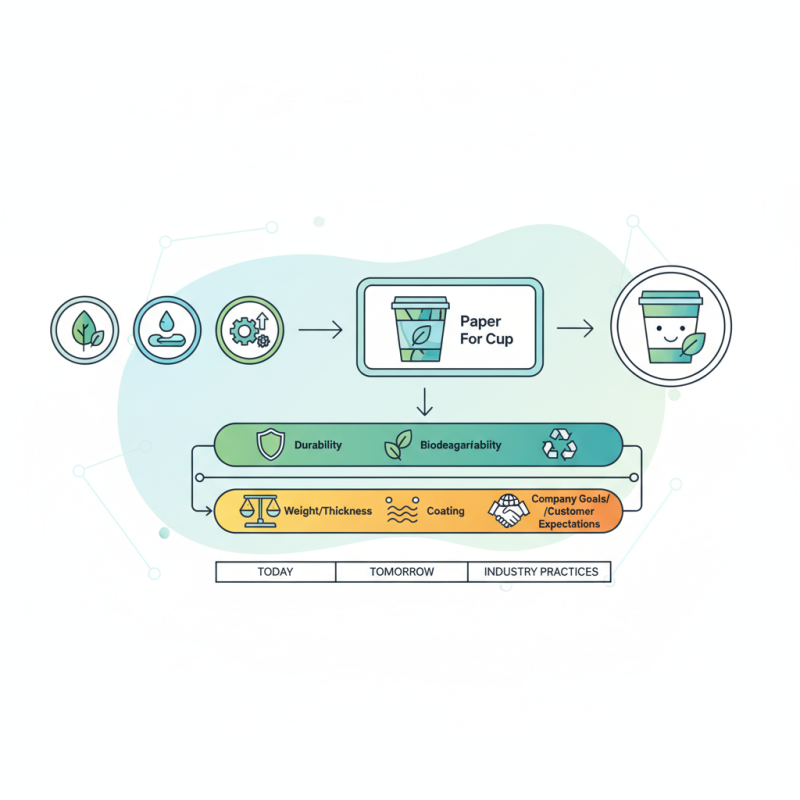
Manufacturers face challenges in sourcing materials that meet both functional and environmental standards. The right "Paper For Cup" combines durability with biodegradability. A mismatch could lead to leaks or structural failure during use. This not only impacts customer satisfaction but also affects brand reputation.
Navigating the paper selection process requires careful thought. Many businesses overlook the significance of weight, thickness, and coating. It is vital to reflect on company goals and customer expectations. Each paper choice should align with broader sustainability efforts. The decisions made today will shape industry practices tomorrow.
Factors to Consider in Paper Selection for Cup Manufacturing
Choosing the right paper for cup manufacturing involves several critical factors.
The thickness of the paper is essential.
Thicker paper can provide better insulation for hot beverages. This is especially important for cups that will hold coffee or tea. However, thicker paper can increase costs. Finding a balance is key.
Next, the paper's strength cannot be overlooked.
Cups need to hold liquids without leaking.
Using a material with good tensile strength is vital. Many manufacturers favor materials like duplex board.
However, this can complicate recycling processes.
It's important to assess how different types influence both functionality and environmental impact.
Sustainability is a growing consideration.
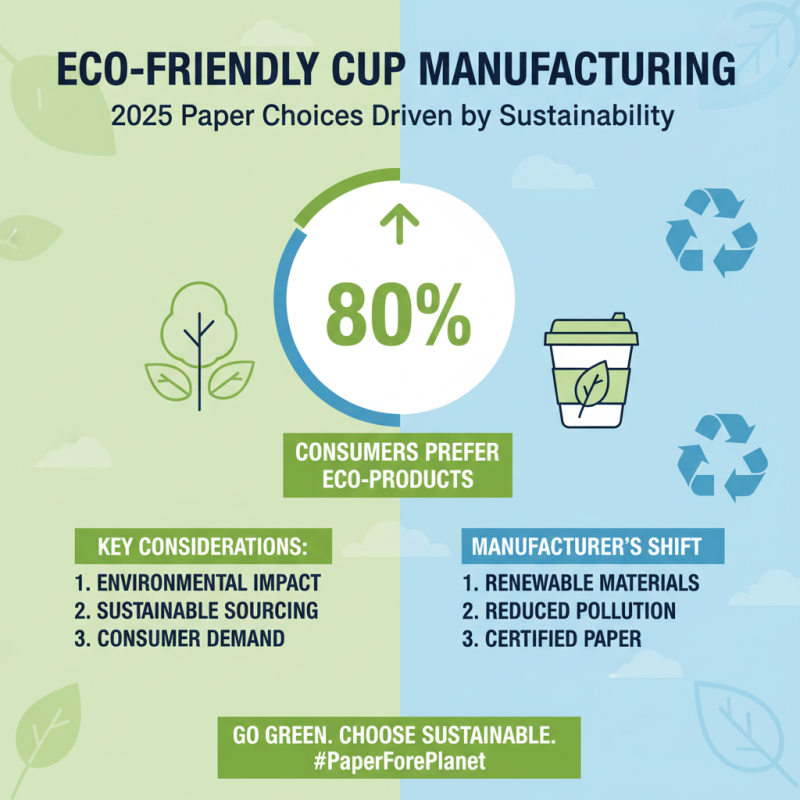
More consumers seek eco-friendly packaging options. Paper sourced from sustainable forests can attract customers.
Selecting biodegradable paper can ensure cups break down naturally.
However, these options can sometimes compromise durability or increase costs.
Reflecting on these trade-offs is crucial for any manufacturer looking to make informed choices in this evolving market.
Types of Paper Suitable for Cup Production in 2025
When choosing paper for cup manufacturing in 2025, several types stand out. Kraft paper is popular for its strength and recyclability. It’s widely used in the production of disposable cups. A recent industry report shows that the global demand for recycled paper will grow by 4.5% annually. This reflects a shift towards sustainable solutions in packaging.
Another great option is coated paper. This type is ideal for cups with printing. It provides a glossy finish that enhances brand visibility. Many manufacturers are turning to this for its barrier properties against moisture and grease. However, it’s essential to balance aesthetics with functional performance. Some coated papers may not hold up as well in high-temperature applications.
Tips: Always assess the environmental impact of your chosen paper. Look for certifications like FSC. They ensure sustainable sourcing. Additionally, consider the end-of-life scenario for the cups. While many papers are recyclable, contamination can lead to higher rates of waste. Strive for solutions that align with both quality and eco-friendliness.
Types of Paper Suitable for Cup Production in 2025
Cost Analysis and Budgeting for Paper Selection
When selecting paper for cup manufacturing, cost analysis is crucial. Understand the price per ton of paper. This will affect your overall budget significantly. Look for suppliers who offer competitive pricing. Compare quotes, but don’t overlook quality. Sometimes, the cheapest option can lead to higher costs later on due to defects.
Consider the full cost, including shipping and handling. Hidden fees can bite into your budget. Track total expenses for transparency. It’s wise to factor in the environmental impact too. Sustainable paper may have a higher upfront cost but could reduce waste management expenses over time.
Reflecting on past purchases can guide your future choices. Analyze what worked and what didn’t. Were there unexpected costs? Did the paper perform as expected? Documenting these details will help in making informed decisions. Ask for feedback from your production team. Their insights can reveal practical issues that numbers might miss.
How to Choose the Best Paper for Cup Manufacturing in 2025 - Cost Analysis and Budgeting for Paper Selection
| Paper Type |
Weight (g/m²) |
Cost per Ton ($) |
Strength (kN/m) |
Eco-Friendly Rating (0-5) |
Availability (Months) |
| Kraft Paper |
180 |
800 |
5.0 |
4 |
2 |
| Recycled Paper |
160 |
750 |
4.5 |
5 |
3 |
| Coated Paper |
200 |
950 |
6.0 |
3 |
1 |
| Sugarcane Bagasse Paper |
150 |
850 |
4.0 |
5 |
4 |
| Bamboo Paper |
170 |
900 |
5.5 |
4 |
2 |
Future Trends in Paper Technology for Cup Manufacturing
In 2025, the paper technology for cup manufacturing is set to evolve significantly. The shift towards sustainability drives many innovations. Biodegradable materials are gaining traction. Consumer demand for eco-friendly options will shape the industry. Many manufacturers are exploring plant-based fibers, which can reduce environmental impact.
Innovative coatings play a crucial role too. These coatings enhance barrier properties, ensuring paper cups hold liquids effectively. However, not all coatings are created equal. Some may still pose environmental challenges. Balancing durability and sustainability is a task that requires careful consideration.
Recycling processes are also expected to improve. Advanced technologies may streamline how cups are processed after use. Still, the actual implementation may reveal gaps. It's vital for companies to evaluate the efficiency of these new methods. Overall, as technology advances, aligning with environmental goals will remain a complex journey for the industry.