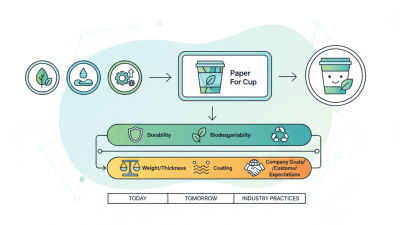
How to Choose the Best Paperboard Cups for Your Needs?
Choosing the right paperboard cups is more important than ever. In today's fast-paced world, convenience and quality matter. Industry expert Jane Doe emphasizes, "The right cup can elevate the drinking experience." Paperboard cups come in various sizes, designs, and materials. Selecting the best option for your needs can be overwhelming.
Consider what you'll use them for. Are you serving hot coffee or cold beverages? Their insulation properties vary, affecting performance. Additionally, the visual appeal can influence customer perception. Not all paperboard cups are created equal. Some may not meet your standards for quality or sustainability.
Reflect on your priorities. Are eco-friendliness and durability at the top of your list? The choice can impact both your brand and the environment. Explore the market, but don't rush. It’s essential to find a balance between aesthetics and functionality. The right paperboard cup can make a significant difference.
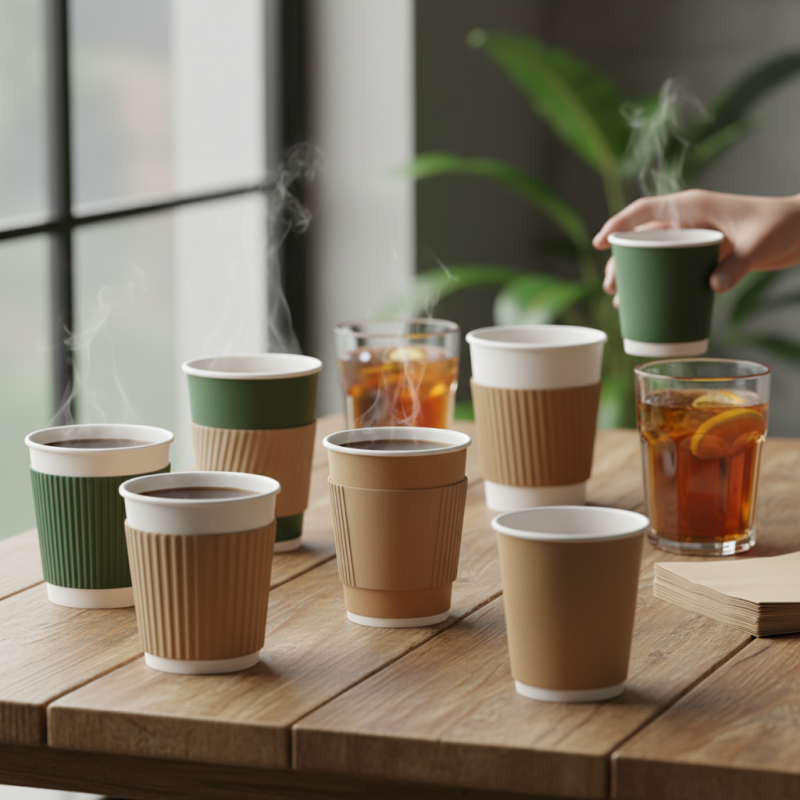
Understanding Paperboard Cup Materials and Their Properties
When choosing paperboard cups, understanding the materials is crucial. Most paperboard cups are made from recycled or virgin paper fibers. According to industry reports, around 40% of paperboard used in foodservice is sourced from recycled materials. This can greatly reduce environmental impact. However, not all recycling processes are equal. Some recycling methods can weaken the fibers, affecting cup strength.
Paperboard cups can also be treated with coatings for moisture resistance. These coatings often contain polyethylene or bioplastics. Some studies show that biodegradable options are gaining popularity, yet they often perform differently under various conditions. Customers might find that cups with compostable coatings break down in commercial facilities but not at home. This inconsistency can create confusion.
Beyond material strength, user experience matters. Some cups retain heat better than others. Consumers report their drinks cool too quickly in certain models. Feedback indicates that choices can often feel overwhelming. Many buyers struggle to weigh performance against sustainability. There is not a one-size-fits-all solution, highlighting the need for careful consideration.
Comparison of Different Paperboard Cup Materials
This chart compares the insulation properties of various paperboard cup materials, helping you understand their performance when used for hot beverages.
Evaluating Sizing Options: Selecting the Right Capacity for Your Needs
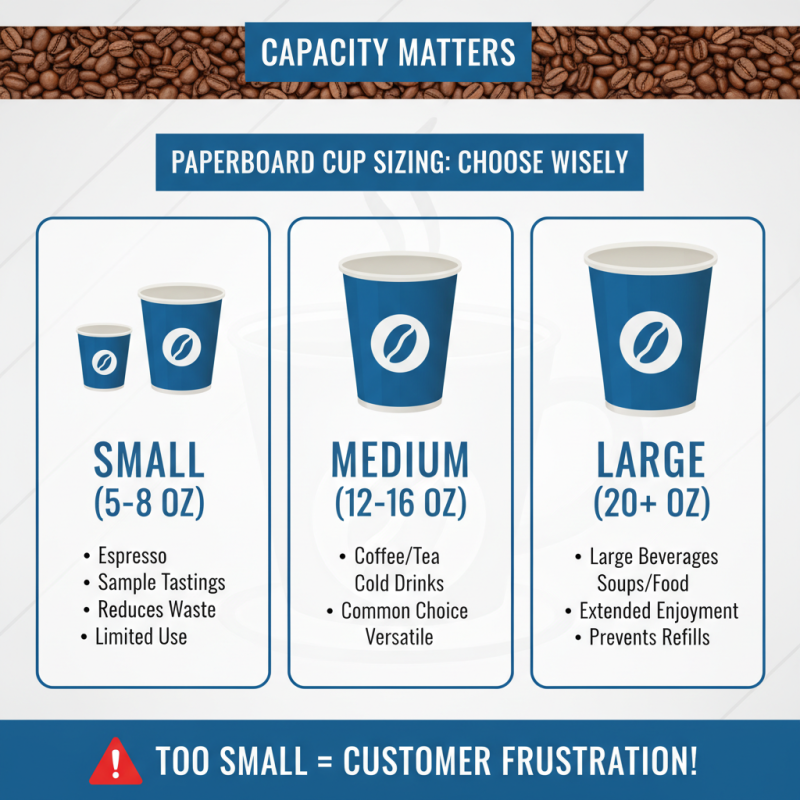
When selecting paperboard cups, sizing options are critical. The capacity of the cup impacts how well it serves your needs. Small cups, like 5 or 8 ounces, are perfect for espresso or sample tastings. These sizes prevent waste, but serve limited purposes. Choosing too small may frustrate your customers.
Larger cups, around 12 ounces or more, cater to a wider range of beverages. They are popular for coffee and iced drinks. However, oversizing can lead to unnecessary waste. If customers cannot finish their drinks, it’s a problem. Balancing size with demand is essential. Consider the types of beverages you'll offer.
Reflecting on your target audience aids in capacity selection. Are they casual drinkers or enthusiasts? Understand their preferences. Don't hesitate to experiment, even if it leads to mistakes. Sometimes, unexpected sizes become customer favorites. Stay flexible and responsive to feedback, ensuring your choices resonate with your clientele.
Assessing the Environmental Impact: Sustainability of Paperboard Cups
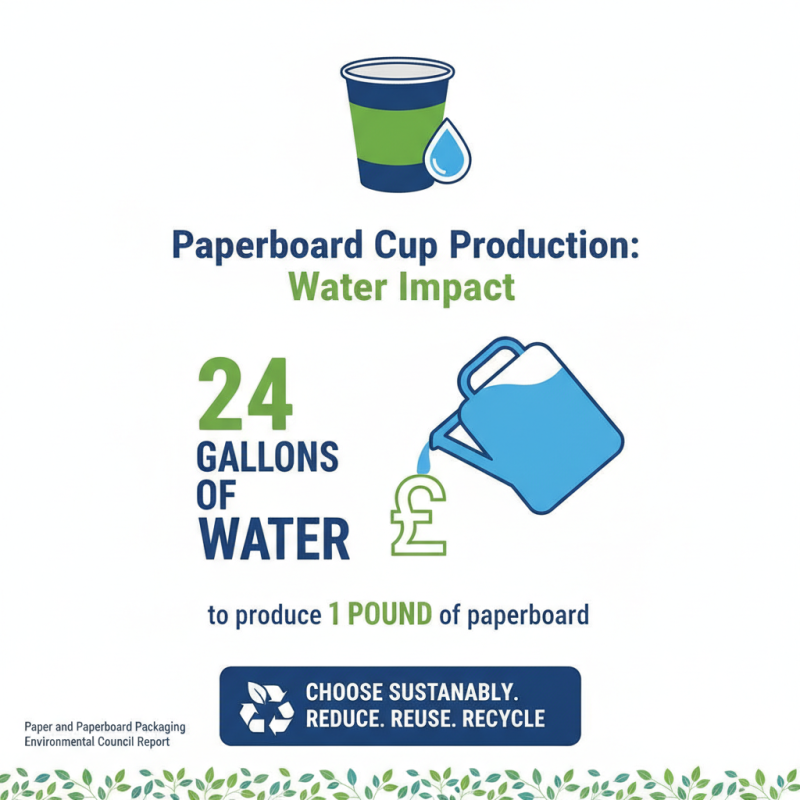
When selecting paperboard cups, understanding their environmental impact is crucial. The production of these cups often requires significant natural resources. In fact, a report from the Paper and Paperboard Packaging Environmental Council indicates that it takes approximately 24 gallons of water to produce one pound of paperboard. This number prompts a reflection on our water use in manufacturing.
Recyclability is another important factor. Research shows that around 75% of paperboard products are recyclable, yet in practice, only about 30% are actually recycled. This discrepancy highlights the need for better consumer education and improved recycling infrastructure. Many consumers may not know that linings in some paperboard cups can complicate recycling efforts.
Sourcing practices also matter. Sustainably sourced paperboard can mitigate some negative impacts. A study shows that forests certified for sustainable management help preserve biodiversity and reduce greenhouse gas emissions. However, not all paperboard claims are verified. Consumers should be wary of vague sustainability claims and seek transparent sourcing information.
Examining Printing and Branding Options for Paperboard Cups
When selecting paperboard cups, the printing options can significantly impact your branding. Research shows that 70% of consumers agree that packaging influences their purchasing decisions. A well-designed cup can act as a mobile advertisement. The choice of colors, logos, and graphics can capture attention quickly. Using vibrant colors and unique designs may increase brand recognition by up to 80%.
While creating eye-catching prints is crucial, it’s also vital to consider environmental factors. Many companies are leaning toward eco-friendly inks and materials. However, there’s still a gap in awareness. Not all brands prioritize sustainability in their printing processes. It’s essential to investigate how your printing choices affect the environment and your brand image. Reports indicate that consumers are more likely to choose brands that demonstrate a commitment to sustainability.
Beyond aesthetics, clarity in branding is key. Prints must be legible, even from a distance. Consumers should easily identify your brand logo. Yet, some businesses overlook this detail. Poor contrast or intricate designs can lead to customer confusion. A simple, clear design often yields the best results. Striking a balance between creativity and clarity is vital for effective branding using paperboard cups.
Cost Analysis: Balancing Quality and Affordability in Paperboard Cups
When selecting paperboard cups, cost is often a major factor. A recent industry report indicates that premium paperboard cups can cost up to 25% more than standard options. However, this price difference can impact your long-term savings. High-quality cups often reduce leaks and keep beverages hot longer, minimizing waste and enhancing customer experience.
Tips: Always assess your target market. Are you serving budget-conscious customers, or do they prefer premium items?
Balancing quality and affordability requires careful consideration. For instance, a cheaper cup may save money upfront, but it could lead to customer dissatisfaction. A 2022 survey showed that 70% of customers would choose a better-performing cup over a cheaper option. Investing wisely can elevate your brand.
Tips: Check for bulk pricing discounts. Many manufacturers offer lower rates for larger orders. It’s a strategy that could enhance your bottom line.
Choosing the right paperboard cups isn't just about price. It's about value and functionality. An awkward balance could dilute your brand's reputation. Reflection on quality versus cost is crucial for long-term success.