How to Choose the Best Watercolor Paper Roll for Painting?
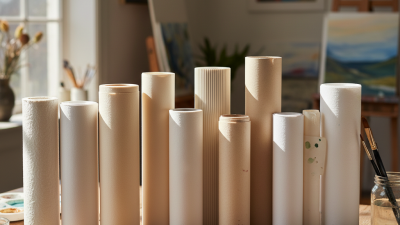
Choosing the right Watercolor Paper Roll can significantly impact your painting experience. Renowned artist Mia Thompson emphasizes, "The type of paper you use defines your work." With various options available, understanding the characteristics of watercolor paper is crucial.
When selecting a Watercolor Paper Roll, consider weight and texture. Heavier paper often absorbs water better, resulting in richer colors. Conversely, lighter papers may buckle under the water's weight. Pay attention to the finish as well; rough, cold-pressed paper creates different effects than smooth, hot-pressed alternatives.
Many artists struggle with this decision. It's easy to feel overwhelmed by choices in the market. Testing different types may help to discover what suits your style best. Remember, perfection isn’t the goal. Each roll has its quirks and benefits. Embrace those imperfections, and you may find a new creative avenue in your work.
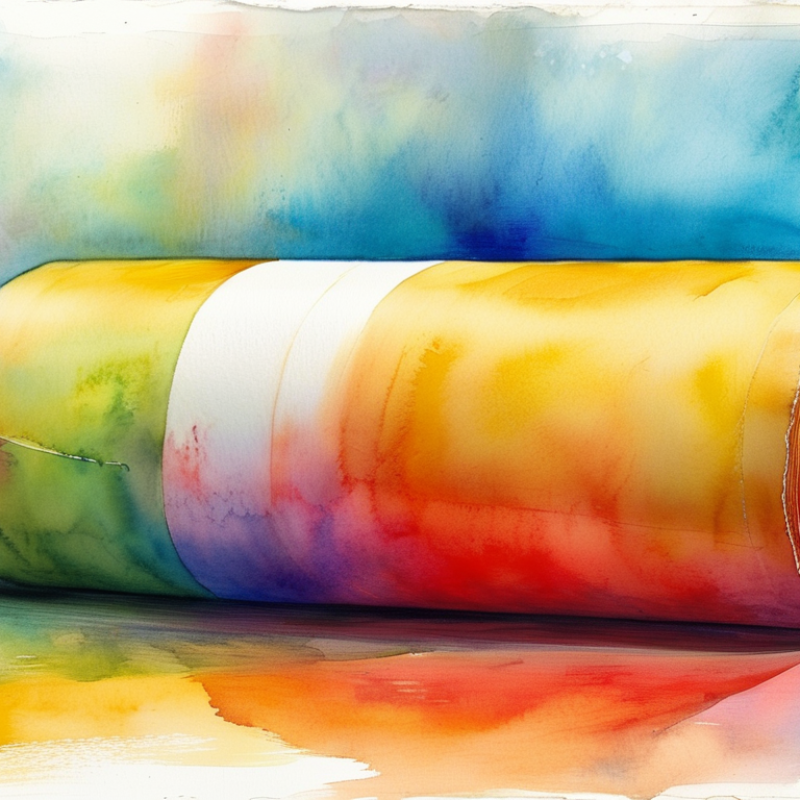
Types of Watercolor Paper Rolls: Understanding Different Weights and Textures
When selecting watercolor paper rolls, understanding weight and texture is crucial. Watercolor papers typically range from 190 to 800 gsm. The weight affects absorbency and durability. For instance, lighter papers, around 190-300 gsm, are ideal for quick studies. On the other hand, heavier papers, over 600 gsm, can handle more water and more layers without buckling.
Texture also influences painting techniques. Cold-pressed paper features a rough texture, ideal for bold strokes and heavy washes. It creates interesting patterns and absorbs water well. Hot-pressed paper is smooth, perfect for fine details and precise lines. A study from the National Art Education Association shows that artists often prefer cold-pressed for expressive work, while illustrators lean towards hot-pressed for detailed illustrations.
Considering different weights and textures can enhance your painting experience. Artists may find that their preferred paper changes with their style or project demands. Experimentation is key. Not all papers will yield the desired results every time. Each piece might surprise you in both good and challenging ways. So, explore various options to discover what resonates with your unique artistic voice.
Key Factors to Consider When Choosing Watercolor Paper Rolls
When choosing a watercolor paper roll, several key factors come into play. The paper's weight is crucial; typically, it should be at least 200 gsm to prevent warping. A heavier paper allows for more water and pigment, which can enhance your painting experience. It's important to check the texture as well. Rough, cold-pressed paper may be ideal for certain styles, while smooth, hot-pressed options offer fine detail.
Another factor is the paper's absorbency. High-quality watercolor paper absorbs water evenly, allowing colors to blend seamlessly. You might want to test a small section before committing to a large roll. This helps prevent frustration later on. Furthermore, consider the pH level of the paper. Acid-free options ensure that your artwork remains vibrant over time.
Beyond technical aspects, think about your personal style. How do you approach painting? Your individual process will dictate what feels right. Experiment with different types until you find the perfect fit. It might take time, and that’s okay. Each choice offers a learning experience and helps refine your skills. Explore various textures and weights to discover what resonates with your artistic voice.
How to Choose the Best Watercolor Paper Roll for Painting? - Key Factors to Consider When Choosing Watercolor Paper Rolls
| Factor |
Description |
Recommended Weight (gsm) |
Surface Texture |
| Weight |
Heavier paper usually absorbs more water and is less likely to warp. |
190 - 800 gsm |
Varies: Rough, Cold Press, Hot Press |
| Texture |
Texture affects paint application and the final look of the artwork. |
N/A |
Rough, Cold Press (NOT), Hot Press (Smooth) |
| Absorbency |
Higher absorbency allows for vibrant paint application and blending. |
N/A |
Cold Press recommended for high absorbency |
| Acid-Free |
Prevent yellowing and degradation of paper over time. |
N/A |
Acid-Free recommended |
| Roll Size |
Consider the size of your work and storage options. |
Varies |
Standard widths available |
Comparing Cotton vs. Pulp-Based Watercolor Paper Rolls
When selecting watercolor paper rolls, artists often must choose between cotton and pulp-based options. Cotton paper is a popular choice among professionals. It is known for its durability and texture. The fibers in cotton paper can absorb water well, making it ideal for wet techniques. Many artists appreciate its ability to withstand multiple washes without warping. This paper can elevate the quality of a painting significantly.
On the other hand, pulp-based paper offers a more budget-friendly alternative. While it may not have the same absorbency as cotton, it can still produce good results. Pulp paper often has a smoother surface, which can work well for certain styles. Some artists enjoy experimenting with this option, despite its limitations. There’s beauty in its imperfections, reflecting the artist's raw emotion.
Choosing between cotton and pulp-based watercolor paper ultimately depends on the artist’s style. Some find that cotton meets their needs better. Others enjoy the exploration of pulp paper's characteristics. This decision may require some trial and error. The journey is part of artistic growth. Each choice can lead to different results, inviting reflection and deeper understanding of materials.
Comparison of Watercolor Paper Types
Best Brands and Recommendations for Watercolor Paper Rolls
When selecting the best watercolor paper roll, quality matters significantly. Industry reports indicate that artists often prioritize weight and texture. The ideal weight for watercolor paper typically ranges from 200 to 800 GSM. Thicker papers absorb more water, preventing warping. Professionals often recommend 300 GSM as a versatile choice. This thicker paper allows for multiple washes and heavy applications.
Numerous artists trust brands that offer 100% cotton paper. Cotton fibers enhance the paper's durability and texture. They provide a smoother surface for fine details while allowing for vibrant color applications. However, not all rolls meet these standards, leading to frustration during painting. Price is also a consideration; high-quality paper is often an investment. Some artists seek a budget option but may sacrifice quality.
Many artist forums highlight that paper grain influences the final artwork. Rough textures create unique effects but can complicate detailed work. Hot-pressed paper offers a smoother finish, ideal for intricate designs. Yet, this can lead to a lack of depth in washes. Artists frequently reflect on their choices, questioning whether the paper lived up to their expectations. Experimentation is key, even with top recommended brands.
Tips for Properly Storing and Handling Watercolor Paper Rolls
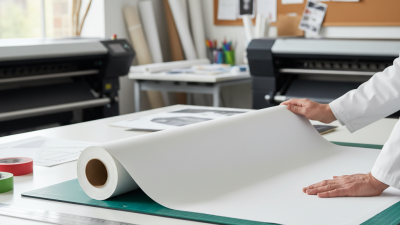
When it comes to handling watercolor paper rolls, proper storage is essential.
Humidity plays a critical role in maintaining the integrity of the paper. According to a report by the International Watercolor Society, excessive moisture can warp or mold the paper. Ideally, store rolls in a climate-controlled environment with humidity levels between 30% and 50%. This prevents deformation and keeps the paper usable for a longer period.
Handling watercolor paper requires specific care. Always use clean hands when unrolling the paper to avoid oil transfer. A study published in the Journal of Arts and Crafts reveals that contaminants can affect paint adhesion. Additionally, consider using acid-free storage solutions. These prevent yellowing and deterioration over time.
Even with care, paper may still experience some wear. Regular inspection is necessary. Papers can develop creases or tears, even in optimal conditions. It's a reminder that maintaining the quality of watercolor paper rolls requires ongoing attention.