Choosing the right Food Wrapping Paper is crucial for many cooking and storage tasks. The options available can be overwhelming. There are eco-friendly choices, plastic wraps, and parchment papers. Each type has its unique benefits and drawbacks.
Consider what you need the paper for. Are you wrapping sandwiches for lunch, or maybe baking delicate pastries? Different foods may require different types of wraps. For instance, greaseproof paper is great for oily foods. However, it may not be the best for moisture-rich items.
Don’t overlook the environmental impact of your choice. Many wraps are single-use and end up in landfills. Reflect on how you can balance convenience and sustainability. Your choice in Food Wrapping Paper should reflect your needs, preferences, and values.
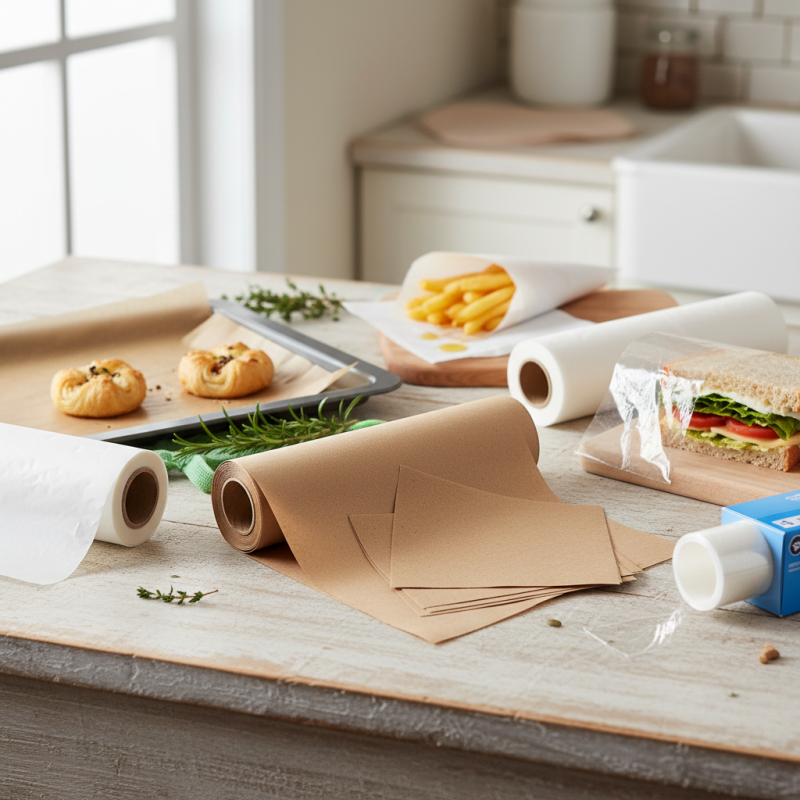
When selecting food wrapping paper, it's crucial to understand the different types available. Each option serves unique purposes. Some papers are designed for heat resistance, while others focus on moisture control. Wax paper, for example, is great for wrapping sandwiches. It provides a moisture barrier but can melt when exposed to high heat. Parchment paper excels for baking. It prevents sticking and holds up well against high temperatures.
Plastic wrap is another common choice. It's flexible and great for covering dishes. However, some people question its safety, especially when used with hot foods. The debate around plastic's environmental impact adds another layer of complexity. Not all papers are biodegradable. It's worth considering the long-term effects of your choice.
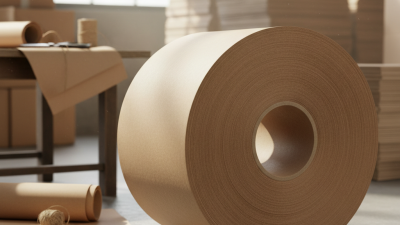
Brown kraft paper is often overlooked. It's eco-friendly but lacks the moisture barrier found in other options. It's suitable for dry items like bread or cookies. But does it perform as well as plastic or wax? There’s a balance between functionality and sustainability. Understanding your specific needs can guide your decision. Each type of food wrapping paper comes with its pros and cons. Finding the perfect fit takes time and reflection.
| Type of Food Wrapping Paper | Material | Food Safety | Eco-Friendliness | Best Use Cases |
|---|---|---|---|---|
| Plastic Wrap | Polyethylene | BPA-free options available | Not biodegradable | Wrap leftovers, cover dishes |
| Aluminum Foil | Aluminum | Food safe | Recyclable | Cooking, wrapping hot foods |
| Parchment Paper | Cellulose | Food safe and non-toxic | Biodegradable | Baking and cooking food |
| Wax Paper | Paper coated with wax | Food safe for certain uses | Not recyclable or compostable | Sandwiches, cold foods |
| Beeswax Wraps | Cotton fabric coated with beeswax | Food safe | Compostable and reusable | Vegetables, sandwiches, covering bowls |
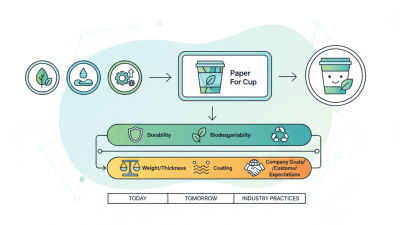
When choosing food wrapping paper, several key features should be top of mind. Material type is essential. Biodegradable options are gaining traction, accounting for over 30% of market share in 2022. These papers break down naturally, reducing landfill impact. Traditional plastic wraps, while convenient, contribute significantly to waste issues. Research indicates that nearly 80 million tons of plastic waste are generated annually.
Next, consider thickness and durability. Thicker paper generally offers better protection and insulation. A 2023 report from the Food Packaging Institute notes that 60% of consumers prefer thicker wraps for their freshness retention. However, it's important to note that not all thick papers are recyclable.
Adhesive properties also play a critical role. Some papers require a specific type of adhesive to maintain seal integrity. A study found that 25% of consumers experienced issues with paper that doesn't adhere properly. These little details can lead to wasted food and resources. While doing research, reflect on practical needs. What works best for home cooking might differ from what suits restaurant supplies. Not every choice will be perfect, so understanding your specific requirements is vital for eco-friendly and functional options.
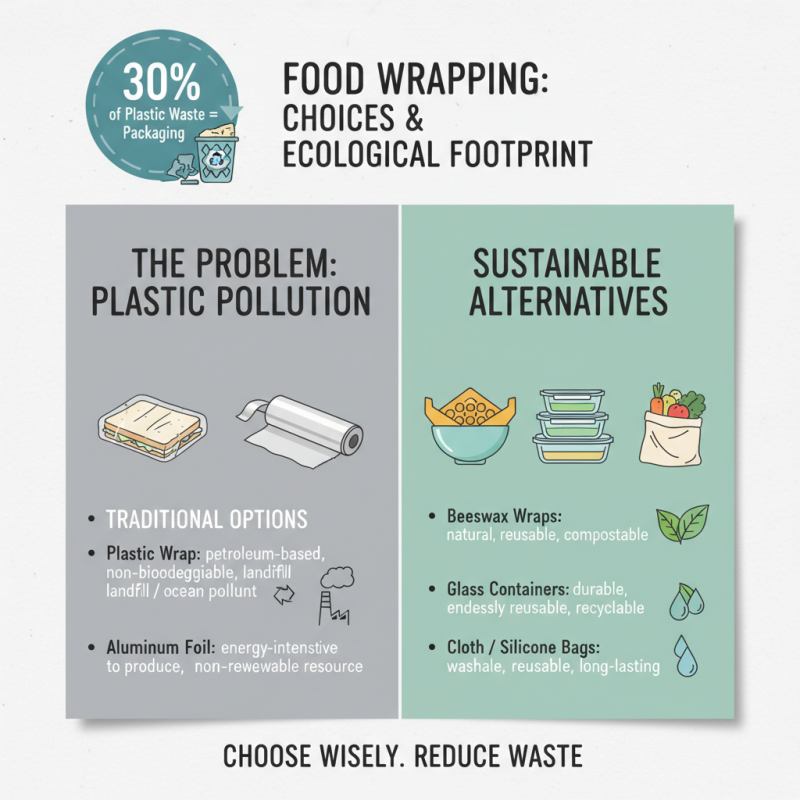
In recent years, the environmental impact of food wrapping options has gained attention. According to a report by the Environmental Protection Agency, about 30% of plastic waste comes from food packaging. This statistic highlights the urgency of choosing sustainable materials. Many options exist, each with distinct ecological footprints.
Biodegradable wraps, for instance, can decompose within a few months, unlike traditional plastic, which takes centuries. They often use plant-based materials, making them a more responsible choice. However, they may still contribute to waste if not disposed of properly. Recycling rates for compostable materials remain low in many areas.
Wax paper, often seen as a classic option, can last longer than biodegradable films. It blocks moisture and grease, ideal for various foods. Nevertheless, it is essential to consider where it ends up. If it lands in landfills, it does not break down efficiently. As consumers, we must reflect on our choices and their long-term implications for the planet. Sustainable alternatives are available, but awareness and responsibility are crucial to make a genuine impact.
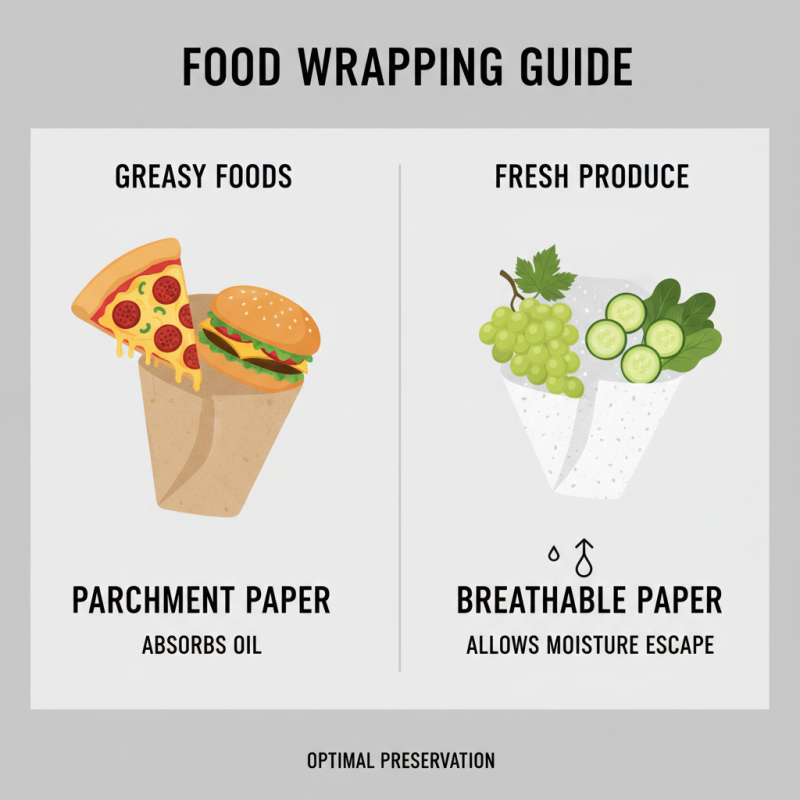
When selecting food wrapping paper, consider the type of food you need to cover. Different foods require different materials for optimal preservation. For instance, greasy items like pizza benefit from parchment paper. This helps absorb excess oil. On the other hand, fresh fruits and vegetables often do best with breathable paper. This allows moisture to escape, keeping them crisp longer.
Think about the size and shape of your food. Standard sheets may not fit everything. You might need to cut or fold them, which can lead to messy wrapping. Consider using larger rolls for bulk items. This gives you flexibility in managing various portions.
Another key factor is the paper's environmental impact. Some products are recyclable, while others are not. This point often gets overlooked. Reflect on your choices. Choosing eco-friendly options might be a responsible decision, but they may not always perform as well. Evaluate what matters most: the earth or your food’s longevity.
When considering food wrapping materials, cost-effectiveness is crucial. According to a 2022 industry report, polyethylene film remains one of the most popular options. It costs about $0.015 per square foot. This is a significant factor for restaurants and food vendors looking to cut costs. However, it is less sustainable. Consumers are increasingly concerned about environmental impact.
In contrast, beeswax wraps show potential. A study by the Eco-Friendly Food Packaging Association indicates they last up to a year with proper care. Their cost is around $0.04 per square foot. While more expensive upfront, they can reduce waste. Some users complain that they are not as versatile. There are challenges in cleaning and reusability.
Mason jars and glass containers are another alternative. They offer an eco-friendly solution. However, they may require more storage space. A 2023 report highlighted that many consumers still prefer disposable options for convenience. There is a balance here—saving money versus sustainability. Understanding individual needs requires careful thought.