How to Choose the Right Paper Cup Paper for Your Business Needs?
In the evolving landscape of food service, selecting the appropriate Paper Cup Paper is crucial. A recent report by Smithers Pira highlights that the global demand for paper cups is projected to reach 600 billion units by 2028. This growth underscores the importance of quality materials in sustaining businesses and meeting consumer expectations.
Industry expert John W. Anderson states, "The right Paper Cup Paper not only enhances the user's experience but also reflects a company’s commitment to sustainability." Choosing the right paper ensures that cups maintain their integrity during use while also minimizing environmental impact. Businesses must consider factors like durability, insulation, and recyclability when sourcing materials.
The challenge lies in balancing cost and quality. Many suppliers offer various options, which can lead to confusion. As the market develops, businesses must take a reflective approach. Evaluating suppliers carefully is essential to avoid pitfalls. Ultimately, the decision on Paper Cup Paper can affect brand perception and customer loyalty.

Understanding Different Types of Paper Cups and Their Uses
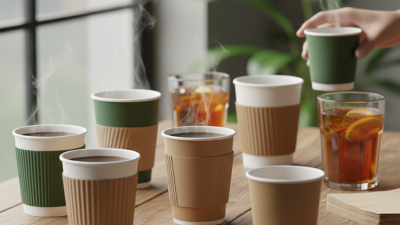
Choosing the right paper cup can be challenging. It’s essential to understand the different types available. Each type serves a specific purpose. For instance, hot cups are great for coffee and tea. They often have a double-wall design to keep drinks warm. Cold cups, on the other hand, are ideal for cold beverages like iced coffee or smoothies. These cups are typically made with a plastic lining to prevent leaks.
When selecting paper cups, consider your business needs. Look at the volume of drinks you serve. If you run a cafe, hot cups should be a priority. What about sizes? Smaller sizes are suitable for tastings, while larger ones cater to regular customers. Remember the demographics of your clientele, as preferences can vary.
**Tip:** Always test different cup types. Make sure they hold up to your liquids. A poorly made cup can leak or collapse, disappointing your customers. It's essential to balance quality and cost. Sometimes cheaper options may not perform as expected. Pay attention to feedback from your team and customers. They may note issues you overlooked. Consider reevaluating your choices periodically to ensure they meet your needs effectively.
Paper Cup Types and Usage Distribution
Factors to Consider When Choosing Paper Cup Materials
Choosing the right paper for your business's paper cups can be challenging. Several factors need consideration, particularly the material used. A recent industry report indicates that 70% of consumers prefer sustainable materials. This trend affects purchasing decisions significantly.
When selecting paper, think about its durability. For instance, cups must withstand hot liquids without leaking. A study found that cups made from high-quality paper can hold temperatures above 200°F for extended periods. This is crucial for customer satisfaction.
Tip: Test different materials in your operations. See how they perform with various beverages. You might discover that some papers meet your needs better than others.
Environmental considerations are also vital. Many customers are now looking for eco-friendly options. Sourcing recyclable or compostable paper can resonate with your audience. Research shows 65% of consumers are willing to pay more for sustainable products.
Tip: Analyze your target market before finalizing your choice. Understand their preferences and values. Balancing quality and sustainability can enhance brand loyalty.
How to Choose the Right Paper Cup Paper for Your Business Needs?
| Material Type |
Weight (gsm) |
Coating Type |
Biodegradable |
Recommended Use |
| Single Wall |
180 |
PE Coated |
No |
Cold Beverages |
| Double Wall |
250 |
PE Coated |
No |
Hot Beverages |
| Kraft Paper |
210 |
Water-Based Coating |
Yes |
Foam Beverages |
| PLA Coated |
300 |
PLA Coating |
Yes |
Eco-Friendly Options |
| Polypropylene |
180 |
PP Coating |
No |
Cold and Hot Beverages |
Evaluating Sustainability and Environmental Impact of Paper Cups
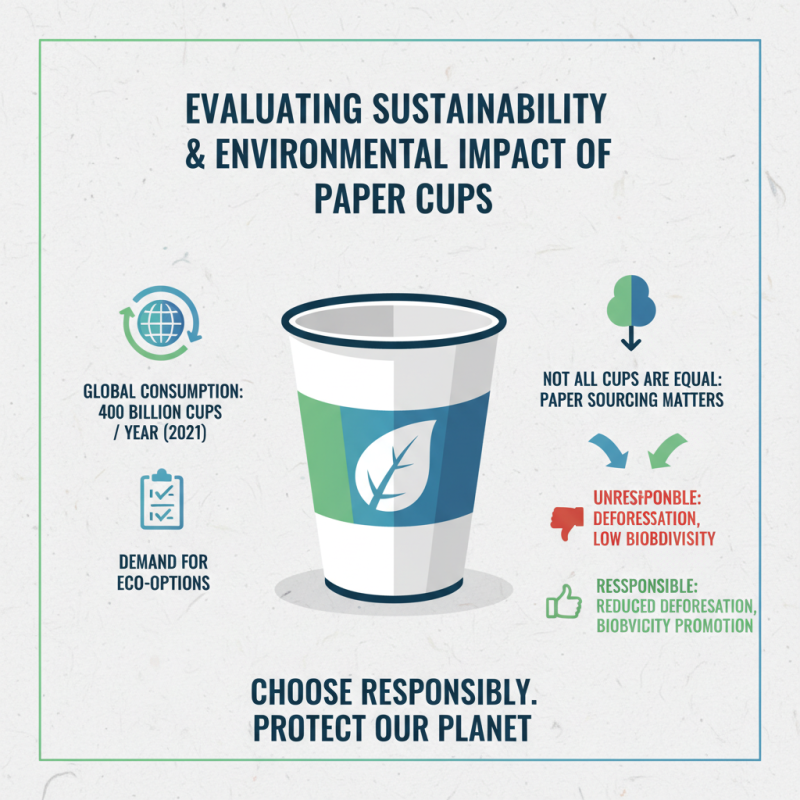
When selecting paper cups, sustainability is crucial. In 2021, about 400 billion paper cups were used globally. This staggering number illustrates the demand for environmentally friendly options. However, not all paper cups are created equal. Paper sourcing greatly affects their environmental impact. Choosing responsibly sourced paper can reduce deforestation and promote biodiversity.
Recycling is another vital aspect of sustainability. Unfortunately, only 1 in 400 cups are properly recycled. This low rate shows a significant gap in waste management. Many cups contain plastic lining, making recycling complicated. Alternative materials, such as compostable linings, are now being explored. Companies must evaluate whether their options align with eco-friendly goals.
Additionally, the life cycle of paper cups should be considered. From raw material extraction to disposal, each stage has an impact. Some reports suggest that using recycled paper can lower greenhouse gas emissions significantly. Yet, there is a trade-off between cost and environmental benefits. Businesses must balance sustainability with budget constraints. Careful analysis and conscious choices can lead to better outcomes for the planet.
Cost Analysis: Balancing Quality and Budget for Your Paper Cups
Choosing the right paper for your cups is crucial. Cost is often a deciding factor. However, prioritizing quality can save money in the long run. Cheap paper can lead to leaks or poor insulation. This might result in unhappy customers. Balancing budget constraints with quality is key for any business.
Evaluate your needs carefully. Consider how much your business can realistically spend. A low-cost option may not always be the best solution. Sometimes, investing more upfront leads to better durability and customer satisfaction. Analyze these factors thoroughly. Look at your sales volume and customer expectations.
Test different options. Gather feedback from staff and customers. A slight increase in cost may provide significant returns. Think about the long-term implications of your choices. A good cup enhances the overall experience. Quality paper can be a silent ambassador for your brand. Finding this balance is an ongoing challenge. Finally, remain flexible and open to adjustments as needed.