10 Essential Tips for Choosing the Right Paper Cup for Your Needs?
Choosing the right Paper Cup can be a daunting task. With various sizes, materials, and uses, the options are overwhelming. According to industry reports, the global Paper Cup market is projected to reach $3.4 billion by 2025. This growth reflects an increased demand for eco-friendly products. However, many businesses still struggle to select the right Paper Cup for their specific needs.
Expert James Wilson, a specialist in sustainable packaging, emphasizes the importance of understanding your requirements. "Selecting the right Paper Cup is crucial for maintaining brand integrity," he states. It's not just about convenience; it affects customer experience and environmental impact. Many companies overlook these factors, leading to poor choices and waste.
Details matter in the Paper Cup industry. Consider the type of beverage, insulation features, and even local recycling options. Each aspect plays a role in your selection. A poorly chosen Paper Cup can result in leaks, customer dissatisfaction, and increased costs. Awareness of the nuances in Paper Cup design can greatly enhance your business's reputation and sustainability efforts.
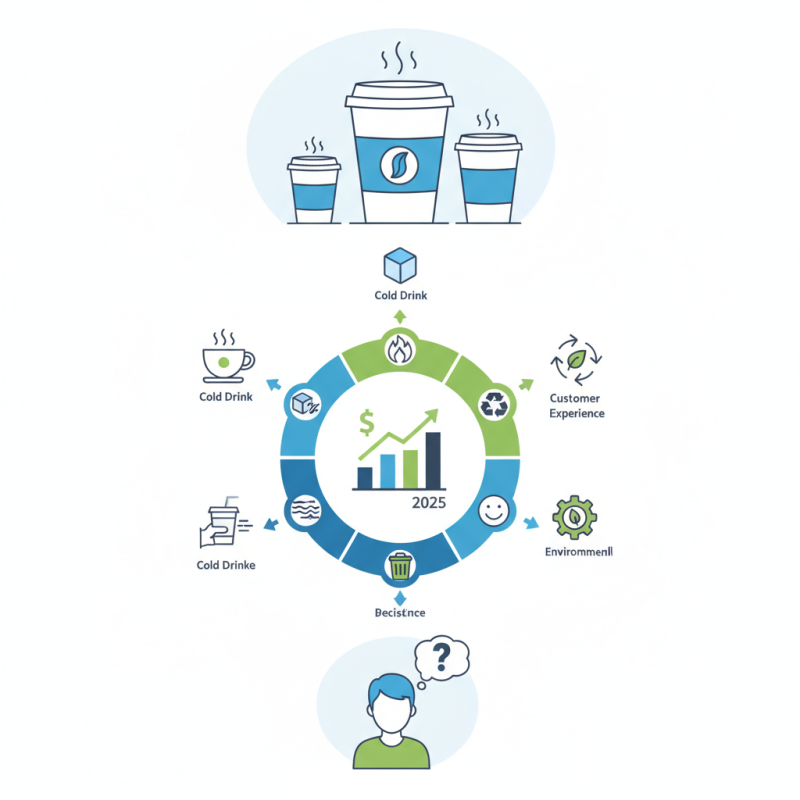
Understanding Paper Cup Materials: Types and Their Properties
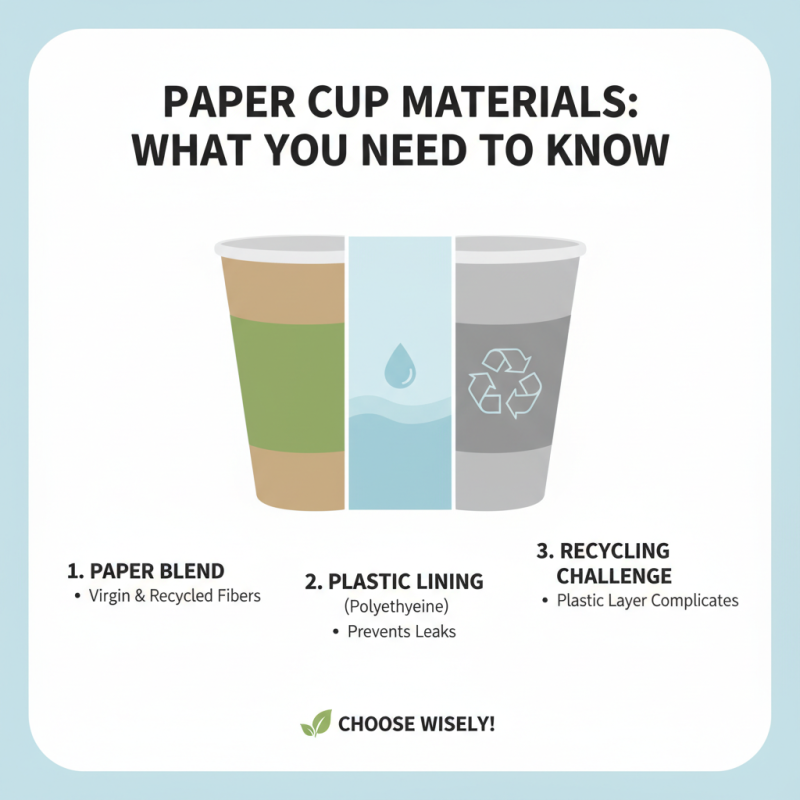
When selecting a paper cup, it’s crucial to understand the materials. Most paper cups are made from a blend of virgin and recycled paper. This results in a sturdy structure that's essential for holding liquids. The paper is often coated with a thin layer of polyethylene to prevent leaks. However, this plastic lining complicates recycling efforts, a fact that some consumers overlook.
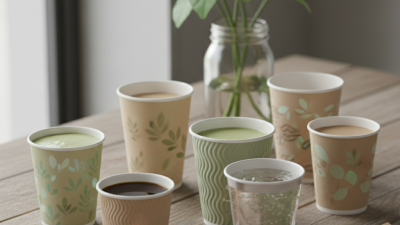
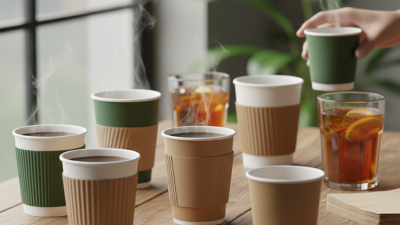
Different types of paper cups serve various needs. Single-wall cups are lightweight, best for cold beverages. On the other hand, double-wall cups offer insulation for hot drinks. Yet, many may not realize that a double-wall cup can be overkill for simple uses. Sometimes, evaluating your needs can lead to better choices. Consider the environmental impact too. Biodegradable options exist, but they may not hold up as well as traditional choices.
It’s easy to get caught up in aesthetics, but function should come first. A beautifully printed cup is attractive but may lack durability. Reflect on your beverage needs and choose accordingly. It’s not just about looks; usability is paramount. Balancing aesthetics with functionality is key, though often challenging.
Key Considerations for Choosing Eco-Friendly Paper Cups
Choosing eco-friendly paper cups requires careful consideration. Many options exist, but not all are created equal. Research shows that over 250 million tons of plastic waste are generated annually. This raises serious questions about sustainability.
When selecting paper cups, look for those made from recycled materials. Studies indicate that using recycled content can reduce energy consumption by up to 60%. Knowing the source of materials is crucial. Cups certified by reputable environmental organizations often meet higher sustainability standards. However, it's essential to read the fine print. Some products claim to be eco-friendly but may contain additives that complicate recycling.
Biodegradability is another key factor. Ideally, your paper cup should decompose in a composting environment within three months. Yet, many cups still end up in landfills. Most facilities lack the capacity to process these materials correctly. This is a significant flaw in the system. As consumers, we must question what we choose to purchase. Engaging with suppliers about sourcing and impact improves overall eco-consciousness in consumer behavior.
Sizing and Capacity: Selecting the Right Volume for Your Beverage
Choosing the right paper cup involves understanding sizing and capacity. Each beverage has its ideal volume, enhancing the experience. Small coffee cups typically hold 8 ounces. They are perfect for strong brews. Larger cups, like 16-ounce options, suit iced drinks or smoothies. The right size can make a difference.
When selecting, consider the purpose. For quick service, smaller sizes work best. They help manage consumption. However, if your customers desire larger portions, opt for bigger cups. Keep in mind that larger cups can be heavy and awkward. They may also lead to waste if not finished.
Additionally, think about the insulation qualities. Some cups are designed to handle hot beverages better. If you serve coffee, choose cups that maintain temperature longer. This can impact customer satisfaction. Reflect on your customer base. Are they likely to prefer smaller or larger servings? Understanding their needs will guide your choices effectively.
Paper Cup Sizing and Capacity Analysis
Cost Analysis: Balancing Quality and Price for Paper Cups
When selecting the right paper cup, balancing quality and price is crucial. Research shows that businesses often spend between $0.05 and $0.15 per cup. While a cheaper cup saves money upfront, it can compromise quality. A flimsy cup might leak or collapse, leading to customer dissatisfaction. This can ultimately affect brand reputation.
In a recent industry report, around 65% of consumers indicated that cup quality influenced their purchasing decisions. Approximately 72% of operators prefer eco-friendly options, even if they cost slightly more. Sustainable cups may have a 10-20% higher price tag, but the long-term benefits are clear. Improved brand loyalty can lead to increased sales, as consumers are willing to pay for better quality.
Some buyers may overlook the hidden costs of cheaper cups. These can include potential losses from spills and customer complaints. A durable cup can enhance the overall experience, making it worth the investment. Businesses need to balance short-term savings with long-term gains, which isn’t always easy. It's important to analyze all aspects before making a decision.
Industry Standards and Certifications for Paper Cup Safety and Quality
When selecting a paper cup, safety and quality are paramount. Many manufacturers claim to meet industry standards, but not all comply. Certifications can help guide your decision. Look for cups with certifications from reputable organizations. Such labels indicate careful testing for safety and environmental impact. This can significantly influence your choice.
Consider the material safety as well. Some paper cups contain coatings that may not be food-safe. Ensure that cups are free from harmful chemicals. Knowledge about these aspects enhances your awareness. Many cups labeled "biodegradable" could still be misleading. Real biodegradable materials break down efficiently in composting conditions. Always double-check these claims and seek transparent information.
Recycling is another crucial point to reflect on. Not all paper cups are recyclable due to their linings. Research local recycling guidelines to ensure proper disposal. It is a common oversight that can harm the environment. Choosing the right paper cup requires attention to these details. Making informed decisions leads to better sustainability practices in your business.