Why is Glossy Paper Preferred for Professional Printing and Photography?
In the world of professional printing and photography, glossy paper stands out as a preferred choice. Its reflective surface enhances colors and details, making images pop. This characteristic is crucial for photographers aiming to showcase their work in the best light. Glossy paper provides depth and vibrancy that matte finishes often struggle to match.
However, there are nuances that photographers and printers should consider. While glossy paper excites with its sheen, it can also reveal fingerprints and glare in certain lighting. Understanding these limitations is essential for achieving optimal results. Additionally, not every project requires the bold impact of glossy finishes. Some images may convey a different narrative on textured or matte paper.
Ultimately, the choice of glossy paper is not merely about aesthetic appeal. It involves a blend of technical understanding and artistic vision. This intricate balance guides professionals toward making informed decisions. The allure of glossy paper comes with its challenges, prompting ongoing reflection in the printing community.

Understanding Glossy Paper and Its Properties in Printing
Glossy paper is often favored in professional printing and photography due to its unique properties. It has a smooth finish that enhances color vibrancy and sharpness. Photographers and graphic designers appreciate glossy surfaces for their ability to reflect light, creating a stunning visual impact. According to a report by the Imaging Industry Association, prints on glossy paper can display 30% more color saturation compared to matte options. This makes glossy paper ideal for high-quality images that capture attention.
When using glossy paper, consider the type of ink you use. Dye-based inks may produce more vivid results, but pigment-based inks offer superior longevity. A balance between these inks can achieve both vibrancy and durability. Remember, glossy finishes highlight fingerprints and dust, which can be a drawback. Routine cleaning is essential to maintain the paper’s pristine look.
Tip: Always test your prints before committing to a large batch. This ensures the colors appear as expected and helps avoid waste. Experiment with various profiles and settings for the best outcome. Keep in mind the context of your prints; glossy paper might not be suitable for every project. Assess your audience and purpose carefully before making a decision.
Comparative Analysis: Glossy vs. Matte Paper for Photography
When it comes to professional printing and photography, the choice between glossy and matte paper is crucial. Glossy paper is often favored because of its vibrant color reproduction. This type of paper enhances the contrast and sharpness of images, making photos visually striking. In comparison, matte paper has a softer finish and produces a more subdued look. It can be ideal for certain artistic styles but might not capture the same level of detail and brilliance as glossy.
One major advantage of glossy paper is its ability to showcase fine details. The shiny surface reflects light, creating a dynamic look. However, this reflection can be problematic in certain lighting conditions. For instance, glare can obscure details, making it challenging to appreciate the image fully. On the other hand, matte paper is less prone to glare, making it suitable for display in various environments.
**Tips for Choosing Paper:**
Consider your project’s needs. If you want vibrant, eye-catching prints, opt for glossy. If you seek a more subtle, sophisticated feel, matte could be the better choice. Don't overlook the texture. Sometimes, a slight imperfection in paper can add character to your prints. Experiment with both types to understand their unique traits. This could lead you to unexpected insights and a more informed decision.
Why is Glossy Paper Preferred for Professional Printing and Photography?
| Criteria |
Glossy Paper |
Matte Paper |
| Color Vibrancy |
High |
Moderate |
| Texture |
Smooth and Shiny |
Rough and Matte |
| Fingerprint Resistance |
Low |
High |
| Best Use Cases |
Brochures, Photos |
Art Prints, Text-Heavy Documents |
| Durability |
Moderate |
High |
| Cost |
Higher |
Lower |
Advantages of Using Glossy Paper in Professional Photography
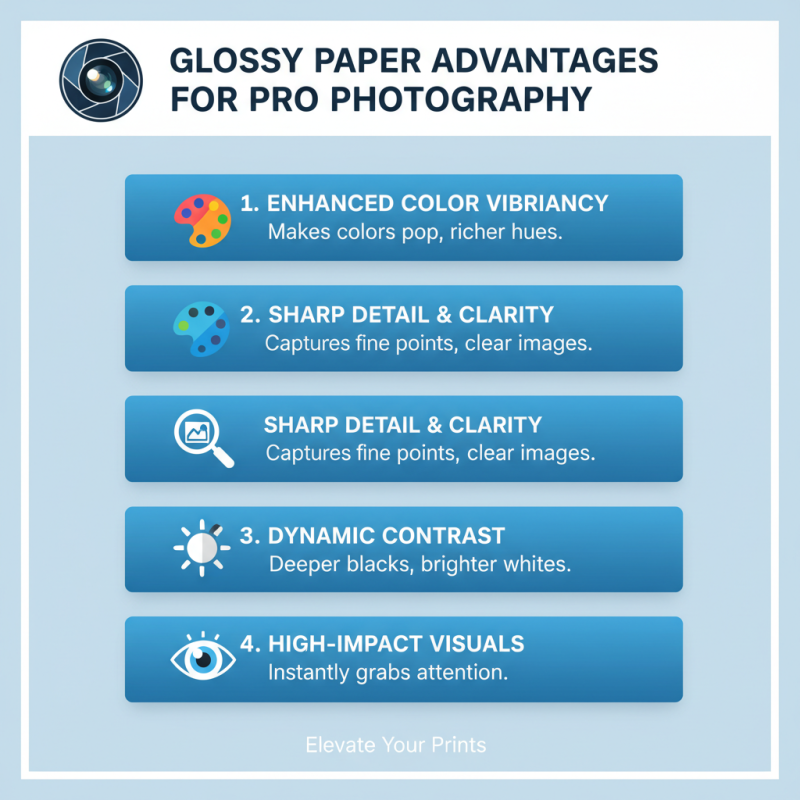
Glossy paper offers distinct advantages in professional photography. Its shiny finish enhances color vibrancy, making images pop with life. Photographers often choose glossy paper for high-impact visuals, as it captures detail beautifully. Deep shadows and bright highlights are rendered more effectively on glossy surfaces. This results in breathtaking images that catch the viewer's eye instantly.
The texture of glossy paper can also affect the viewing experience. When light reflects off its surface, it adds depth to photographs. However, prints can be prone to fingerprints and glare, which may obscure details. Photographers need to consider this while displaying their work. Tactile experiences can vary, and glossy finishes might not suit every style of photography.
Some photographers prefer a more subdued look, opting for matte finishes. They find that matte paper allows for softer transitions and a more artistic feeling. This preference highlights the importance of personal choice in the industry. While glossy paper has its merits, it's essential to evaluate the desired effect and presentation carefully.
Impact of Glossy Paper on Color Vibrancy and Detail Reproduction
Glossy paper is often the top choice for professional printing and photography. Its unique surface reflects light, enhancing color vibrancy. This brightness can make colors pop in ways that matte papers struggle to achieve. Photographers appreciate how glossy finishes accentuate rich hues and deep shadows. The depth of color provided by glossy paper can breathe life into an image, making it more aesthetically pleasing.
Detail reproduction is equally crucial. Glossy paper captures fine details exceptionally well. Textures, skin tones, and intricate patterns appear sharper and more defined. This is particularly relevant in high-resolution photography. However, one must consider the balance between glossy finishes and glare. Sometimes reflections can obscure details under certain lighting. Navigating this challenge requires experience and an understanding of the environment in which the printed piece will be viewed.
Overall, glossy paper significantly impacts the presentation of prints. The vibrancy and detail it offers can elevate a simple image into an impressive piece of art. Yet, it’s important to weigh the benefits against potential drawbacks in specific contexts.
Common Applications of Glossy Paper in Printing Industry
Glossy paper is a popular choice in various sectors of the printing industry.
Photographers often use glossy paper to enhance the vibrancy of their images. A report from the Printing Industry Association noted that 78% of photographers prefer glossy finishes for their portfolios. This is due to glossy paper's ability to capture details and reflect light effectively, resulting in captivating visuals.
In advertising, glossy paper plays a crucial role in marketing materials. Brochures and flyers printed on glossy surfaces tend to grab more attention. In fact, studies indicate that printed materials on glossy paper can increase reader engagement by 35%. This reflects the importance of aesthetics in communication. However, glossy paper can sometimes struggle with fingerprints and smudges, which can detract from its sheen.
Moreover, glossy paper is widely used for magazines and catalogs. The high shine enhances colors, making them pop. Yet, it's crucial for designers to consider how this finish interacts with different inks and printing techniques. This knowledge helps avoid unexpected outcomes. The balance between vibrant visuals and potential drawbacks is essential for quality results in printing and photography.