What is Kraft Paper and its Uses in Packaging and Crafting?
Kraft paper has become a popular choice in various industries. It is known for its durability and versatility. Experts like Dr. Emily Johnson, a leading figure in sustainable packaging, emphasize its importance. She stated, "Kraft paper not only offers strength but also promotes eco-friendliness."
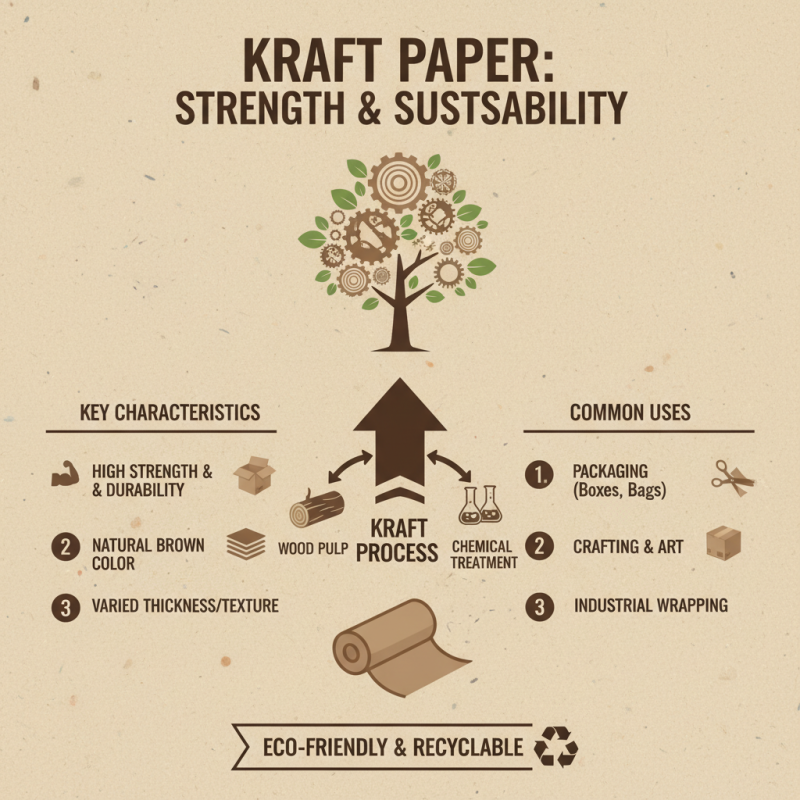
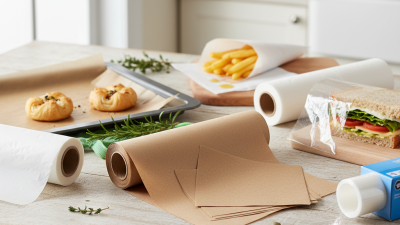
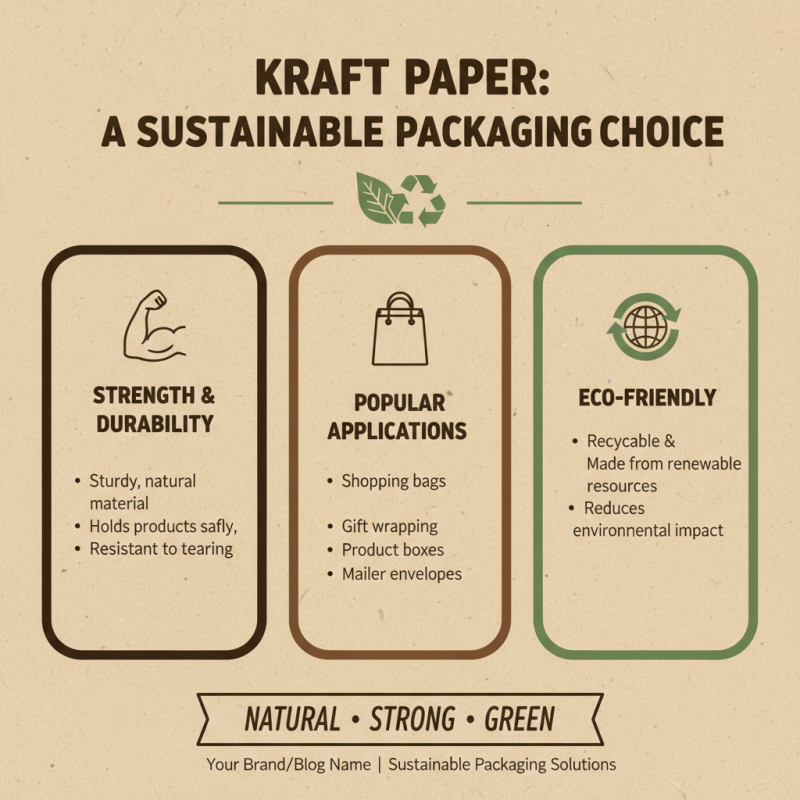
This type of paper is made from wood pulp, processed through the kraft process. This method gives the paper its signature strength and natural brown color. Many businesses use Kraft paper for packaging items ranging from food goods to retail products. Its ability to be recycled adds to its appeal in today’s eco-conscious market.
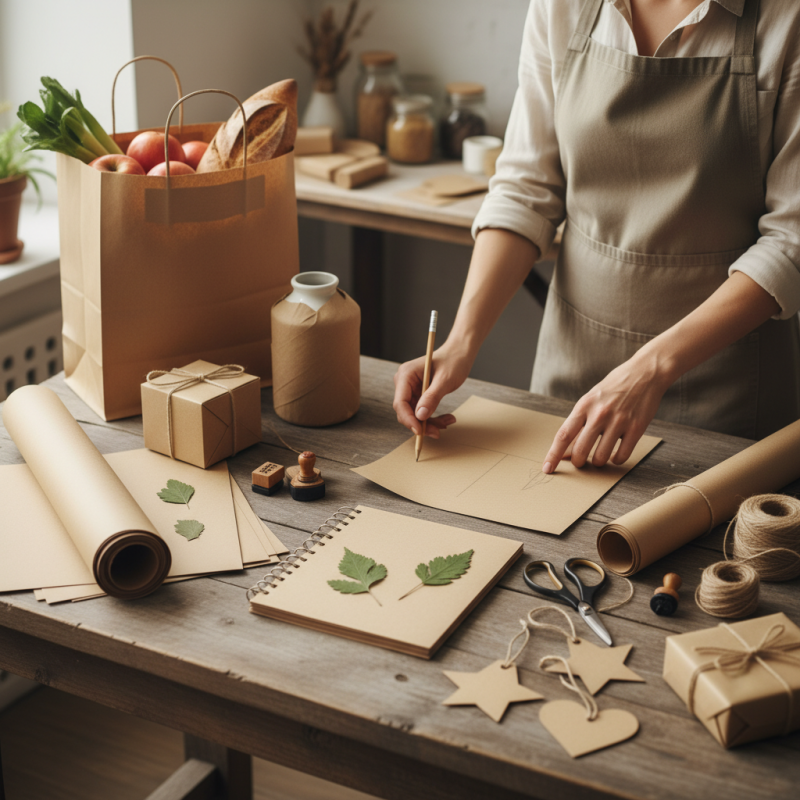
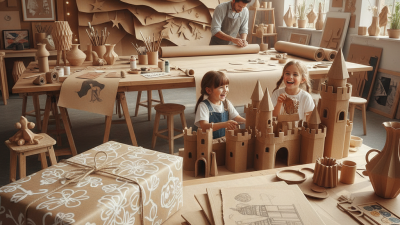
Craft enthusiasts also appreciate Kraft paper. Its texture is perfect for many projects. From scrapbooking to gift wrapping, it adds a rustic charm. However, some users find it challenging to work with due to its thickness. This shows that while Kraft paper is functional, it might not suit every creative need.
Definition and Characteristics of Kraft Paper
Kraft paper is a type of paper known for its high strength and durability. It is produced from wood pulp through a chemical process called the kraft process. This method results in a brown paper that retains some natural wood fibers. Its thickness varies, making it suitable for various applications in packaging and crafting.
One key characteristic of kraft paper is its sustainability. According to industry reports, approximately 70% of kraft paper is made from recycled fibers. This makes it an eco-friendly choice in the packaging industry. Its resistance to tearing and ability to handle heavy weights also make it popular for shipping packages. The market for sustainable packaging solutions is expected to reach USD 300 billion by 2025, reflecting the growing demand for materials like kraft paper.
Kraft paper is not without its challenges. While it is strong and versatile, it has limited barrier properties against moisture and air. This can affect the shelf life of products packaged in it. Yet, many artisans and businesses still prefer its rustic aesthetic for crafting. Whether for gift wrapping or creating eco-friendly bags, the appeal of kraft paper continues to grow. Embracing its strengths and weaknesses allows users to make informed decisions for their projects.
Types of Kraft Paper Used in Packaging
Kraft paper is a versatile material widely used in packaging and crafting. Its strength and durability make it ideal for various applications. There are several types of kraft paper, each serving different purposes in the industry.
One popular type is natural unbleached kraft paper, known for its eco-friendliness. This paper is biodegradable and recyclable. According to a 2022 industry report, the demand for unbleached kraft paper has increased by 15% due to its sustainability appeal. The manufacturing process maintains the paper's natural color, which can add rustic charm to products.
Another type is bleached kraft paper, often used when a cleaner appearance is desired. This paper is treated to achieve a white finish, making it visually appealing for retail packaging. However, it may not be as strong as its unbleached counterpart. The global market for bleached kraft paper is projected to reach 6 billion USD by 2025, highlighting its significance in consumer markets.
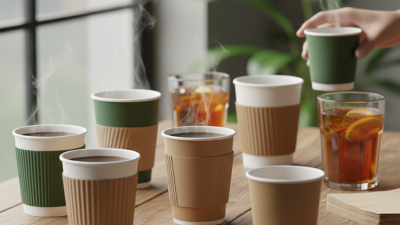
Recyclable kraft paper is also gaining traction. It is used for shopping bags and boxes, serving dual purposes of utility and environmental friendliness. While its benefits are clear, there is still a need to improve recycling rates worldwide. Meeting consumer expectations for sustainability remains a challenge for manufacturers in this competitive market.
Kraft Paper in Crafting and DIY Projects
Kraft paper is a versatile material often used in crafting and DIY projects. Its strength and durability make it ideal for a variety of applications. According to a recent industry report, the global kraft paper market is expected to reach over $20 billion by 2027, indicating a growing interest in this eco-friendly option.
In crafting, kraft paper can be used for gift wrapping, scrapbooking, and creating cards. The natural texture adds a rustic charm to projects. Studies show that consumers prefer sustainable materials. This demand drives the popularity of kraft paper in crafting circles. However, not all projects shine. Sometimes, the paper can tear easily, especially when heavy items are wrapped.
Using kraft paper in DIY projects encourages creativity. One can create decorative elements for home décor or personalized gifts. Many crafters use it for stencils or as a base for painting. Yet, there are challenges. Not every technique works well with kraft paper, and this can lead to frustration. The key is experimentation and learning from mistakes. The journey is often just as rewarding as the final product.
What is Kraft Paper and its Uses in Packaging and Crafting?
| Dimension |
Description |
Common Uses |
| Weight |
Standard weight ranges from 30 to 100 GSM |
Envelopes, printing, and packaging supplies |
| Grain Direction |
Typically runs in the direction of the paper roll |
Crafting, scrolling, and folding projects |
| Texture |
Rough and natural feel, available in smooth options |
Art projects, gift wrapping, and scrapbooking |
| Color |
Typically brown or white, may have other colors available |
Decorative packing, crafting papers, kids' projects |
| Biodegradability |
Easily biodegradable, eco-friendly choice |
Sustainable packaging solutions, compostable products |
Environmental Impact and Sustainability of Kraft Paper
Kraft paper stands out for its strength and durability. Many choose it for packaging and arts and crafts. Its production begins with wood pulp, processed to retain natural fibers. This gives it unique properties, making it a popular choice. However, the environmental implications deserve attention.
Kraft paper is often viewed as more sustainable than other materials. It is biodegradable and recyclable, which is beneficial for the environment. Yet, its production can consume significant water and energy. The demand for trees raises concerns about deforestation. Without balancing usage, ecosystems could suffer. Many artists and businesses need to consider these factors seriously.
Using kraft paper can reduce reliance on plastic. Still, not all kraft paper is created equal. Some may involve chemicals that harm the environment. Buyers should seek unbleached and responsibly sourced options. Reflecting on our choices is essential. Are we truly making sustainable decisions? Understanding the broader impact is crucial for informed consumption.