What is a Paper Cup and Why Should You Choose It?
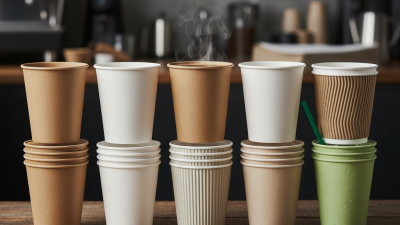
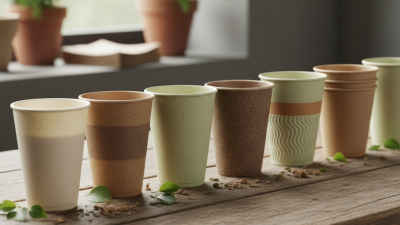
In today's fast-paced world, the choice of beverage containers matters more than ever. A Paper Cup stands out as an eco-friendly option. These cups are made primarily from renewable resources, making them a better choice for the environment. Unlike plastic, they decompose more easily, reducing landfill waste.
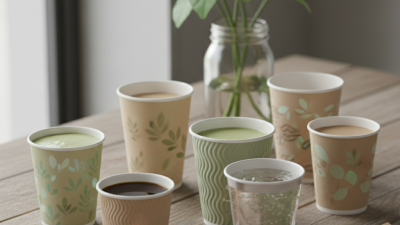
Moreover, a Paper Cup is versatile. It can hold hot or cold beverages, catering to various consumer preferences. Many coffee shops and restaurants use this type of cup for its biodegradable properties. As environmental concerns grow, choosing a Paper Cup demonstrates a commitment to sustainability.
However, it is essential to consider quality. Not all paper cups are created equal. Some may not provide adequate insulation or leakage protection. Customers should research and select brands that prioritize both functionality and eco-friendliness. Making informed choices can lead to a healthier planet, one Paper Cup at a time.
What is a Paper Cup? Understanding its Structure and Materials
Paper cups are a common sight in cafes and events. Understanding their structure and materials can help you see their value. These cups are typically made from layers of paper and a thin plastic lining. The plastic lining serves to hold liquids without leaking. This design allows for both functionality and convenience.
The main material is usually cardboard. Cardboard provides strength and insulation. Many paper cups are made from recycled materials, promoting sustainability. However, the plastic lining complicates recycling. It's important to check local recycling rules to minimize waste. Some manufacturers are exploring alternatives to this lining. For instance, plant-based coatings might offer a better eco-friendly option.
Using paper cups does raise questions about environmental impact. While they are more biodegradable than plastic, single-use items still contribute to waste. People should consider reusable options for daily use. Awareness of these issues can lead to more informed choices. Striking a balance between convenience and the environment is crucial today.
Environmental Impact: Statistics on Paper Cups vs. Plastic Alternatives
Paper cups have gained popularity as a seemingly eco-friendly alternative to plastic. However, the environmental impact of these two types of disposable cups differs significantly. According to a report from the Environmental Protection Agency (EPA), about 25 billion foam cups are thrown away each year in the United States alone. In contrast, paper cups are recyclable but often end up in landfills due to contamination from liquids.
A 2021 study published in the journal Scientific Reports revealed that producing plastic cups generates approximately 2.5 times more greenhouse gases than paper cups over their lifecycle. This may seem like a small difference, but when considering the vast number of cups consumed daily, the impact becomes substantial. However, the recyclability of paper cups depends heavily on local facilities. Many areas lack the capabilities to process these cups due to their plastic lining. This oversight leads to excessive waste, complicating the choice for consumers who want to make environmentally conscious decisions.
Moreover, while paper may seem better, there are nuances. With about 60% of the world’s paper supply coming from virgin sources, deforestation remains a concern. Many consumers are not aware that the production of paper cups can involve heavy water use and energy consumption. Therefore, while opting for paper cups may appear as a sustainable choice, the implications require deeper consideration. Making informed choices demands awareness of the entire lifecycle of these products.
Market Trends: Growth and Adoption of Paper Cups in the Beverage Industry
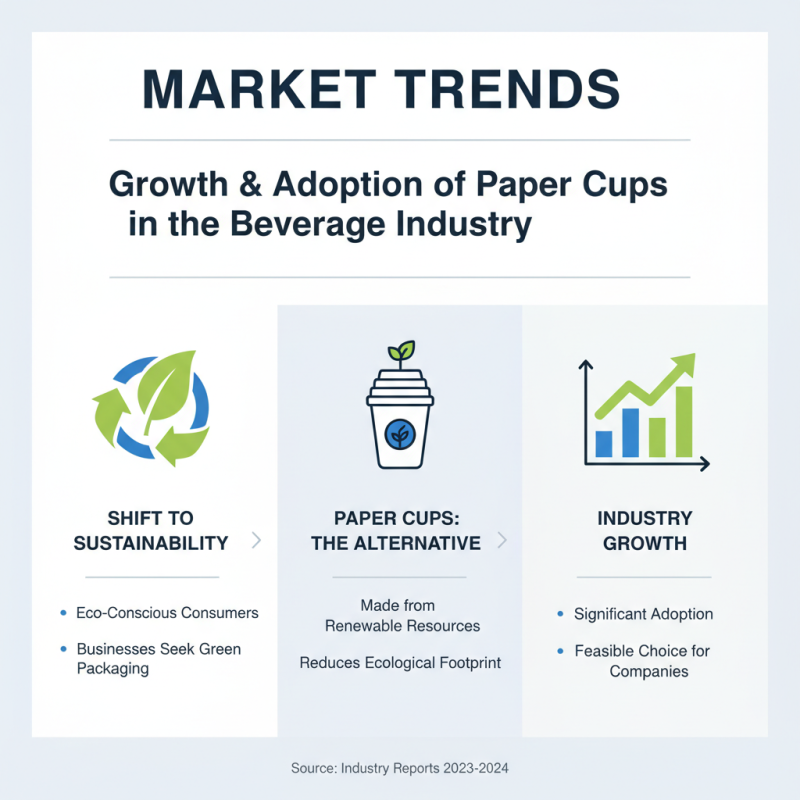
The beverage industry has witnessed significant growth in the adoption of paper cups. As consumers become more environmentally conscious, businesses have begun to seek sustainable packaging solutions. Paper cups, made from renewable resources, have emerged as a popular alternative to plastic. They offer a feasible choice for companies looking to reduce their ecological footprint.
Market trends indicate a growing preference for paper cups among various beverage sectors. Coffee shops and juice bars are leading the way, utilizing paper cups to align with customer values. While many companies have adopted these cups, challenges remain. For instance, ensuring the cups maintain quality while also being compostable is crucial. The balance between functionality and sustainability is an area needing ongoing improvement.
Additionally, pricing concerns often arise. Paper cups typically cost more than plastic options, which may deter some businesses from making the switch. However, as technology advances, production costs may decrease. Investing in paper cups could enhance brand reputation and appeal to eco-conscious consumers. The journey toward wider adoption involves reflection and adaptability in practices.
Health and Safety: Why Paper Cups are a Preferred Choice for Consumers
Paper cups have gained popularity due to increasing consumer awareness surrounding health and safety. In recent surveys, nearly 72% of consumers prefer paper cups over plastic or foam options. This preference relates largely to the perception that paper is less harmful to health. Unlike plastic, paper does not leach harmful chemicals into hot beverages.
Furthermore, paper cups are often viewed as more environmentally friendly. According to industry data, over 60% of consumers are willing to pay extra for products that are biodegradable. While many paper cups are coated, advancements in materials have made it easier to produce cups that break down more efficiently. The ability to recycle and compost paper cups also appeals to eco-conscious consumers.
Nevertheless, challenges remain. Not all paper cups are created equally, and many may not be entirely recyclable due to their plastic linings. Consumers should research brands and seek options that prioritize sustainability. The shift towards paper is notable, but there is room for improvement in ensuring that all paper beverage containers are safe and sustainable.
Recycling and Sustainability: The Lifecycle of a Paper Cup and Its Benefits
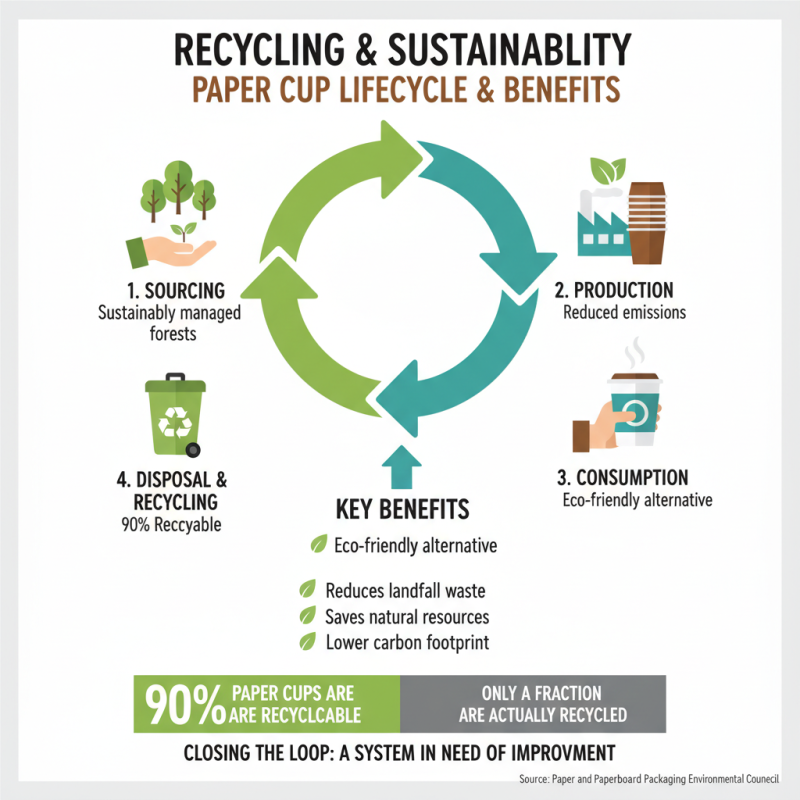
Paper cups have emerged as an eco-friendly alternative in the beverage industry. Their lifecycle showcases significant advantages for recycling and sustainability. According to the Paper and Paperboard Packaging Environmental Council, about 90% of paper cups are recyclable, yet only a fraction actually gets recycled. This highlights a critical gap in the system that calls for improvement.
While paper cups are primarily made from renewable resources, the production process still requires energy and water. A typical paper cup can consume up to 20 liters of water during manufacturing. Despite this, its disposal is less impactful when compared to single-use plastics. The American Forest & Paper Association reports that paper products can decompose within a few months, whereas plastics can linger for hundreds of years.
The material sourcing is also worth considering. Sustainable forestry practices are essential for creating paper cups. This reduces deforestation and promotes a healthier ecosystem. However, the industry faces challenges in balancing production and environmental responsibility. Continuous improvements in recycling technologies and increased consumer awareness can further enhance the sustainability of paper cups. This ongoing dialogue about sustainability is crucial for fostering a more environmentally responsible future.