What is Paperboard Cups and How Are They Made?
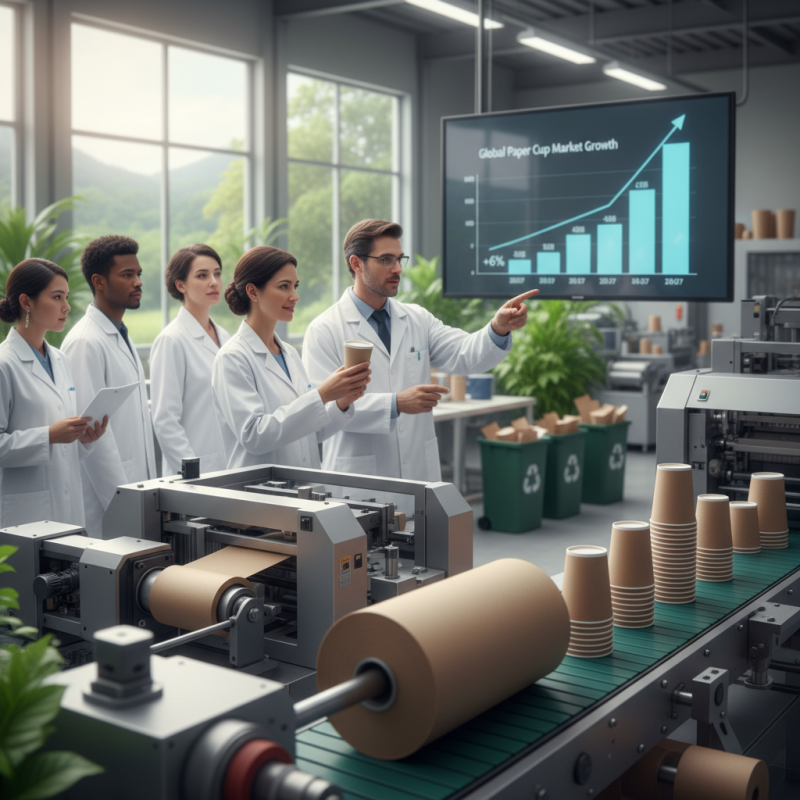
The demand for Paperboard Cups is on the rise as eco-friendly alternatives to plastic continue to gain popularity. According to a recent market report from Smithers Pira, the global market for paper cups is projected to grow by over 6% annually through 2027. This shift reflects heightened consumer awareness regarding environmental issues and the necessity for sustainable packaging solutions.
Industry expert Dr. Emily Chen stated, "The transition to Paperboard Cups is not just a trend; it’s a fundamental change in consumer behavior." As beverage companies seek to enhance their sustainability, the production of paperboard cups is evolving rapidly. These cups are primarily made from natural resources, but the process is not without challenges.
Quality control and sourcing sustainable materials still need attention. The industry must address these concerns while boosting production efficiency. The path towards widespread adoption of Paperboard Cups is filled with potential yet requires commitment to continuous improvement. Transitioning to more sustainable practices involves ongoing exploration and adaptation within the industry.
What Are Paperboard Cups and Their Common Uses?
Paperboard cups are eco-friendly alternatives to traditional plastic cups. Made primarily from recycled materials, they are widely used in the food service industry. Popular in coffee shops, restaurants, and event venues, paperboard cups come in various sizes and styles. Their ability to retain heat makes them ideal for hot beverages like coffee and tea. According to industry reports, the global paper cup market is expected to reach $3 billion by 2026, highlighting their growing popularity.
These cups not only serve practical purposes but also contribute to sustainable practices. Many consumers prefer them over plastic due to their biodegradable nature. In addition to hot drinks, paperboard cups are suitable for cold beverages and snacks. They can hold smoothies, ice cream, and even soups. This versatility is a significant reason for their increasing demand.
Tips: When choosing paperboard cups, consider the thickness for better insulation. Check if they are certified eco-friendly. Remember that proper disposal matters. Lack of awareness about recycling can lead to waste. By being mindful of our choices, we can reduce our environmental impact while enjoying our favorite drinks.
Understanding the Materials Used in Paperboard Cup Production
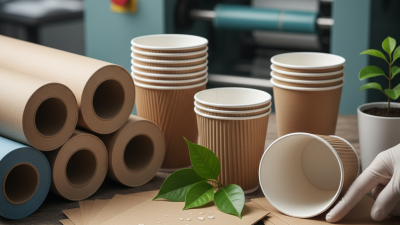
Paperboard cups are made using various materials that are crucial for their structure and functionality. The primary component is paperboard, a thick paper-based material known for its strength. According to industry reports, approximately 80% of paperboard is sourced from sustainable forests. This focus on renewable resources is essential for reducing environmental impact.
In addition to paperboard, many cups are coated with a thin layer of polyethylene or PLA (polylactic acid). This coating is vital for maintaining the cup's integrity, especially when holding liquids. A study indicated that PLA-coated cups can decompose in industrial composting facilities within 90 days. However, the recycling process for these materials can be complex. Many facilities struggle to effectively separate and recycle these coated versions, leading to waste.
Another aspect to consider is the production process. Most paperboard cups undergo a manufacturing process that typically involves printing, cutting, and molding. Data shows that around 5 million tons of paper cups are produced annually worldwide. Yet, the energy consumption during production raises concerns about sustainability. The industry must find ways to optimize processes to lessen their carbon footprint while meeting consumer demands.
What is Paperboard Cups and How Are They Made?
| Material |
Description |
Sourcing |
Environmental Impact |
| Paperboard |
A thick, durable material made from recycled paper fibers. |
Sourced from sustainably managed forests and recycling programs. |
Biodegradable and recyclable, reducing landfill waste. |
| PLA Coating |
A bioplastic made from cornstarch, used for water resistance. |
Derived from renewable resources, primarily corn. |
Compostable under industrial conditions, reducing plastics pollution. |
| Inks and Printing |
Non-toxic inks used for branding and designs on cups. |
Sourced from certified suppliers adhering to safety standards. |
Low environmental impact when using biodegradable inks. |
| Additives |
Materials added for flexibility, strength, and thermal resistance. |
Palatable materials that comply with FDA safety standards. |
Careful selection minimizes potential environmental risks. |
The Step-by-Step Manufacturing Process of Paperboard Cups
The manufacturing process of paperboard cups involves several key steps. First, raw materials like paperboard are sourced. This paperboard is typically made from recycled fibers, highlighting sustainability. In fact, the paperboard cup market has seen a rise of over 6% annually, indicating strong consumer demand for eco-friendly products.
Next, the paperboard is printed and die-cut into cup shapes. The precision in cutting is crucial, as even a small error can compromise the cup's integrity. After that, the cups are formed using high-speed machinery that shapes and glues the edges. This stage requires meticulous attention to quality control. According to industry reports, about 10% of cups produced may fail quality tests.
Once shaped, the cups undergo a coating process to prevent leakage. This coating, often made from a biodegradable material, adds an additional layer of complexity. Recent findings suggest that about 80% of consumers prefer cups that are both functional and environmentally friendly. However, challenges persist in balancing material strength and sustainability, leaving room for innovation and improvement in cup manufacturing methods.
Advantages of Using Paperboard Cups Over Other Types of Cups
Paperboard cups are gaining popularity for various reasons. One key advantage is their sustainability. According to a report by the Paper and Paperboard Packaging Environmental Council, paperboard cups have a lower carbon footprint compared to plastic alternatives. They are made from renewable resources, making them a great choice for eco-conscious consumers.
Another essential benefit is their biodegradability. Unlike foam or plastic cups, which can take hundreds of years to decompose, paperboard cups break down within months. This transition reduces landfill waste significantly. Research indicates that using biodegradable materials can decrease overall environmental impact by up to 60%. Many companies are now opting for paperboard cups to appeal to eco-friendly customers.
**Tip:** When choosing paperboard cups, consider those made from recycling paper. They often have a smaller environmental footprint.
Despite these advantages, some challenges exist. The production process of paperboard cups can be resource-intensive, and quality varies significantly. It can be difficult to find reliable suppliers that balance cost and sustainability.
**Tip:** Always check the certifications of your suppliers to ensure quality and environmental standards are met.
Environmental Impact and Sustainability of Paperboard Cup Production
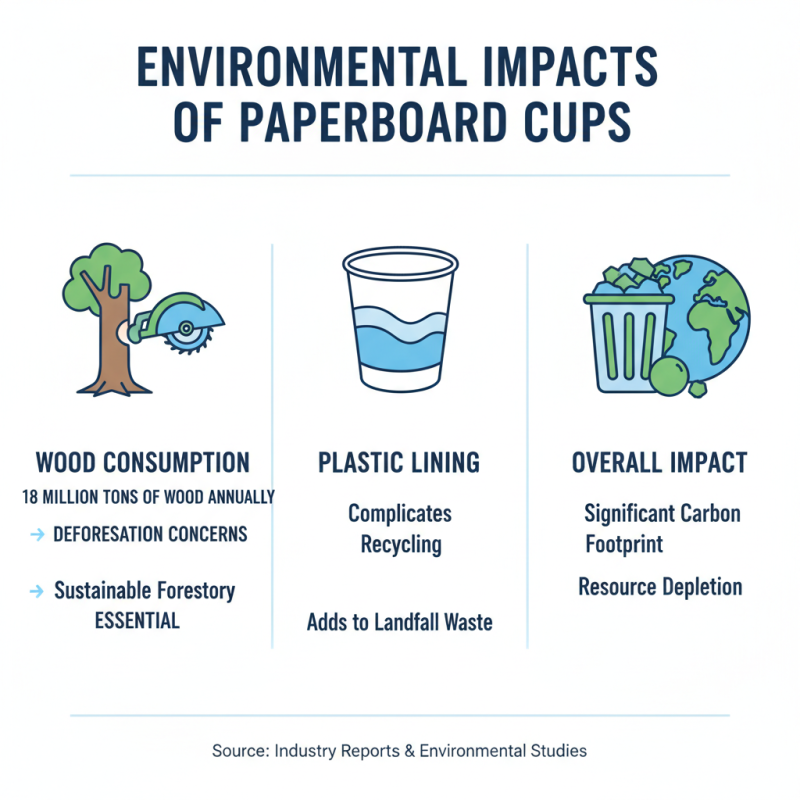
The production of paperboard cups has notable environmental impacts. The paperboard industry utilizes around 18 million tons of wood annually. This significant demand raises concerns about deforestation. Sustainable forestry practices are essential to mitigate this issue. Additionally, paperboard cups are often lined with plastic, complicating recycling efforts and adding to landfill waste.
Despite these challenges, advancements in sustainability are promising. Research shows that using recycled fibers can reduce energy consumption by up to 50%. Some manufacturers are exploring biodegradable alternatives. Yet, these innovations are not widespread. The cost of transitioning to eco-friendly materials can deter companies.
Consumer awareness is growing, demanding more sustainable options. Studies indicate that over 70% of consumers prefer environmentally friendly products. This trend encourages companies to invest in sustainable practices. However, without stricter regulations, many remain hesitant to change. The search for balance between production efficiency and environmental responsibility continues.