Why Are Paper Cups Popular for Hot Beverages?
Paper cups have become a staple for hot beverages across cafes and restaurants. Their convenience and functionality have widely contributed to this trend. According to Dr. Emily Carter, an expert in sustainable packaging, “Paper cups serve as an eco-friendlier option for on-the-go consumers.” This highlights a growing preference for alternatives to plastic.
Many people enjoy the warmth of a hot drink in a paper cup. The lightweight nature and insulating properties of paper make it a practical choice. While it is easy to overlook, the importance of design cannot be ignored. A well-designed paper cup can enhance a customer’s experience. However, not all paper cups are created equal, and some are still lined with plastic. This inconsistency raises questions about their sustainability.
Environmental concerns are increasingly relevant. Some experts argue that paper cups contribute to deforestation. The recycling process often remains underutilized. While many enjoy the convenience, we must reflect on the impact of our choices. Are paper cups truly the sustainable solution we believe they are? As the industry evolves, consumers need to stay informed and demand better options.
The Advantages of Paper Cups Over Other Materials for Hot Beverages
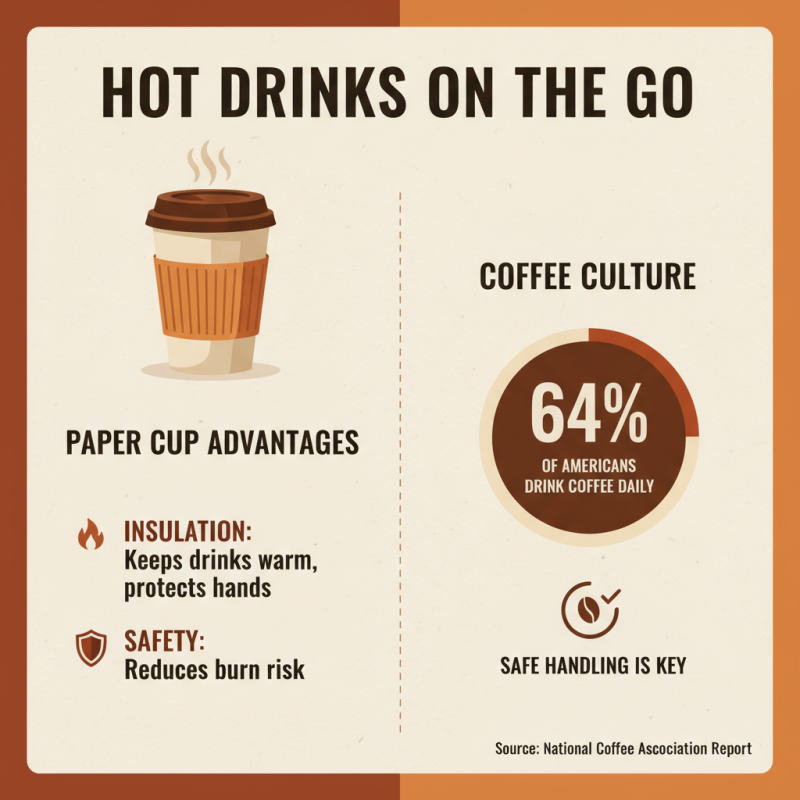
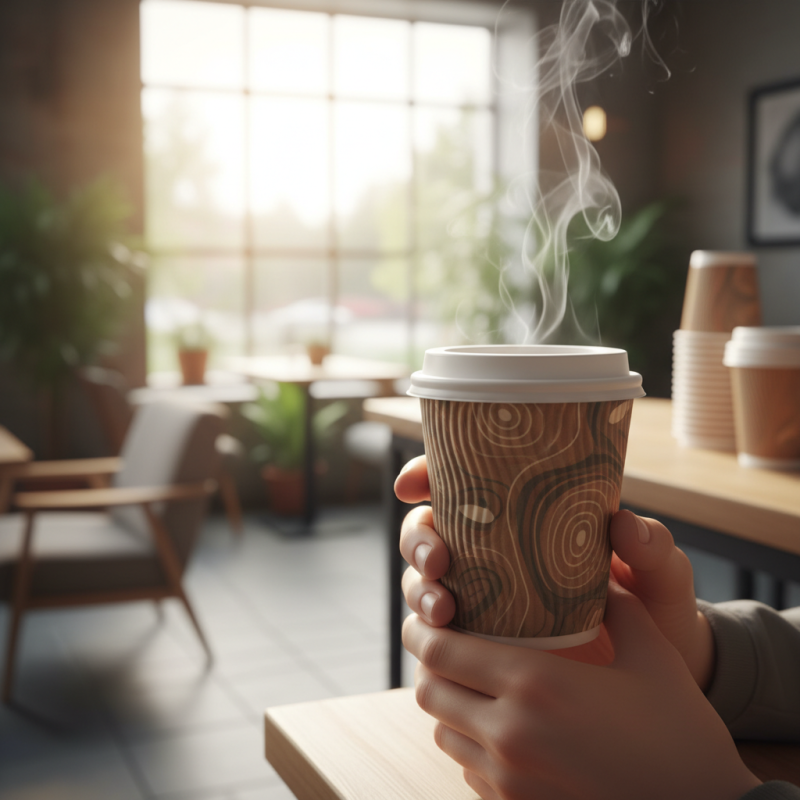
Paper cups have become a go-to choice for hot beverages in coffee shops and restaurants. One reason for their popularity is insulation. Paper cups offer decent heat retention and protection against burns. According to a report by the National Coffee Association, about 64% of Americans drink coffee daily. With so many people enjoying hot drinks, safe handling is crucial.
Another advantage is sustainability. Many paper cups are made from renewable resources and are recyclable. The Environmental Protection Agency reports that approximately 29% of paper and paperboard products were recycled in 2020. However, the effectiveness of recycling depends on local facilities. A lack of recycling options can lead to waste issues. This leaves room for improvement in the industry.
Moreover, consumer preference plays a key role. A survey indicates that 71% of respondents favor paper cups over plastic when ordering drinks. The feel, look, and even aroma of the beverages enhance the experience. Yet, not all paper cups are created equal. Some don't hold up well under heat and can leak. Addressing these issues can elevate the appeal further.
The Role of Insulation in Paper Cups for Temperature Retention
Paper cups have surged in popularity for serving hot beverages. This trend can largely be attributed to their effective insulation properties. Insulation is crucial for maintaining the drink's temperature, ensuring that coffee or tea stays hot for longer periods. Research indicates that a properly insulated paper cup can retain heat for up to 45 minutes. This characteristic is a significant advantage over many plastic or styrofoam options.
The design of paper cups includes a layered structure, often featuring an air gap that enhances insulation. This air gap acts as a barrier, reducing heat transfer and keeping beverages hotter for longer. Studies have shown that this method improves temperature retention by nearly 30% compared to other disposable materials. However, it is essential to consider that not all paper cups are created equal. Some cheaper variants may compromise insulation standards.
Another interesting point is the impact of temperature on flavor. Experts suggest that a beverage's aroma and taste can diminish if it cools too quickly. The optimal drinking temperature for coffee is around 130-160°F. A well-insulated paper cup helps preserve this range, enhancing the drinking experience. Despite advancements, there is still room for improvement in terms of sustainability and insulation effectiveness. The industry continues to face challenges concerning the environmental impact of paper production and waste management.
Why Are Paper Cups Popular for Hot Beverages?
This chart illustrates the temperature retention of hot beverages in paper cups over a period of 20 minutes. As time progresses, the temperature decreases gradually, showcasing the insulation properties of paper cups that help maintain the heat of the beverage.
Environmental Considerations: Sustainability of Paper Cups
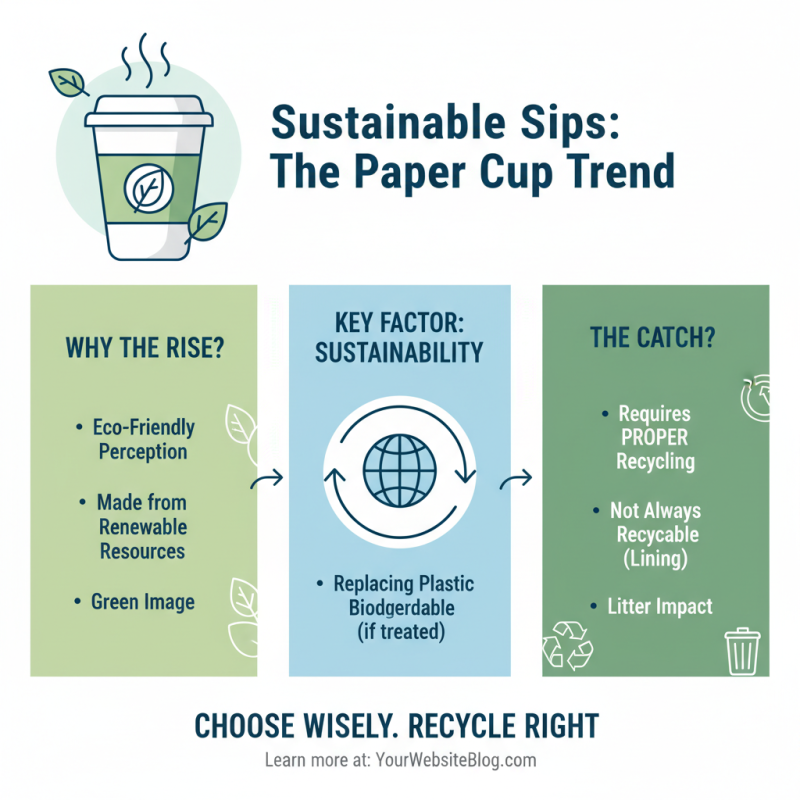
The popularity of paper cups for hot beverages has surged in recent years. One key factor driving this trend is the increasing focus on environmental sustainability. Paper cups are often perceived as more eco-friendly than plastic alternatives. They are typically made from renewable resources, which gives them a green image. Yet, their sustainability depends on proper recycling practices.
However, the reality of recycling paper cups is complex. Many paper cups are lined with plastic to prevent leaks. This lining complicates the recycling process. Some facilities cannot process them at all. Furthermore, even when they are recyclable, contaminated cups from cafes often end up in landfills. This raises questions about their true environmental impact.
People need to reflect on their choices. While paper cups can be an improvement over plastic, they are not a perfect solution. It is essential to explore alternatives like reusable containers. Such options can significantly reduce waste. Ultimately, sustainability should be about making informed choices, rather than just shifting from one material to another.
Consumer Preferences and Trends in Hot Beverage Packaging
The rise of paper cups for hot beverages reflects changing consumer preferences. Recent studies indicate that over 60% of consumers prioritize eco-friendly packaging. They seek options that reduce their environmental impact. Paper cups made from renewable resources align with these values, contributing to their popularity.
Consumers also appreciate the convenience of paper cups. About 45% favor lightweight materials that are easy to carry. They find this particularly useful during busy mornings or while commuting. However, the quality of heat retention is sometimes questioned. Some customers find paper cups less effective than their plastic counterparts. This prompts a search for improved designs.
A survey highlighted that 70% of consumers prefer packaging that keeps beverages hot longer. Additionally, many have expressed concerns about taste transfer in paper materials. While the majority are satisfied, there is still room for enhancement. Manufacturers could focus on better insulation and quality. Addressing these factors might further boost paper cup appeal.
The Influence of Branding and Design on Paper Cup Popularity
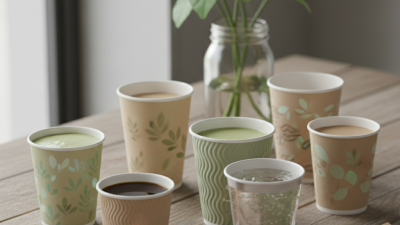
Paper cups have become a staple for hot beverages, largely due to their branding and design. Many brands invest heavily in creating eye-catching visuals. Bright colors and unique patterns draw attention. This strategy goes beyond just design; it creates a memorable experience for consumers.
On the shelf, paper cups compete for attention. A well-designed cup can signal quality. It tells a story about the beverage inside. People often prefer drinks in attractive containers, associating them with premium quality. However, not every design resonates. Sometimes, simple designs can leave consumers wanting more.
Tips for effective paper cup design include focusing on brand identity. Make sure the design reflects what the brand stands for. Use vibrant colors, but don’t overwhelm the message. Remember, clarity and simplicity can often outperform complexity.
Test your designs with a focus group to gather feedback. It’s important to evaluate what works and what doesn't before printing. Consider how the cup feels in hand, as it affects the overall experience. A user-friendly design enhances enjoyment, while awkward shapes can deter consumers.