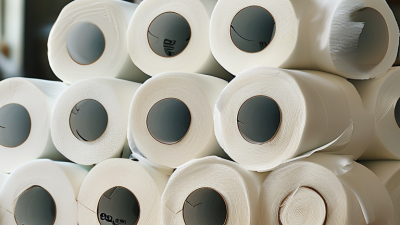
How to Source High Quality Cardboard Paper Roll for Your Business?
In the ever-evolving packaging industry, sourcing high-quality Cardboard Paper Roll is crucial for any business. As Jack Thompson, a leading expert in sustainable packaging solutions, once said, "The foundation of effective packaging lies in the materials you choose." This statement rings true as companies strive to meet both quality standards and environmental demands.
Selecting the right Cardboard Paper Roll involves several considerations. Factors like thickness, strength, and recyclability are vital. Businesses often overlook these details, leading to waste and inefficiency. A poor choice can affect not only logistics but also customer perception. When done right, however, high-quality rolls enhance product protection and brand image.
The market offers many options, but not all meet stringent quality requirements. Companies should engage suppliers who demonstrate reliability and expertise. Building relationships with these suppliers fosters a better understanding of specific needs. Constantly evaluating their materials helps ensure long-term success in the packaging sector.
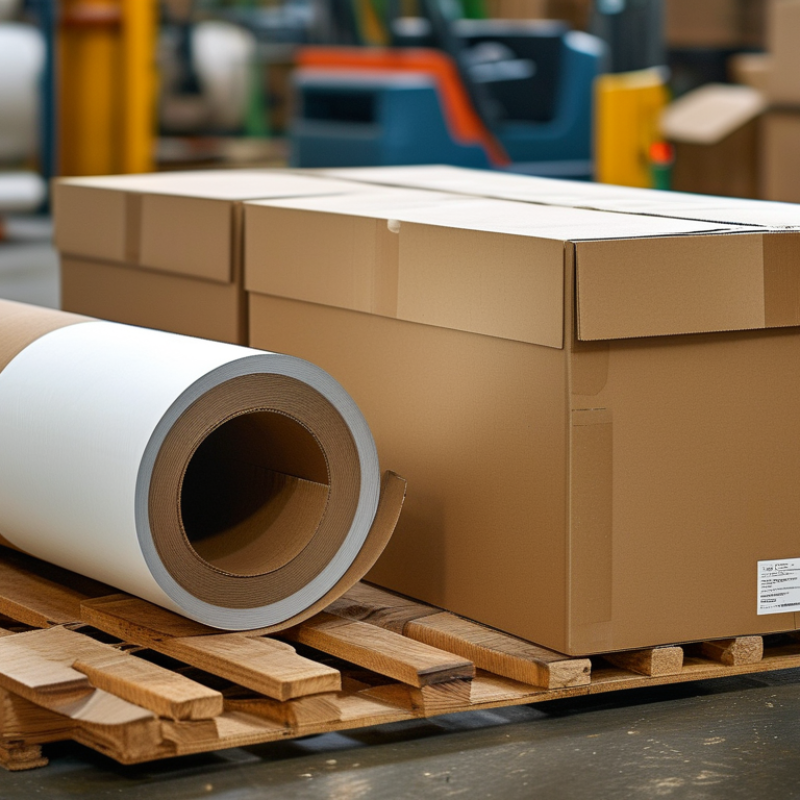
Identifying Your Business Requirements for Cardboard Paper Rolls
When sourcing high-quality cardboard paper rolls, it's crucial to identify your business requirements first. Consider the specifications that matter most to your operations. Are you packaging fragile items? Or is weight capacity more important? Knowing these factors helps narrow down your choices effectively.
Assess your production volume. A small business may need smaller rolls, while larger companies might opt for bulk purchases. Evaluate the thickness of the cardboard paper. Thicker rolls often provide better protection, but they can also be heavier and harder to work with. You could maintain a balance between durability and usability based on your unique needs.
Don't ignore environmental considerations. Sustainable materials are increasingly important. Reflect on how your choice affects not just your business, but also the planet. Discuss these requirements with suppliers. Sharing your specific needs can ensure you receive the right product. Also, be open to feedback; it can shed light on alternatives you might not have considered.
Evaluating Suppliers for Quality and Reliability
When evaluating suppliers for cardboard paper rolls, quality is paramount. Always request samples before making a bulk order. Inspect the samples for thickness, durability, and printability. A robust paper roll should not easily tear or wrinkle under pressure. Consider how the roll fits in your production line. The right dimensions can save time and reduce waste.
Reliability is equally vital. Look for suppliers with a consistent track record. Check customer reviews and industry ratings. Reach out to businesses within your network for recommendations. It can be helpful to verify their delivery times. Timely deliveries minimize production halts and maintain product flow.
Find out about their sourcing practices. Responsible suppliers often ensure sustainable sourcing. Ask about their certifications. Reliable suppliers should be transparent about their processes. Be mindful, though. Some may exaggerate their claims. It's crucial to ask the right questions and dig deeper to uncover the truth.
Cardboard Paper Roll Quality Evaluation
Understanding Different Types of Cardboard Paper Rolls
When sourcing high-quality cardboard paper rolls, it's crucial to understand the various types available. Cardboard paper rolls can be categorized into different grades. These include kraft, recycled, and chipboard varieties. Each type serves distinct purposes in packaging, industrial applications, or crafts. According to recent industry reports, the global cardboard market is projected to grow at a CAGR of over 3%, highlighting the rising demand for sustainable packaging solutions.
Kraft rolls are renowned for their strength and durability. They are perfect for packaging heavy items. Recycled rolls, made from post-consumer waste, are gaining traction due to their eco-friendly appeal. However, they may not always meet the same strength standards as virgin materials. Chipboard rolls are lighter but less robust, making them ideal for lightweight products. Assessing your specific needs is essential for selecting the right type.
Tip: Always request samples before making bulk purchases. This helps verify the quality of the cardboard. Additionally, check the supplier’s certifications to ensure environmental compliance. Remember, the wrong choice can lead to increased costs and wasted resources. Conducting thorough research before sourcing can prevent potential setbacks in production workflow.
Assessing Pricing and Negotiation Strategies
When sourcing high-quality cardboard paper rolls, pricing is a key factor. Understanding market prices helps in making informed decisions. Seek out multiple suppliers to compare rates. This approach not only provides insights into fair pricing but also helps in identifying potential negotiating points.
Negotiation strategies should focus on building relationships. Establishing rapport with suppliers can lead to better deals. Share your business needs clearly. This transparency can encourage suppliers to offer tailor-made solutions, potentially at lower rates. Always be ready for counteroffers. Consider asking for bulk discounts or better payment terms.
While aiming for cost-effectiveness, quality must not be compromised. Sometimes, the cheapest option may not meet your standards. Balancing quality and price is essential. It requires ongoing reflection and adjustment of your approach. If you notice lower-quality materials affecting your products, reassess your supplier choices.
Establishing Long-term Relationships with Suppliers
Establishing long-term relationships with suppliers can significantly enhance your ability to source high-quality cardboard paper rolls. A strong partnership creates trust and ensures a steady supply of materials that meet your business needs.
Be transparent about your needs and expectations. Clearly communicate your quality standards and any specific requirements. This clarity helps suppliers to tailor their offerings. Regular check-ins can also keep the lines of communication open. Your suppliers will appreciate the feedback, both positive and constructive. Feedback fosters growth and improvement on both sides.
Invest time in understanding your supplier's operations. Visit their facilities if possible. Building a rapport can lead to better pricing and priority service. Additionally, support them when challenges arise. Understanding their struggles demonstrates commitment. Suppliers may be more willing to go the extra mile for you in the future. Keep in mind that not every interaction will go smoothly. Reflect on these moments to improve future dealings.