Essential Tips for Using Cardboard Sheets Effectively?
Cardboard sheets are becoming increasingly popular in various industries. Reports indicate that the global cardboard packaging market is expected to reach $300 billion by 2025. This growth highlights the vital role of cardboard sheets in efficient packaging solutions. From shipping boxes to retail displays, their versatility is unmatched.
Despite their benefits, many users overlook key practices. Proper cutting techniques can maximize material usage. Often, mistakes lead to waste, undermining cost-efficiency. It is essential to apply accurate measurements before making cuts. Additionally, utilizing right adhesives ensures durability in construction.
Cardboard sheets can also be recycled, contributing to sustainability. However, improper disposal can negate these benefits. Users must be proactive in separating materials. Reflecting on these points can enhance your practice significantly while reducing environmental impact. Effective use of cardboard sheets requires both creativity and responsibility.

Choosing the Right Type of Cardboard Sheets for Your Project
When choosing cardboard sheets for your project, it's crucial to consider the type and thickness needed. According to a recent report by the Paper and Paperboard Packaging Environmental Council, nearly 90% of all manufacturing utilizes some form of cardboard. This shows its importance in various applications. For lightweight projects, corrugated cardboard might work best. It's easy to cut and very versatile.
Thickness is also key. Standard thickness ranges from 0.12 to 0.25 inches. Many DIY enthusiasts overlook this detail. If you choose too thin, the durability could suffer. Meanwhile, thicker sheets provide strength but may be harder to manipulate. Be sure to assess your project's requirements carefully.
Not all cardboard is created equal. Recycled cardboard can be a more sustainable choice, but it might lack the sturdiness of fresh sheets. Industry studies suggest that recycled cardboard has a compression strength of about 32 to 48 psi. This means it could compress easily under pressure, which may not be ideal for all projects. Reflecting on these attributes can significantly enhance your project's success.
Preparing Cardboard Sheets for Optimal Use: Techniques and Tools
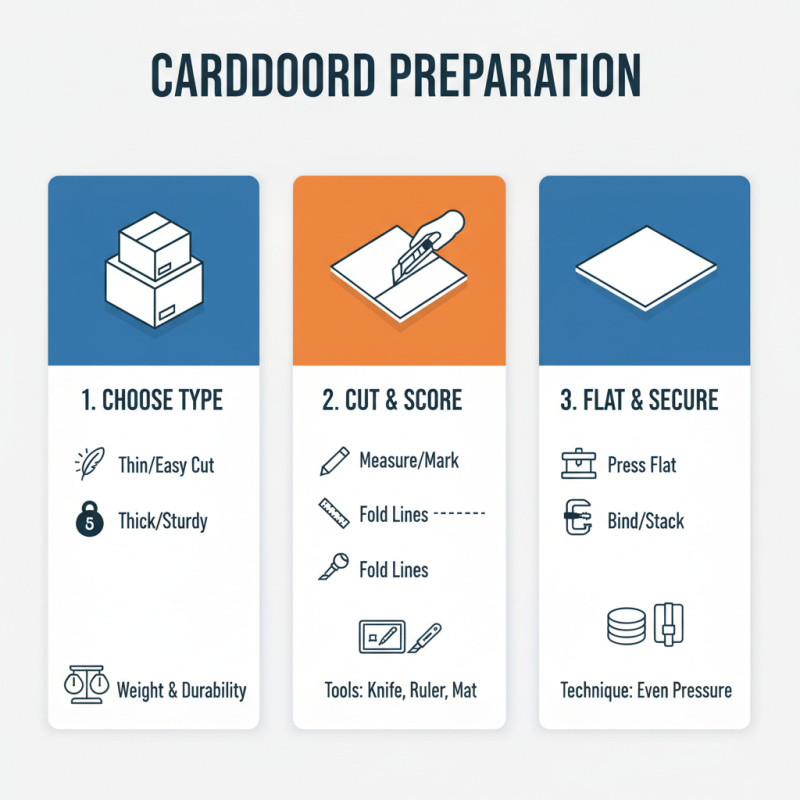
Preparing cardboard sheets for optimal use requires thoughtful techniques and essential tools. Start by choosing the right type of cardboard. Not all cardboard is created equal. Some are thinner and easier to cut, while others are thicker and sturdier. Examining weight and durability helps in selecting the best option for your project.
Cutting cardboard can be tricky. A standard utility knife works, but a specialized cardboard cutter simplifies the task. Measure and mark your cutting lines precisely. Uneven cuts ruin the aesthetics and functionality of your project. Sometimes, I rush this step, only to regret it later when the edges are jagged.
Once cut, consider reinforcing the sheets. Use glue or tape for extra support. This may seem like an extra step, but it can make a huge difference. Sometimes, I forget to do this and then regret it during assembly. Use a ruler and a straight edge when applying adhesive. This ensures a neat finish. Remember, preparation may take time, but it enhances the final result significantly.
Creative Ways to Cut and Shape Cardboard Sheets with Precision
Cardboard sheets are versatile materials, perfect for both art projects and practical applications. Cutting and shaping these sheets with precision can elevate your creations. According to the American Institute of Graphic Arts (AIGA), over 55% of paper and cardboard used in the arts is underutilized. This shows that many still don't harness the potential of cardboard effectively.
When cutting cardboard, precision tools are essential. A sharp utility knife or a precision cutter allows for cleaner edges. Using a metal ruler can stabilize your cuts. Additionally, consider scoring the cardboard before cutting. This technique ensures accuracy and prevents jagged edges. Many DIY enthusiasts often overlook the importance of patience. Rushing can lead to mistakes and wasted material.
Shaping cardboard is an art. Using templates can help maintain consistency in your designs. However, not all techniques yield the expected results. Sometimes the cardboard bends unpredictably. Always test your methods. A futile attempt can provide insight for your next project. Balancing creativity with precision can be challenging, but the process is rewarding.
Essential Tips for Using Cardboard Sheets Effectively
Decorating and Finishing Cardboard Sheets for Enhanced Aesthetics
When it comes to decorating cardboard sheets, creativity is key. A simple coat of paint can transform a dull sheet into a vibrant masterpiece. Use acrylic paints for bright colors. Consider layering colors for depth. Don't worry if your strokes aren’t perfect; the imperfections add character.
Another effective method is adding texture. Try gluing fabric scraps or lace onto the cardboard. It creates a unique tactile experience. You can also use stencils. They help in creating intricate patterns. However, sometimes, the paint may bleed under the stencil. Embrace it as a happy accident!
Lastly, finishes play a crucial role. A matte or glossy finish can greatly enhance the aesthetics. Spray varnish or Mod Podge can protect your work, too. These can also alter the texture, making it more appealing. Just remember, your project may not always turn out as envisioned. It’s all part of the creative journey.
Sustainable Disposal and Recycling of Used Cardboard Sheets
Cardboard sheets are widely used in various applications, but what happens after their use? Proper disposal and recycling are crucial for sustainability. Individuals should consider separating used cardboard from other waste. This simple act can significantly impact local recycling rates.
To recycle effectively, clean and dry cardboard sheets are essential. Contaminants like food residues can hinder the recycling process. It's disappointing when easily recyclable materials end up in landfills. Organizations often provide specific guidelines for cardboard recycling. Understanding these rules can make a difference.
Consider local recycling options. Some communities offer drop-off centers. Others have curbside programs. However, a lack of awareness can lead to confusion. People may not know where to take their used cardboard. Engaging with local initiatives can enhance understanding. Each small effort in recycling contributes to a larger goal of sustainability.