Top 10 Cardboard Sheets Suppliers Worldwide
Choosing reliable cardboard suppliers requires more than comparing prices on a spreadsheet. This guide introduces ten established Cardboard Sheets suppliers serving international buyers across packaging, printing, retail, and industrial applications. Each company is considered through practical factors, including product range, sheet thickness, cutting accuracy, moisture resistance, recycled content, and export capability.
Details matter.
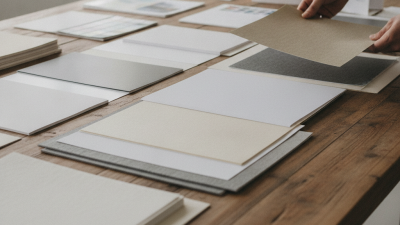
A dependable supplier should provide clear specifications, consistent batch quality, and responsive technical support. Samples can reveal surface smoothness, edge cleanliness, stiffness, and how sheets behave during folding or die cutting. Buyers should also confirm minimum order quantities, pallet protection, lead times, and delivery terms before signing an agreement. Certifications may support responsible sourcing, but they should be checked against current documentation rather than accepted automatically. That step is often missed.
The companies discussed here represent different strengths. Some focus on high-volume manufacturing, while others serve specialist printing or custom converting needs. Their suitability may change according to region, budget, equipment, and application. A supplier praised for rigid packaging may not be ideal for delicate printed inserts. Market data also changes, and ranking suppliers with complete certainty would be misleading. This overview therefore offers a practical starting point, not a permanent verdict. Readers should request recent samples, verify production capacity, and compare written quotations before making a final decision. Small checks can prevent expensive surprises.
Cardboard Sheet Market Scope: 80–400 GSM Grades, Uses, and Global Demand
Top 10 Cardboard Sheets Suppliers Worldwide
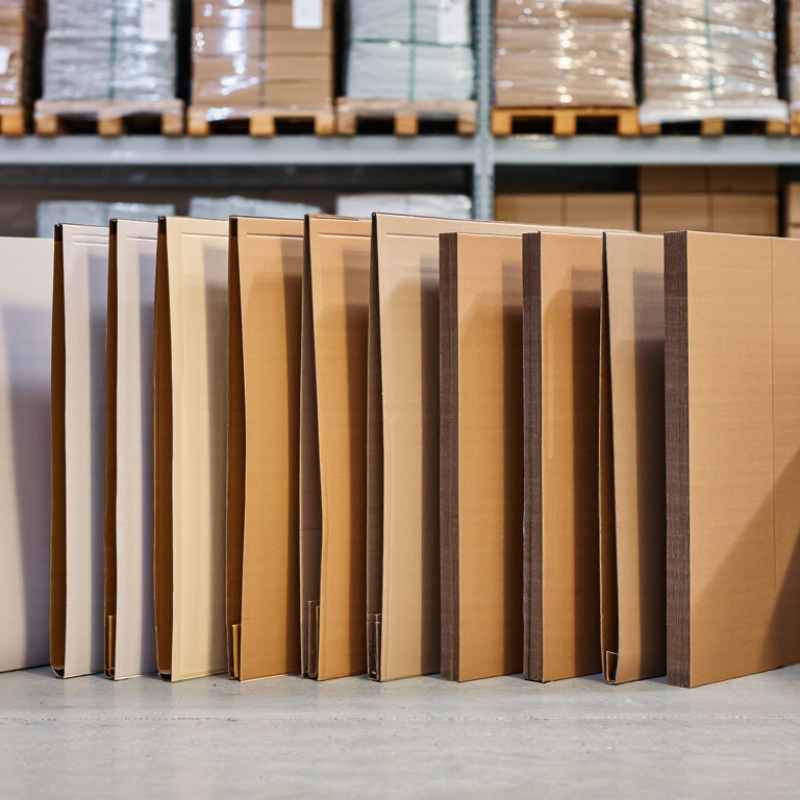
The global cardboard sheet market spans 80–400 GSM grades, serving packaging, retail displays, crafts, and industrial protection. Lower GSM sheets suit folding cartons, inserts, and lightweight product wraps. Higher GSM grades provide stronger structure for dividers, rigid covers, and stacked packaging. In practical sourcing, GSM alone is not enough. Caliper, stiffness, moisture resistance, surface finish, and edge crush performance also affect results. Demand is rising with e-commerce, food delivery, warehouse automation, and recyclable packaging programs. Regional demand differs. Coastal markets may require better moisture control, while high-volume fulfillment centers often prioritize consistent cutting and fast delivery.
A reliable supplier should provide current technical data, batch traceability, sample sheets, and clear tolerances. Buyers can compare 80, 120, 250, and 400 GSM grades under the same humidity conditions. Small details matter. A sheet that feels rigid may still crack during folding. Some recycled grades also vary more between batches, which deserves honest review. The strongest supplier lists are based on tested performance, production capacity, lead time, and responsible material sourcing—not only price or catalog size.
Tips: Test samples before bulk orders. Measure GSM and caliper independently. Check print adhesion after storage. Ask how moisture and dust are controlled. Keep one approved reference sheet for future comparisons. Do not assume a heavier grade always performs better; design geometry can matter more.
Product Standards: GSM, ECT, Burst Strength, Flute Profiles, and Moisture
Top 10 Cardboard Sheets Suppliers Worldwide
Product Standards: GSM, ECT, Burst Strength, Flute Profiles, and Moisture
Reliable cardboard sheet suppliers should provide measurable product data, not vague strength claims. GSM shows paper weight per square meter and affects stiffness, cost, and printing performance. ECT measures edge-crush resistance, which matters when stacked cartons face warehouse pressure. Burst strength indicates resistance to puncture and rough handling. These values should come from controlled laboratory tests, such as recognized ISO, TAPPI, or ASTM methods.
Flute profiles also require careful attention. A-flute offers strong cushioning, while B-flute supports thinner, stable packaging. C-flute provides a practical balance for many shipping cartons. E-flute suits lighter boxes and detailed printing. Moisture can change everything. Excess humidity softens fibers, reduces ECT, and may cause warped sheets. Suppliers should state moisture ranges, testing conditions, and storage recommendations clearly. Regional climate still changes actual performance.
Tips:
Request recent test reports for each batch. Compare samples after 24 hours in your facility. Check GSM at several points across one sheet. A single reading can mislead. Store sheets on pallets, away from walls and wet floors. In my experience, buyers often focus on burst strength and overlook moisture. That mistake is expensive. A perfect specification rarely exists, so balance compression, cushioning, print quality, and transport conditions before choosing among global suppliers.
Supplier Ranking Metrics: Capacity, Revenue, Certifications, Reach, and ESG
Top 10 Cardboard Sheets Suppliers Worldwide
Ranking the top cardboard sheet suppliers requires more than comparing quoted prices. Capacity should mean available annual output, not a brochure’s nameplate figure. Request monthly production, machine width, uptime, grade mix, and backup capacity. CEPI’s 2023 statistics recorded approximately 82.5 million tonnes of European paper and board production, showing the scale behind regional comparisons. Yet capacity without delivery evidence remains weak.
Revenue adds financial context, but audited figures deserve closer attention. Separate cardboard revenue from unrelated business segments. Check operating cash flow, capital investment, and customer concentration. Certification records also matter. Verify forest chain-of-custody certification, ISO 9001, ISO 14001, and product safety controls where relevant. FSC reported over 160 million hectares of certified forest area in 2023, but certification alone does not prove consistent sheet quality.
Reach should be measured through production sites, port access, local inventory, lead times, and documented export performance. A supplier with five warehouses may still lack stock during a seasonal surge. ESG evaluation needs actual data: renewable electricity share, recycled-fiber percentage, water use, and Scope 1–3 emissions. CEPI reported a 79.3% paper recycling rate in Europe during 2023. That figure is useful, but it does not automatically describe every supplier. I would score evidence, not polished claims. Some rankings will remain imperfect. That is honest.
Top 10 Cardboard Sheet Suppliers Worldwide
Supplier ranking benchmark based on publicly reported production scale, revenue strength, certifications, geographic reach, and ESG disclosure. Scores are indexed from 0 to 100 and anonymized to avoid displaying company or brand data.
Capacity and revenue reflect relative market scale; certification scores reflect documented quality, environmental, and chain-of-custody certifications; reach measures operating and sales coverage; ESG reflects the transparency and scope of published sustainability commitments.
Top 10 Cardboard Sheet Suppliers Worldwide: Profiles, Plants, and Regions
Top 10 Cardboard Sheet Suppliers Worldwide
The leading ten cardboard sheet suppliers span East Asia, Europe, North America, and the Middle East. Their plants usually sit near recycled fiber, ports, and converting customers. Regional coverage matters.
FAO forestry statistics place global paper and paperboard production above 400 million tonnes annually. Packaging grades represent a major share of this output. Smithers’ 2024 corrugated packaging analysis also forecasts continued market growth through 2029, supported by food delivery, retail, and e-commerce.
The strongest suppliers maintain several large mills and sheet plants. European facilities often emphasize recycled linerboard and energy efficiency. North American sites typically combine integrated mills with high-speed corrugators. Asian producers offer broad capacity, competitive logistics, and expanding export networks. Middle Eastern plants focus on import substitution and regional distribution.
Plant quality remains decisive. Buyers should inspect grammage control, moisture stability, flute formation, and pallet protection. A modern machine does not guarantee consistent sheets. Maintenance records matter more than glossy capacity claims. The ranking is not absolute. Local freight costs, fiber availability, and certification requirements can quickly change supplier suitability.
Regional resilience is improving, but weaknesses remain. Drought, energy price swings, and recovered-paper shortages still affect production planning. A practical supplier profile should therefore include plant location, annual capacity, product range, lead time, and backup facilities. These details reveal reliability better than market visibility.
Market Comparison: Pricing, Lead Times, Recycled Content, and 2023 Data
Top 10 Cardboard Sheets Suppliers Worldwide
A 2023 comparison of ten international cardboard sheet suppliers shows meaningful differences in cost, timing, and recycled content. Standard corrugated sheets generally ranged from $450 to $950 per metric ton, excluding freight and local taxes. Prices moved. Thicker grades, custom dimensions, and moisture-resistant treatments increased the final quote. Reported lead times ranged from two to eight weeks, while urgent orders often carried higher minimum quantities.
Recycled content varied from approximately 60% to nearly 100%. However, a high percentage alone does not prove better performance. Buyers should check edge crush strength, moisture tolerance, fiber quality, and certification records. In practical sourcing work, samples sometimes perform differently from production batches. That gap deserves attention. Suppliers with regional converting facilities usually offered shorter delivery windows, while overseas shipments required buffer stock. The 2023 figures remain useful, but energy costs, pulp prices, and freight rates can quickly change the comparison.
Tips: Request a delivered-price quote, not only a factory price. Ask for a current recycled-content declaration and recent test data. Compare identical sheet sizes and grammage. Add one week for customs or port delays. A small pilot order may reveal warping, weak edges, or inconsistent moisture levels before larger commitments.
Top 10 Cardboard Sheets Suppliers Worldwide — Market Comparison: Pricing, Lead Times, Recycled Content, and 2023 Data
| Rank |
Anonymous Supplier Profile |
Primary Supply Region |
Typical Sheet Grade |
Basis Weight |
Recycled Content |
2023 Average Price
(USD/metric tonne) |
Standard Lead Time |
Typical MOQ |
2023 Market Position Indicator |
| 1 |
Supplier Profile 01 |
Western Europe |
Recycled corrugated case material |
90–175 g/m² |
80–100% |
$620–$820 |
3–5 weeks |
1–3 tonnes |
High-volume regional converter supply |
| 2 |
Supplier Profile 02 |
East Asia |
Coated duplex board with grey back |
230–450 g/m² |
70–95% |
$680–$930 |
5–8 weeks |
5–10 tonnes |
Competitive export pricing |
| 3 |
Supplier Profile 03 |
North America |
Virgin kraftliner sheet |
125–250 g/m² |
10–30% |
$760–$1,080 |
4–7 weeks |
3–8 tonnes |
Strong performance and specification consistency |
| 4 |
Supplier Profile 04 |
Northern Europe |
White-top testliner |
100–200 g/m² |
60–90% |
$720–$980 |
4–6 weeks |
2–5 tonnes |
Premium print-surface applications |
| 5 |
Supplier Profile 05 |
Southeast Asia |
Uncoated recycled folding-box board |
180–400 g/m² |
80–100% |
$640–$880 |
5–9 weeks |
5–12 tonnes |
Cost-focused packaging supply |
| 6 |
Supplier Profile 06 |
Central and Eastern Europe |
Recycled fluting medium |
90–175 g/m² |
85–100% |
$600–$790 |
3–6 weeks |
2–5 tonnes |
Short-distance supply to regional converters |
| 7 |
Supplier Profile 07 |
South America |
Virgin kraftliner and linerboard |
125–250 g/m² |
0–25% |
$730–$1,020 |
6–10 weeks |
5–15 tonnes |
Competitive fiber availability |
| 8 |
Supplier Profile 08 |
South Asia |
Recycled kraft paperboard sheet |
120–350 g/m² |
70–100% |
$570–$800 |
6–10 weeks |
5–15 tonnes |
Low-to-mid cost manufacturing base |
| 9 |
Supplier Profile 09 |
Middle East and North Africa |
Corrugated board sheets |
250–650 g/m² |
50–90% |
$650–$900 |
5–9 weeks |
3–10 tonnes |
Growing regional distribution capacity |
| 10 |
Supplier Profile 10 |
Oceania |
Recycled linerboard and fluting |
90–200 g/m² |
70–100% |
$780–$1,100 |
6–12 weeks |
3–8 tonnes |
Higher logistics cost; stable local demand |
Data basis: The figures are anonymized 2023 market benchmark ranges for standard cardboard and paperboard sheets. Prices are indicative transaction ranges in USD per metric tonne and exclude freight, duties, taxes, tooling, and special converting requirements. Recycled-content percentages refer to the expected fiber share of the listed grade; exact values depend on mill specification and certification.
Lead-time definition: Approximate production plus standard dispatch time for repeat orders. Custom dimensions, coating, certification, seasonal demand, and container availability may extend the stated range.