2026 Top Kraft Paper Trends You Should Know About?
Kraft paper has been gaining traction in various industries. Its versatility makes it an essential material for packaging, crafts, and more. As we look ahead to 2026, understanding the upcoming trends in Kraft paper is crucial.
In this evolving landscape, sustainable practices take center stage. Designers and businesses are shifting toward eco-friendly Kraft paper options. The demand for recycled materials is on the rise. Additionally, unique textures and prints are emerging, making Kraft paper more visually appealing.
However, challenges remain. Not everyone embraces these changes. Some consumers still prefer traditional materials. This gap highlights the need for further education on the benefits of Kraft paper. As we explore these trends, it is essential to recognize the opportunities and obstacles within this field.
2026 Kraft Paper Market Overview: Size and Growth Projections
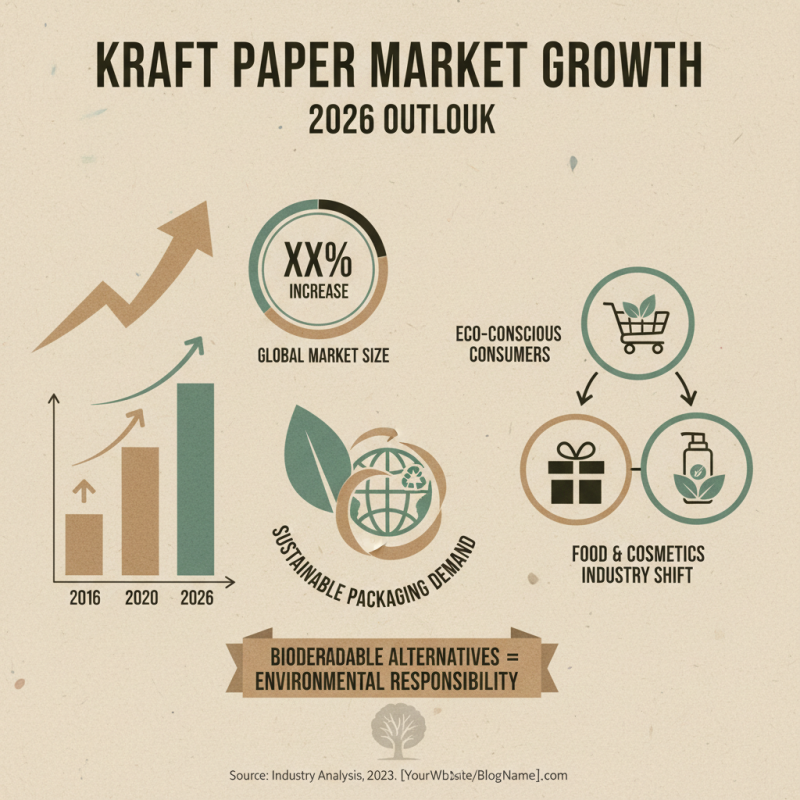
The kraft paper market is set to experience significant growth by 2026. Analysts predict that the increasing demand for sustainable packaging will push the market size higher. Consumers are becoming more eco-conscious, driving companies to adopt greener alternatives. This trend is evident across various industries, including food and cosmetics. The shift towards biodegradable options reflects a larger movement towards environmental responsibility.
In the last few years, kraft paper applications have expanded. From retail bags to product packaging, its versatility is appealing. Additionally, businesses are recognizing the aesthetic value of kraft paper. Its natural look enhances branding efforts. Yet, challenges remain in sourcing the right raw materials. Supply chain disruptions could impact production rates. Companies must focus on sustainable sourcing to avoid potential pitfalls. Innovation in production processes will be essential to meet growing demands while ensuring quality.
Sustainability Trends in Kraft Paper Production and Consumption
Sustainability is becoming a significant focus in kraft paper production. Many manufacturers are shifting towards eco-friendly practices. This shift involves using recycled materials and optimizing the production process. For instance, sourcing fibers from certified forests reduces environmental impact. It’s also important that these practices comply with global standards. However, not all producers commit to this path.
Another trend is the growing demand for biodegradable packaging solutions. Consumers are increasingly aware of their environmental footprint. They are seeking products that have minimal harm to the planet. This awareness drives innovation in kraft paper, resulting in various sustainable options. Still, challenges remain. Some kraft paper products may not decompose as expected. This inconsistency raises questions about true sustainability.
The balance between functionality and sustainability is delicate. While kraft paper offers many advantages, its production can still be resource-intensive. Water usage and emissions during manufacturing are critical issues. Companies must reflect on their processes. By improving efficiency, they can contribute positively to the planet. Consumers also play a role. They can advocate for brands that prioritize sustainable practices and hold them accountable.
Innovative Uses of Kraft Paper in Packaging and Branding
Kraft paper has emerged as a key player in packaging and branding. Its versatility and eco-friendliness make it a go-to material for many industries. A recent report by Smithers revealed that the demand for sustainable packaging solutions will exceed $500 billion by 2027. Kraft paper is positioned well within this growing market due to its recyclable nature. However, many companies still underestimate its potential in creative branding strategies.
Innovative uses of Kraft paper extend beyond traditional packaging. Brands are utilizing it for unique product wraps and bespoke labels. The tactile feel of Kraft paper can enhance customer experience. Implementing personalized designs can create memorable unboxing moments. However, some businesses face challenges in balancing aesthetics and functionality. They may overlook the importance of preserving product integrity while using kraft materials.
Moreover, sustainable practices in packaging have no perfect blueprint. Companies often struggle with sourcing 100% recycled kraft paper. A study indicated that only 30% of Kraft fibers are recycled globally. This emphasizes the need for continuous improvement. Brands are encouraged to invest in sustainable sourcing and innovative designs. Addressing these challenges will not only benefit their brand image but also contribute positively to the environment.
2026 Kraft Paper Trends in Packaging
Technological Advancements in Kraft Paper Manufacturing Processes
Recent innovations in kraft paper manufacturing are reshaping the industry. Companies leverage advanced technologies to improve efficiency and sustainability. A report from MarketWatch reveals that the global kraft paper market is projected to grow by 4.5% annually, driven by rising demand for eco-friendly packaging solutions.
Among the prominent advancements are the use of automation and AI. These technologies help streamline production. A case study from Smithers indicates that automated systems can reduce waste by up to 30%. This not only saves materials but also lowers costs. Yet, challenges remain. Implementing high-tech solutions often involves significant upfront investment. Smaller players may struggle to keep pace.
Additionally, the integration of renewable energy sources is becoming common. Facilities now utilize solar and wind power to cut emissions. According to a study by Penn State, companies using renewable energy could see a decrease in operating costs by 15% over five years. However, transitioning requires careful planning and expertise. Many businesses face hurdles in adopting these sustainable practices effectively.
Consumer Preferences Shaping the Kraft Paper Industry Landscape in 2026
As we look towards 2026, consumer preferences are dramatically shaping the kraft paper industry. Recent reports indicate that 72% of consumers prefer sustainable packaging. This preference has pushed manufacturers to focus more on eco-friendly processes. The demand for recyclable kraft paper is surging, with a projected market growth rate of 5.6% per year.
Interestingly, demographics also play a crucial role in this shift. Millennials and Gen Z are leading the charge for greener options. Around 65% of these consumers consider sustainability when making purchasing decisions. Part of this is driven by a desire for products that tell a story. Shoppers are looking for transparency in sourcing and production, thus boosting the appeal of kraft paper products.
However, the industry faces challenges. The rise in demand for high-quality, sustainable kraft paper raises production costs. Some manufacturers struggle to balance cost and quality. This can lead to compromises, such as sourcing materials from regions with less stringent environmental regulations. Consumers are becoming increasingly savvy and critical, which means businesses must innovate or risk losing market share.
2026 Top Kraft Paper Trends You Should Know About
| Trend |
Description |
Consumer Preference |
Projected Growth (%) |
| Sustainable Sourcing |
Increase in demand for kraft paper sourced from sustainable forests. |
85% of consumers prefer eco-friendly packaging. |
15% |
| Customization |
Growing trend for personalized kraft paper for packaging. |
70% of consumers respond positively to personalized products. |
20% |
| Innovative Designs |
Adoption of unique textures and prints for aesthetic appeal. |
65% of consumers influenced by design. |
25% |
| Biodegradable Options |
Demand for fully biodegradable kraft paper rising. |
78% of consumers prefer biodegradable materials. |
18% |
| Cost-Effectiveness |
Balanced pricing strategies due to rising raw material costs. |
60% of consumers consider price over sustainability. |
10% |