Top 10 Paper Board Types for Global Buyers Looking to Source
In the world of packaging, the selection of the right "Paper Board" is crucial. Jason Green, a leading expert in sustainable materials, emphasizes, "The right paper board can elevate product presentation and environmental impact." This statement underscores the importance of making informed decisions in sourcing paper boards.
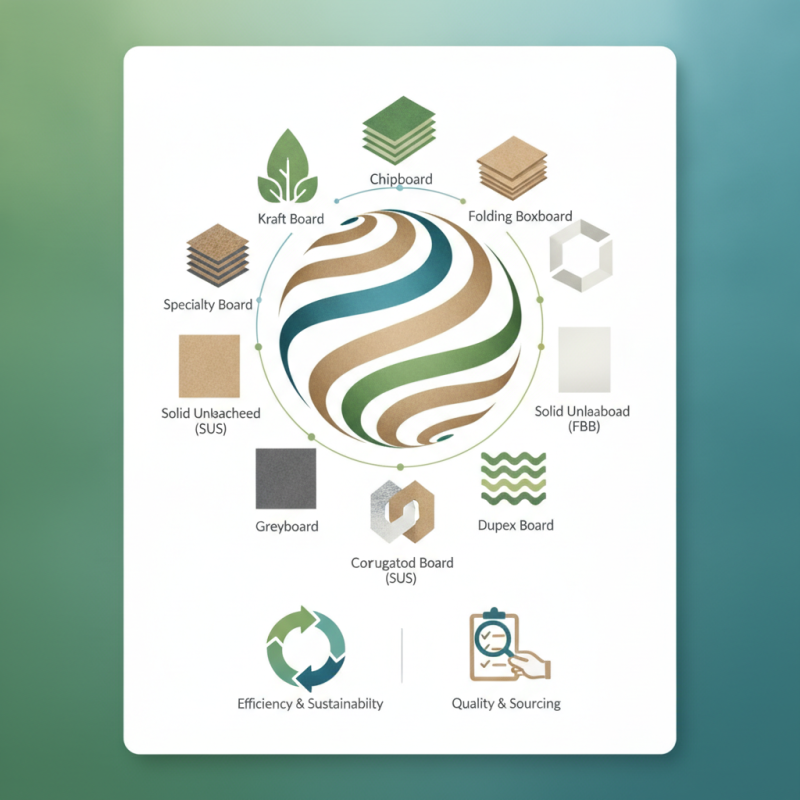
Global buyers face numerous options. Choosing between types like kraft, chipboard, and specialty boards is vital. Each type has unique properties that cater to various needs in packaging and branding. For instance, kraft board is durable and recyclable, appealing to eco-conscious brands, while chipboard offers versatility for printed applications.
Yet, the paper board industry also presents challenges. Quality inconsistencies and sourcing difficulties can arise. Buyers need reliable suppliers to ensure product compatibility and compliance with standards. Understanding these nuances can help buyers navigate the complexities of sourcing effectively. Efficiency and sustainability should be at the forefront of every decision in the ever-evolving paper board landscape.
Exploring the Importance of Paper Board in Global Trade
In the realm of global trade, paper board plays a crucial role. It is not merely a packaging material; it shapes industries. Paper board is essential for creating cartons, displays, and protective packaging. The versatility of paper board allows businesses to protect their products while enhancing branding efforts. Proper sourcing of paper board types influences sustainability and cost-effectiveness, making it a vital consideration for buyers worldwide.
Sourcing paper board requires knowledge and insight into market trends. Different grades can impact the quality and durability of products. Buyers must assess the performance characteristics and environmental implications of various types. A deeper understanding of these factors can yield better agreements and partnerships. Yet, not every paper board meets strict safety and environmental criteria. This often leads to mismatched expectations. Reflecting on sourcing practices can spark more responsible decisions, fostering a healthier supply chain.
Navigating the complexities of paper board sourcing reflects broader industry challenges. Buyers need access to reliable data and expertise. Engaging in transparent dialogues with suppliers can bridge gaps and enhance quality. The importance of paper board extends beyond its use; it embodies values of sustainability and efficiency. As global markets evolve, so too must our approach to sourcing these materials.
Top 10 Paper Board Types: Overview and Applications
When exploring paper board types, understanding their applications is crucial for sourcing decisions. Different regions have distinct preferences for paper boards. For example, kraft paperboard is widely used in packaging due to its strength and recyclability, accounting for around 30% of the global market. This type excels in producing boxes and containers.
Another prevalent option is coated duplex board, which is valued for its excellent printing surface. Its smooth texture is suitable for high-quality graphics and designs. Research shows that it represents nearly 25% of the market share. In industries such as cosmetics and food, this paper board type is preferred for creating attractive packaging.
Recycling rates impact the availability of these materials. Industry reports reveal that recycled paperboard usage is steadily increasing, now constituting over 40% of total raw material consumption. However, not all regions invest equally in recycling infrastructure, which can challenge sourcing efforts. Buyers must consider these dynamics when selecting the appropriate board type to meet their environmental and branding goals.
Factors to Consider When Sourcing Paper Board for Your Needs
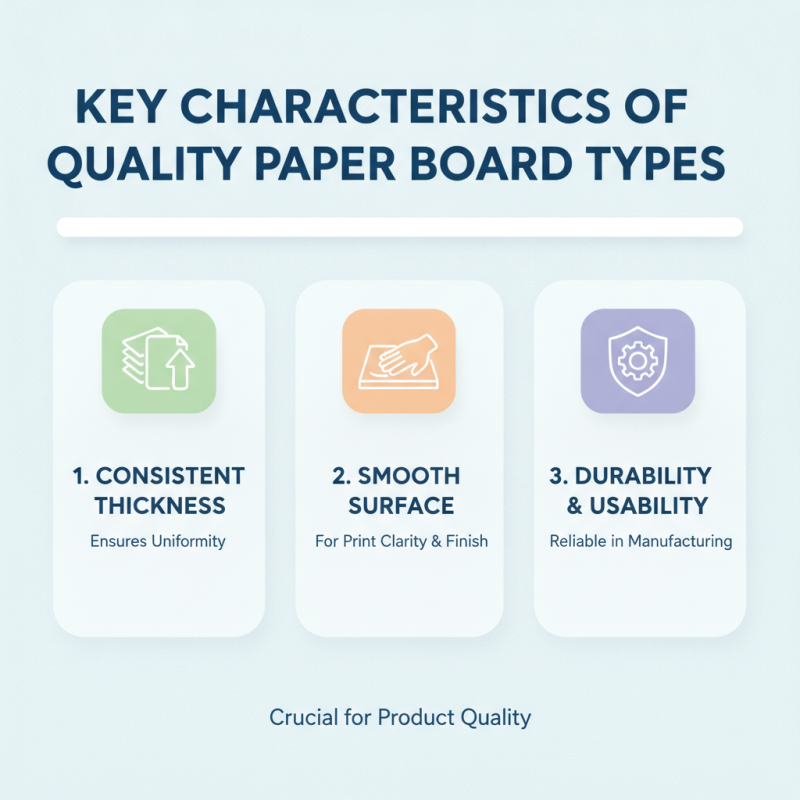
When sourcing paper board, several critical factors must be considered. Quality is paramount. A study from Smithers reveals that nearly 50% of buyers prioritize board durability and print quality. Understanding the specifications of different paper board types is essential. For example, recycled boards offer eco-friendliness but might lack the stiffness needed for certain applications.
Cost efficiency is another critical factor. Prices can fluctuate based on raw material availability and production costs. It's important to analyze market trends. According to the report by IBISWorld, paper board production has seen a 3% annual increase. Buyers should also consider sourcing from suppliers who uphold ethical practices. Transparency in sourcing materials helps ensure long-term sustainability.
Additionally, regional regulations affect sourcing decisions. Compliance with local standards can complicate procurement. Some areas impose stricter environmental guidelines than others. Thus, understanding the local regulatory environment is vital for a smooth supply chain. Making informed choices based on quality, cost, and compliance can significantly impact your sourcing strategy.
Sustainability Trends in Paper Board Manufacturing and Sourcing
Sustainability in paper board manufacturing is more important than ever. Buyers worldwide are increasingly focused on sustainable sources. Using recycled materials can significantly reduce environmental impact. This trend reflects a growing awareness of ecological issues.
When sourcing paper board, consider the production process. Opt for manufacturers that prioritize sustainability. Look for certifications that guarantee eco-friendly practices. Ensure that the materials used are sourced responsibly. Transparency in sourcing is key to building trust with consumers.
Tips: Always request samples before committing to large orders. Evaluate the environmental policies of potential suppliers. Don’t hesitate to ask questions. The market is evolving, and businesses must adapt. Being informed about sustainability trends can help you make better choices. Evaluate your current suppliers regularly. Reflect on their sustainability practices and impact.
Top 10 Paper Board Types for Global Buyers Looking to Source
| Paper Board Type |
Sustainability Rating |
Recycling Rate (%) |
Typical Uses |
Manufacturing Impact |
| Kraft Board |
A+ |
80% |
Boxes, packaging |
Low emissions during production |
| Folding Box Board |
A |
75% |
Cosmetics, pharmaceuticals |
Moderate impact; biodegradable |
| Chipboard |
B |
70% |
Game boxes, book covers |
Recycling reduces waste |
| Liquid Carton Board |
B+ |
65% |
Beverage packaging |
Energy-intensive production |
| Coated Paperboard |
A- |
60% |
High-end packaging |
Significant chemical usage |
| Greyboard |
B |
85% |
Products like furniture packaging |
Recycled content helps the footprint |
| Pulpboard |
A- |
72% |
Heavy-duty packaging |
Low resource extraction impact |
| Specialty Board |
B+ |
68% |
Unique packaging solutions |
May use new fibers, increasing impact |
| White Board |
A |
78% |
High-quality prints |
Higher water use in production |
| Foam Board |
C |
50% |
Signage and displays |
Extensive non-renewable usage |