Top 10 Paper For Cup Options You Should Consider
When it comes to choosing the right paper for cup options, the choices can be overwhelming. Different paper types have unique characteristics that affect performance. Finding the best Paper For Cup is essential for businesses in the food and beverage industry.
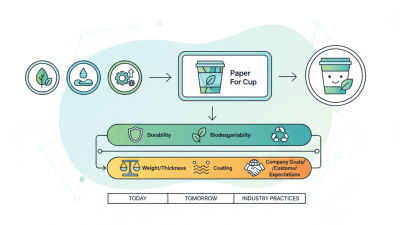
Consideration of various factors is crucial. For example, thickness, barrier properties, and environmental impact play a significant role. Some papers may not hold up well with hot beverages, leading to leaks. Others might be environmentally friendly but lack durability. Exploring various paper for cup options can lead to better decisions and improved customer satisfaction.
This journey requires careful thought and exploration. Each option has its strengths and weaknesses. Reflecting on how these papers align with your needs is vital. Ultimately, the goal is to find a balance between quality and sustainability. Making the right choice can greatly influence the overall experience for users.
Understanding the Importance of Choosing the Right Paper for Cups
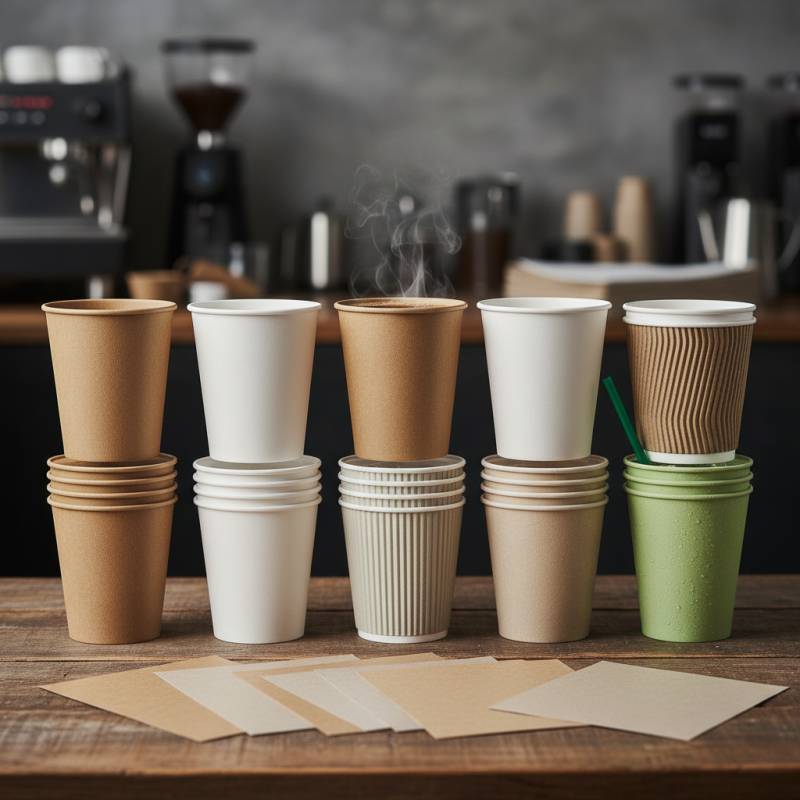
Choosing the right paper for cups is crucial. It affects functionality, aesthetics, and sustainability.
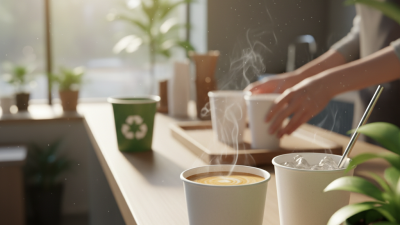
Different types of paper have distinct properties. For instance, some are better for hot drinks, while others suit cold beverages.
Understanding these differences helps in making informed choices.
Consider the thickness of the paper. A thicker paper often provides better insulation.
It can also enhance the cup's structural integrity. On the other hand, thinner paper might be more eco-friendly. Yet, it may lack sturdiness.
This trade-off between durability and environmental impact requires careful thought.
Another aspect is the printing quality. High-quality paper allows vibrant designs and clear text.
This is essential for branding. But, cheaper paper options can compromise on print clarity.
You might save costs, but your visual appeal may suffer. Reflect on what truly matters for your product.
Balancing cost, quality, and environmental responsibility is key.
Types of Paper Materials Used in Cup Production
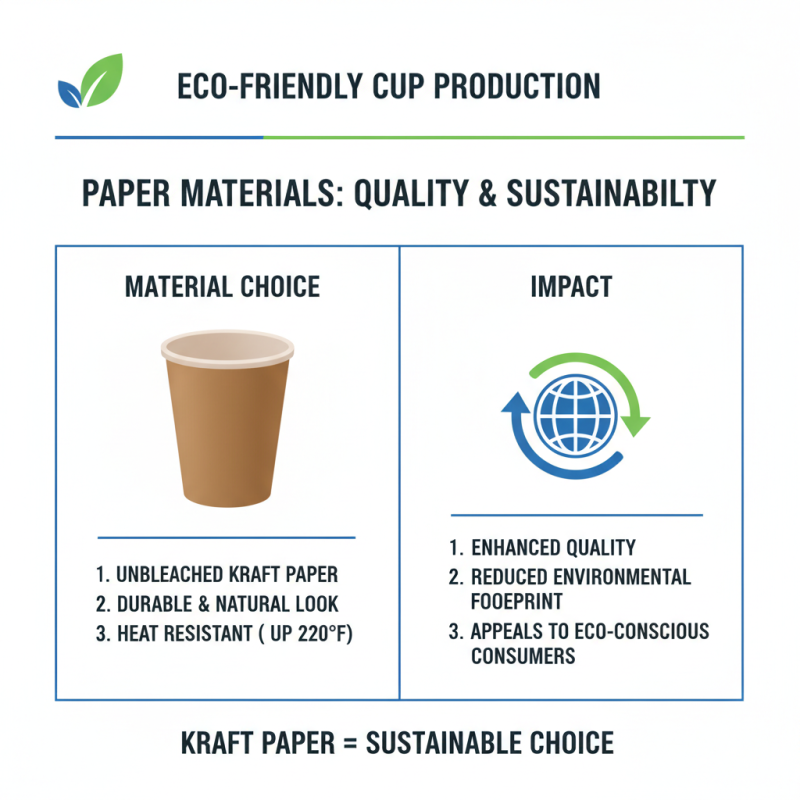
The choice of paper materials in cup production significantly affects quality and sustainability. Various types are commonly used, each with unique characteristics. For instance, unbleached kraft paper is popular for its durability and natural appearance. This type can handle temperatures up to 220°F. Many brands opt for it to align with eco-conscious consumer preferences.
Another option is coated paper. It provides a smooth surface that enhances printability and moisture resistance. A report from the Paper and Paperboard Packaging Environmental Council states that coated paper contributes to a robust recycling rate, reaching over 70% in some regions. However, it raises concerns about its environmental impact compared to uncoated options.
Some manufacturers experiment with biodegradable alternatives. These options are made from renewable resources and often break down in composting conditions. Research indicates that consumers are increasingly interested in eco-friendly packaging solutions. Yet, these materials can be cost-prohibitive and may not perform as well as traditional options. This creates a tension between sustainability and functionality in cup production.
Evaluating Environmental Impact of Paper Cup Options
When considering paper cup options, evaluating their environmental impact is crucial. Many paper cups can be misleading. While they seem eco-friendly, the production process often involves significant deforestation and energy consumption. It’s important to assess the entire lifecycle of these products.
Tips: Always check if the paper is sourced from sustainable forests. Look for certifications that indicate responsible practices. Understanding the materials used can greatly affect the overall environmental footprint.
Another key factor is the lining. Many paper cups have plastic linings that make them non-recyclable. This adds to landfill waste. Some newer options use compostable materials, which can mitigate this issue. However, not all compostable cups breakdown effectively in every setting.
Tips: If possible, opt for cups designed to be composted, and check local composting facilities. Many people remain unaware that even biodegradable options need specific conditions to decompose properly. This revelation can change how consumers choose their beverage vessels.
Environmental Impact of Different Paper Cup Options
Comparing Cost-Effectiveness of Top Paper Cup Choices
When selecting paper cup options, cost-effectiveness is key. The right choice can save money and reduce waste. Start by comparing the thickness of the paper. Thicker cups often hold liquids better but may cost more. Investigate different sizes too. Smaller cups can reduce costs, but they might not satisfy customer needs.
Tips: Look for bulk purchase discounts. Larger orders often lower the price per cup. Consider local suppliers to reduce shipping costs. Always check for recycling options. Using recyclable cups could attract eco-conscious customers.
Not all paper cups perform the same. Some can leak, while others may not hold up well with hot beverages. Testing different brands can reveal surprising results. Pay attention to customer feedback. If cups don’t meet expectations, it’s time to reassess. Watch the balance between price and quality closely.
Exploring Customization Options for Paper Cups
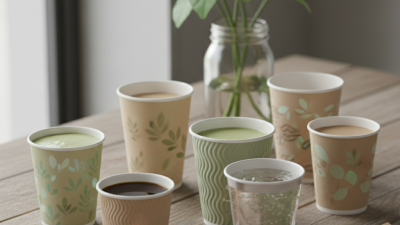
When considering paper cup options, customization plays a vital role. Custom paper cups can showcase your brand through colors, designs, and logos. You can choose various shapes and sizes too. This allows your product to stand out in a crowded marketplace. For small businesses, unique designs can attract new customers. But is the added cost really worth it?
A simple design might suffice. However, think about the emotions your cup evokes. Bright colors can create excitement, while subtle tones convey elegance. That said, balance is key. Overly complex designs may confuse rather than attract. Ask yourself: does the design reflect your brand's essence? A personalized message or graphic can foster connection. Yet, ensure clarity over creativity.
Lastly, environmental considerations are crucial. Eco-friendly materials are becoming popular. Many options help reduce our carbon footprint. Customers increasingly value sustainability in their choices. This trend challenges businesses to innovate responsibly. It’s a delicate dance between aesthetics and ethics in customization. Each choice you make in this process should be mindful and purposeful.
Top 10 Paper For Cup Options You Should Consider
| Option |
Material |
Customizable |
Environmentally Friendly |
Typical Use |
| Single-Wall Paper Cups |
Paper |
Yes |
No |
Cold beverages |
| Double-Wall Paper Cups |
Paper |
Yes |
Yes |
Hot beverages |
| Recyclable Paper Cups |
Paper with recyclable coating |
Yes |
Yes |
Various beverages |
| Compostable Paper Cups |
Pla and paper blend |
Yes |
Yes |
Hot and cold beverages |
| Insulated Paper Cups |
Paper with insulation |
Yes |
Yes |
Hot beverages |
| Sustainable Sourced Paper Cups |
FSC certified paper |
Yes |
Yes |
Various beverages |
| Custom Print Paper Cups |
Paper |
Yes |
Depends on coating |
Promotional use |
| Colored Paper Cups |
Dyed paper |
Yes |
No |
Cold beverages |
| Stroke Cap Paper Cups |
Blended paper |
Yes |
No |
Fast food and snacks |