2026 How to Use Paperboard Paper for Sustainable Packaging Solutions?
In the quest for sustainable packaging solutions, Paperboard Paper emerges as a compelling choice. The global demand for eco-friendly packaging has surged, with the market expected to reach $600 billion by 2028. Companies are increasingly looking for materials that not only reduce carbon footprints but also comply with sustainability standards. Paperboard Paper, made from renewable resources, plays a pivotal role in this transformation.
Recent studies indicate that over 70% of consumers prefer brands that prioritize sustainable practices. Packaging accounts for a significant portion of waste, contributing to environmental degradation. By utilizing Paperboard Paper, businesses can mitigate this impact and appeal to eco-conscious consumers. This shift is not just a trend; it reflects a fundamental change in consumer behavior driven by a desire for healthier, greener options.
Nevertheless, challenges remain. The production of Paperboard Paper must balance cost and sustainability, posing questions about its viability for all businesses. Companies must critically assess their sourcing and production practices to ensure genuine environmental benefits. As we explore the usage of this material, the industry must remain vigilant in its commitment to sustainability while addressing these intricate dilemmas.
Understanding Paperboard: Properties and Types for Sustainable Packaging
Paperboard is an essential material for sustainable packaging solutions. It’s made from recycled paper fibers, which reduces waste. The versatility of paperboard allows it to be molded into various shapes and sizes. It’s lightweight yet durable, making it ideal for shipping products. Companies can use paperboard for boxes, cartons, and even protective packaging.
There are different types of paperboard. Solid bleached board is perfect for high-quality printing. It has a smooth surface, enhancing visual appeal. Unbleached board offers a rustic look, appealing for eco-conscious brands. The strength of paperboard varies, making it important to choose the right type for different products.
While paperboard is more sustainable than plastic, challenges exist. Paperboard production can consume water and energy. Not all paperboards are recyclable, depending on coatings. It’s crucial to evaluate sourcing practices. Ultimately, using paperboard requires thoughtful considerations for environmental impact. Each choice matters in the pursuit of sustainability.
2026 How to Use Paperboard Paper for Sustainable Packaging Solutions?
| Property |
Type |
Sustainability Feature |
Applications |
| Strength |
Corrugated Paperboard |
Recyclable and biodegradable |
Shipping boxes, product packaging |
| Lightweight |
Single-wall Paperboard |
Sourced from sustainable forests |
Retail packaging, display boxes |
| Durability |
Double-wall Paperboard |
Compostable option available |
Heavy-duty shipping containers |
| Printability |
Coated Paperboard |
Low carbon footprint |
High-quality graphics, consumer goods |
| Customizability |
Die-cut Paperboard |
100% recyclable |
Customized retail displays, gift boxes |
The Environmental Benefits of Using Paperboard in Packaging Solutions
Using paperboard for packaging is an increasingly popular choice for businesses aiming to go green. The environmental benefits are clear. Paperboard is recyclable and biodegradable, which helps reduce landfill waste. Its lightweight nature also means lower transportation emissions. These factors make it a sustainable alternative to plastic packaging.
Tips for choosing paperboard include looking for recycled content. The more recycled material, the better for the planet. Also, consider the source of the paperboard. Sourcing from sustainably managed forests is crucial. It not only ensures that new trees are planted but also supports responsible forestry practices.
It's worth noting that while paperboard is better for the environment, it can still face challenges. Moisture can weaken paperboard, and it may not always provide the same durability as plastic. Users should evaluate their specific needs carefully. Making thoughtful decisions can lead to impactful changes in the packaging industry.
Designing Packaging: Key Considerations for Paperboard Sustainability
Designing sustainable packaging with paperboard requires a thoughtful approach. The choice of materials greatly impacts the environment. Paperboard is renewable and recyclable, but not all options are created equal. Selecting the right grade is crucial for durability and cost-effectiveness. Ultimately, sustainable design balances functionality with environmental responsibility.
When creating packaging, consider how it will be used. Weight and strength influence performance. Can it protect products during shipping? Evaluate the entire lifecycle of the packaging. Are there ways to minimize waste? Simple designs often lead to better sustainability outcomes. Involving stakeholders early in the design process fosters innovation and collaboration.
However, the transition to sustainable paperboard isn’t without challenges. Sourcing high-quality materials may seem difficult. What about the carbon footprint during production? Continuous improvement is necessary. Track usage and seek out local suppliers to reduce transportation impacts. Sustainability is a journey, not a destination. Each step counts.
Innovative Technologies for Enhancing Paperboard Durability and Usability
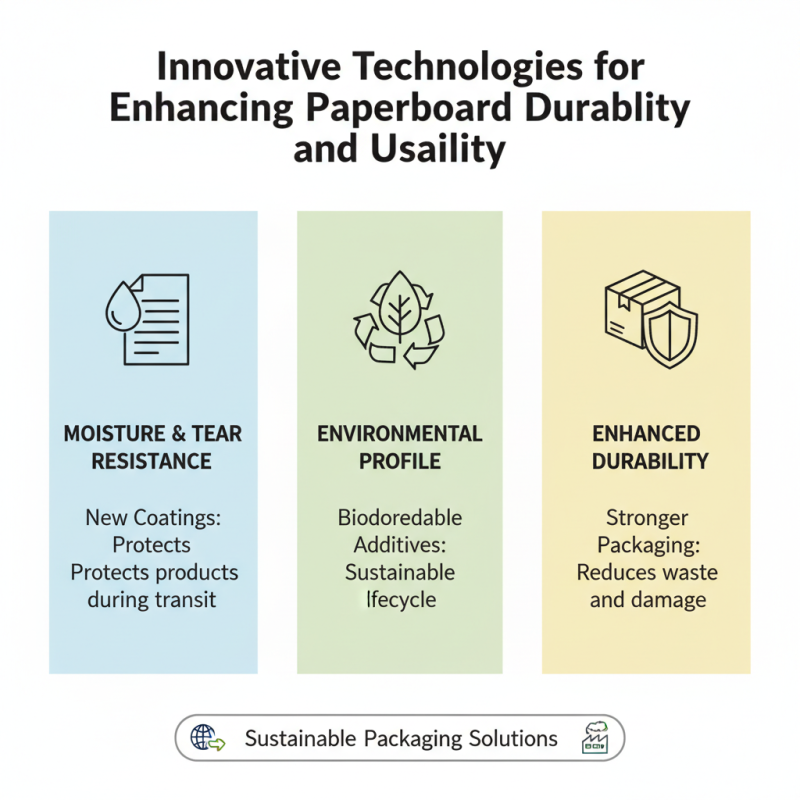
Innovative technologies are reshaping the landscape of sustainable packaging, particularly with paperboard. Enhanced durability is a key focus for manufacturers. New coatings can make paperboard resistant to moisture and tears. This development is crucial for protecting products during transit. Moreover, biodegradable additives can improve the environmental profile of paperboard. These innovations help create a more sustainable lifecycle for packaging materials.
Usability is also being transformed through creative design strategies. Lightweight structures reduce material usage without sacrificing strength. This approach can lower transportation costs and carbon footprints. Additionally, advancements in printing techniques allow for vibrant graphics. This makes paperboard not only functional but visually appealing. However, there is still room for improvement. Some consumers are still skeptical about the performance of paperboard compared to plastics.
Sustainability is a journey. While these technologies show promise, challenges remain. Educating consumers about proper disposal is essential. Many still view paperboard as less effective. Bridging this perception gap is just as important as technology itself. Ongoing research and collaboration can drive further innovations, ensuring that paperboard remains a viable choice in sustainable packaging.
Best Practices for Recycling and Disposal of Paperboard Packaging Materials
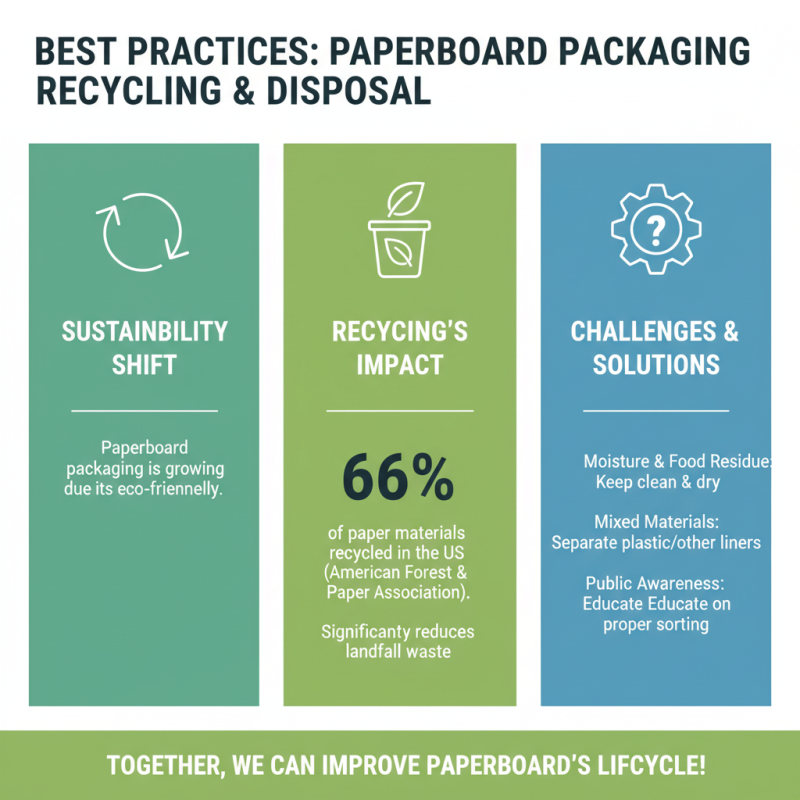
In recent years, paperboard packaging has gained traction for its sustainability. Yet, the lifecycle of paperboard materials remains critical. Effective recycling can significantly reduce landfill waste. According to the American Forest & Paper Association, 66% of paper materials are recycled in the U.S. But, paperboard recycling faces challenges.
Many consumers still consider paperboard disposable. This perception leads to improper disposal. In fact, 23% of paperboard ends up in landfills instead of recycling facilities. Educating the public on proper disposal methods is vital. Clear labels on packaging can encourage recycling. For instance, using visual cues can increase recycling rates.
While paperboard is biodegradable, its environmental impact can still linger. Contaminated paperboard, such as food wrappers, is often non-recyclable. Additionally, processors require clean materials to function efficiently. Awareness and responsibility among consumers can mitigate these issues. Encouraging local recycling programs can make a difference. The goal must focus on reducing waste from its source and enhancing recycling competency in communities.