Top Watercolor Paper Roll Options for Artists and Crafters to Explore?
Watercolor Paper Roll is essential for artists seeking quality materials for their craft. Renowned watercolorist, Sarah Williams, states, "The right paper transforms your vision into reality." This highlights the importance of selecting the best watercolor paper roll when creating art.
Choosing the right paper can be a journey of exploration. Artists may find themselves overwhelmed by choices. Various brands offer various textures and weights, impacting how paint behaves. It’s not just about picking a roll; it’s about understanding what enhances your work. Experimentation is integral to find the ideal surface.
Yet, many artists overlook the significance of their material. A mediocre paper roll can diminish your creative expression. Even seasoned professionals sometimes choose products that don't resonate with their style. Reflecting on your needs can lead to breakthroughs in your art. Seek a watercolor paper roll that inspires, rather than just suffices.
Understanding Different Types of Watercolor Paper Rolls Available for Artists
When it comes to watercolor paper rolls, understanding the different types available is essential for artists and crafters.
Cold-pressed paper offers a textured surface. Artists can achieve
vibrant washes and rich details with it.
The texture can be both a blessing and a curse. Sometimes, the uneven surface doesn't allow for
fine details.
Hot-pressed paper, on the other hand, has a smooth finish. It’s ideal for those who love precision.
The downside? It may not hold water as well as cold-pressed. Some artists find their colors lift easily, leaving them frustrated.
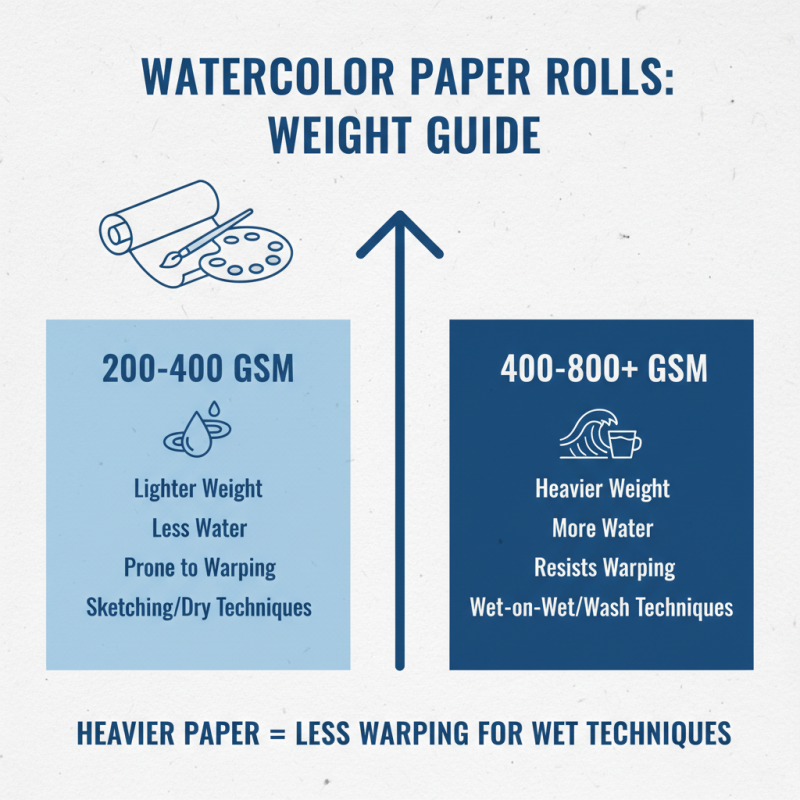
Paper weight also plays a role. Heavier rolls prevent warping but can be cumbersome to work with.
Lastly, there are colored paper options. These can create stunning effects.
However, finding the right color that suits your style can be tricky. Experimentation is key, but it's not always guaranteed.
The journey involves trial and error, leading to unexpected discoveries.
Be prepared to adapt your techniques accordingly.
Key Features to Look for in Quality Watercolor Paper Rolls
When exploring watercolor paper rolls, several key features make a significant difference. First, look for weight. A heavier paper, often between 200-800 gsm, supports various techniques without warping. A smoother surface is ideal for detailed work, while a textured surface enhances the paint's interaction. Choose cotton-based papers for superior absorbency. This allows the paint to spread beautifully while preventing excessive bleeding.
Tips: Test different weights and textures. This helps you find what works best for your style. Don’t shy away from experimenting. Some artists prefer heavy paper for washes, while others like lighter rolls for quick sketches.
Another crucial aspect is the paper’s acidity. Acid-free paper resists deterioration over time. This quality ensures your artwork remains vibrant and intact for years. Remember, not all rolls are created equally. Some may not hold paint as well. It’s essential to assess how your chosen paper responds to water.
Tips: Keep notes on your findings. This will guide your future purchases. Experimenting with different brands can be enlightening. It’s about finding the right balance for your artistic vision.
Comparative Analysis of Popular Watercolor Paper Roll Brands
When delving into watercolor paper rolls, it’s essential to consider various factors. Weight matters significantly. Papers commonly range from 200 to 800 GSM. Heavier paper typically handles more water without warping. It’s vital for artists who prefer wet techniques.
Texture is another crucial element. Some papers offer a rough surface, while others are smoother. A rough finish adds depth to washes, while smooth ones are perfect for fine details. Artists often experiment before settling on a favorite. Finding balance between texture and weight can be challenging.
Different fibers also influence the art experience. Cotton, for instance, is highly prized. It provides excellent absorbency and longevity. Conversely, cellulose blends may be more budget-friendly. They might not endure washes as well but can be perfectly fine for lighter work. Each choice carries its pros and cons, inviting reflection on the artist’s preferred style.
Tips for Selecting the Right Watercolor Paper Roll for Your Projects
Selecting the right watercolor paper roll can significantly impact your artwork. Consider the
weight of the paper. Heavier paper holds more water without warping.
A weight around 300 gsm is often preferred.
Lighter papers can buckle easily under heavy washes, which can be frustrating. Look for
texture as well. Rough, cold-pressed surfaces give a unique feel.
Smooth, hot-pressed options lend themselves to detail work.
When choosing a roll, think about the size.
Larger rolls are great for expansive projects, but they require adequate space for handling.
Smaller rolls are more manageable but may limit your creative options. Also, consider the paper's
absorbency. Some papers absorb pigment differently, affecting the vibrancy of colors.
This can be a trial and error process.
Pay attention to your techniques as well.
If you fall in love with washes, a more absorbent paper is necessary. Conversely, if you're into precise line work,
a smoother surface is key. Don’t be afraid to experiment with different types. You might stumble upon an unexpected favorite.
Each roll can bring new surprises, leading to both joyful and challenging moments in your
artistic journey.
Caring for and Storing Watercolor Paper Rolls to Ensure Longevity
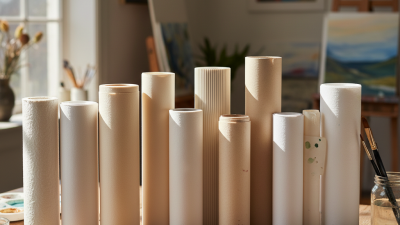
Caring for watercolor paper rolls is crucial for artists and crafters. Proper storage can extend the life of your paper, ensuring it retains its quality. Humidity and light are enemies. Store your rolls in a cool, dry place. Avoid direct sunlight to prevent yellowing.
Here are some tips:
- Wrap your paper rolls in acid-free tissue or a cotton cloth. This keeps dust away while maintaining moisture balance.
- Use a sturdy tube for extra protection.
- Label the tubes for easy access.
- Keep them upright to avoid creasing.
Check your rolls periodically. Look for any signs of damage. If you notice any moisture, move them to a drier area. Your artistic tools deserve attention. Finding the right balance in care is key. You want the paper ready when inspiration strikes.