Why Choose Kraft Paper for Packaging?
Kraft Paper is often chosen for packaging because it combines a natural look with practical strength. Its brown, fibrous surface feels at home around bakery goods, clothing, and small parcels. But appearance alone does not make packaging a sound choice. The material must protect the product, suit the packing line, and avoid unnecessary layers.
There is useful evidence behind paper packaging’s recycling story. The U.S. Environmental Protection Agency reported that 68.2% of paper and paperboard was recycled in 2018; corrugated boxes reached 96.5%. These are U.S. figures from a dated report, not a guarantee that every kraft package will be recycled. Local collection rules, coatings, inks, and food residue can change the outcome. Small details matter.
Sustainable-design expert William McDonough’s well-known principle is, “Waste equals food.” It offers a helpful lens for packaging design, though it is not a Kraft Paper-specific claim. A paper bag that is oversized, heavily coated, or difficult to recycle may undermine its own appeal. That deserves a closer look.
This article explores what Kraft Paper does well, where it has limits, and how to judge it for real packaging needs. The right choice depends on the product and its journey. A dry sweater and a greasy takeaway meal ask very different things of a package. We will keep that distinction in view.
What Is Kraft Paper and How Is It Made?
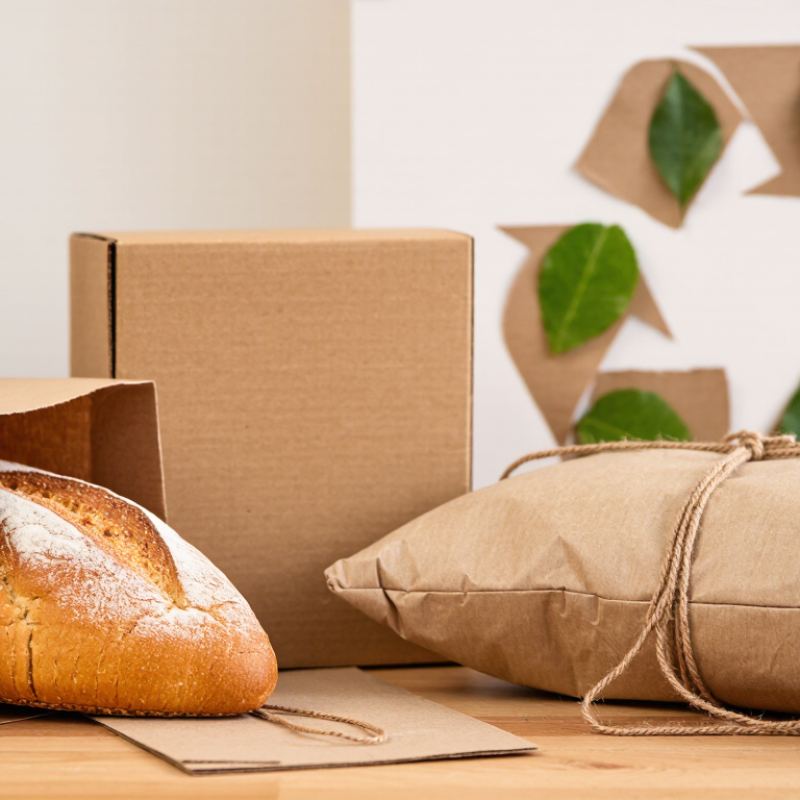
Kraft paper starts with wood chips, usually from softwood trees such as pine. Mills cook the chips in a hot chemical solution containing sodium hydroxide and sodium sulfide. This kraft pulping process loosens lignin, the material that binds wood fibers together. The fibers are then washed, screened, and formed into sheets on a paper machine. Water drains through a moving mesh; rollers press the wet web, and heated cylinders dry it. The result is often brown because the fibers have not been bleached. Simple, but not impact-free.
The process can recover and reuse much of its pulping chemicals, while the long fibers help give kraft paper useful tear resistance. Actual performance still depends on fiber mix, sheet weight, and converting. A thin grocery bag and a heavy shipping sack are not interchangeable. The American Forest & Paper Association reported a 68% U.S. paper recycling rate for 2022. That figure covers paper broadly, not kraft packaging alone, so it should not be treated as a kraft-specific result (AF&PA, Paper Recycling: 2022). Recycled fibers can also shorten with repeated processing, which may affect strength. Kraft paper can be recyclable where local collection and processing systems accept it, but coatings or food residue may complicate sorting. The detail matters.
Which Properties Make Kraft Paper Suitable for Packaging?
Kraft paper suits packaging because its tightly bonded cellulose fibers provide useful tensile and tear strength without adding much weight. These properties help a paper sack hold flour or pet food, and let a corrugated carton withstand stacking and routine handling. Packaging teams can test tensile strength and tear resistance using established TAPPI methods, including T 494 and T 414. The numbers matter: paper that performs well in a lab may still tear at a sharp corner.
It is adaptable. Kraft paper can be folded, printed, glued, or combined with other materials to make bags, wraps, and shipping cartons. Its naturally brown surface also makes scuffs less noticeable than they might be on a bright white package. But kraft paper is not a complete moisture barrier. A wet loading dock can soften it, and added coatings or laminates may complicate recycling.
Recycling performance is relevant, but should not be overstated. The American Forest & Paper Association’s 2023 paper recycling rate report estimated that 65.7% of paper consumed in the United States was recycled. That figure covers paper broadly, not kraft packaging alone. Clean, uncoated kraft is generally easier to recover in paper streams; local collection rules and package design still matter. Small detail, real consequence: a plastic window or food residue can change what happens next.
What Benefits Does Kraft Paper Offer for Packaging?
Why Choose Kraft Paper for Packaging?
What Benefits Does Kraft Paper Offer for Packaging?
Kraft paper offers a practical balance of strength, low weight, and a natural appearance. Its long fibers help bags and wraps resist tearing during ordinary handling. It also folds neatly around books, dry goods, and small household items. The texture feels simple and tactile. That can suit packaging where an understated look matters.
Kraft paper can be recycled through established paper-recovery systems when it is clean and accepted locally. CEPI reported a 79.3% paper recycling rate in Europe in 2023; this figure covers paper overall, not kraft packages alone. The U.S. Environmental Protection Agency reported a 68.2% recycling rate for paper and paperboard in 2018. These figures show broad recovery, but coatings, food residue, and local collection rules can change what is recyclable. Kraft is not automatically the greener choice for every shipment; durability and disposal both matter.
Tips: Choose uncoated paper for easier recycling where local programs accept it. Test the wrap with your actual product first. A damp box can still fail.
Sources: CEPI, Key Statistics 2023; U.S. EPA, Advancing Sustainable Materials Management: 2018 Fact Sheet.
Why Choose Kraft Paper for Packaging?
How does paper compare with other material categories in U.S. recycling data?
Kraft paper is part of the broader paper and paperboard category, which had a 68.2% recycling rate in the United States in 2018. This rate is not specific to kraft paper or packaging; actual recycling rates vary by product and location.
Source: U.S. Environmental Protection Agency, Advancing Sustainable Materials Management: 2018 Fact Sheet.
Where Is Kraft Paper Commonly Used?
Why Choose Kraft Paper for Packaging?
Where Is Kraft Paper Commonly Used?
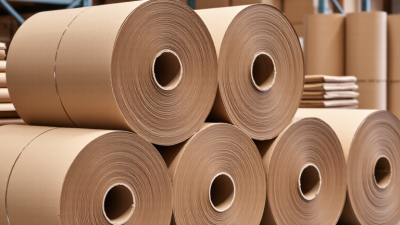
Kraft paper is common in shipping boxes, grocery bags, takeaway wraps, and protective void fill. Its long fibers give many grades useful tear resistance, while the brown surface suits simple, uncoated packaging. In a warehouse, kraft sheets can cushion glass jars or fill gaps around a small appliance. For heavier goods, corrugated board combines kraft liners with a fluted middle layer. It is practical. Not weightless.
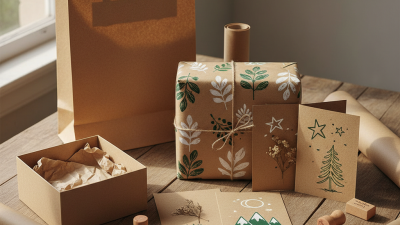
Retailers also use kraft paper bags for clothing, books, and dry groceries. Food businesses may choose it for bakery bags, sandwich wraps, and cartons, provided the paper grade suits the product and its intended contact. A paper bag is not automatically greaseproof or moisture-resistant. Coatings can help, but they may affect recycling options.
The American Forest & Paper Association estimated that 65–69% of paper consumed in the United States was recycled in 2023. That figure covers paper overall, not kraft packaging alone. The distinction matters. Kraft packaging can enter established paper-recycling streams when it is clean and accepted locally; food residue or mixed materials can complicate sorting. It is a useful material, but not a universal fix. A simple packaging trial can reveal whether the chosen grade actually protects the product without excess paper.
What Factors Should Guide the Choice of Kraft Paper?
When choosing kraft paper, start with the job it must do. A light paper may suit a small pouch, but a heavy product or sharp corners need more strength. Check basis weight alongside tear and burst resistance; thickness alone does not tell the whole story. A sample filled with the actual product can reveal weak seams or awkward handling. Test it.
Moisture matters, too. Paper can soften in damp storage, while coatings or treatments may change recyclability and printing behavior. Consider where packages will travel and how long they will sit on a shelf. For food or other sensitive uses, confirm that the paper and any barrier materials are suitable for the intended contact. Print requirements deserve a practical check: rough fibers can absorb ink unevenly, and fine text may lose definition. Ask for a printed sample, not just a specification sheet.
Also weigh appearance, cost, and converting needs. Natural brown paper gives a textured look, but color and surface can vary between batches. That variation is not always a defect, though it can surprise teams expecting uniform results. I still find it easy to focus on paper strength and overlook how quickly a small change in humidity affects the finished pack. Test under realistic conditions before settling on a grade.