Why Choose Paper Cups for Your Business?
Why Choose Paper Cups for Your Business?
A Paper Cup can shape a customer’s first impression. It feels clean, practical, and easy to carry. Picture a warm latte leaving your counter on a busy morning. The cup protects hands, reduces spills, and keeps service moving. For cafés, offices, hotels, and event teams, that small detail matters.
Packaging and recycling expert Simon Ellin has said, “Recycling is not the answer to everything.” His point deserves attention. A Paper Cup is not automatically sustainable because it contains paper. Responsible businesses should examine the full product. Consider certified fiber, responsible sourcing, suitable coatings, transport distance, and local recovery options. Some cups use plastic linings. Others use newer water-based or compostable barriers. Their real benefits depend on proper collection and processing.
There is no perfect cup.
Still, Paper Cup products can offer practical advantages. They are lightweight, stackable, and available in many sizes. Printed designs can reinforce a brand without adding separate packaging. Double-wall cups may reduce the need for cardboard sleeves. However, they can use more material and increase costs. The best choice depends on drink temperature, serving speed, customer expectations, and waste systems.
This guide explores those decisions with a realistic lens. It will compare performance, presentation, hygiene, cost, and environmental considerations. It will also question common marketing claims. A cheaper cup may create more waste. A greener-looking cup may lack local recycling support. Careful purchasing begins with evidence, not assumptions.
What Are Paper Cups and How Are They Made?
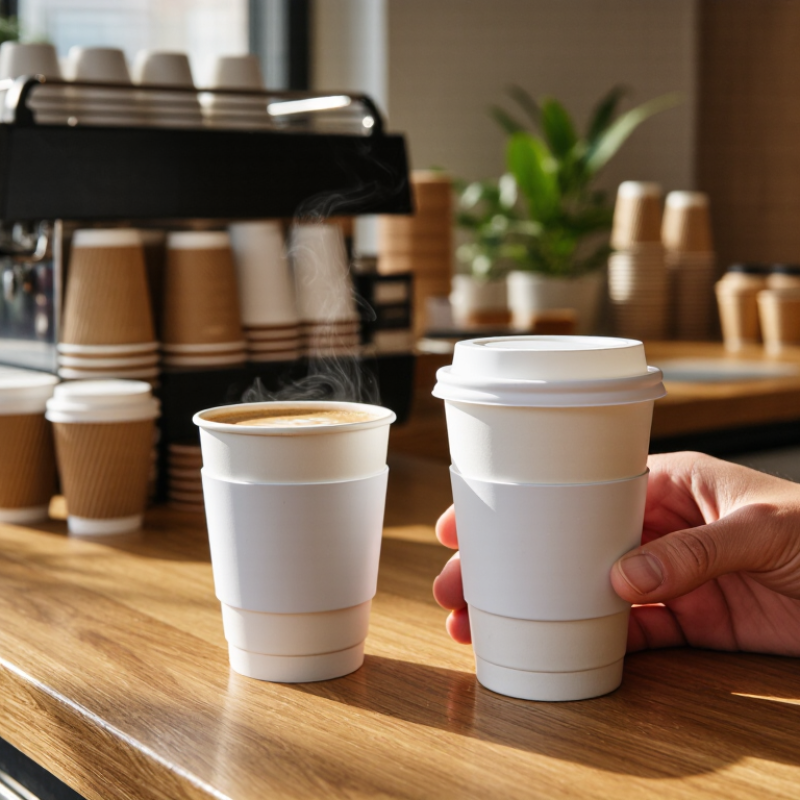
Paper cups are lightweight food-service containers made mainly from paperboard, a stiff sheet produced from wood fibre. Most cups use a thin plastic or plant-based lining, preventing coffee, tea, or juice from soaking through. This structure explains their practical appeal: a cup can remain rigid while holding a hot drink in one hand.
Manufacturing starts with paperboard production and surface coating. Large rolls are printed, cut into flat blanks, and formed around a cylindrical mould. Heat seals the side seam. A separate circular base is pressed into the bottom, then sealed to reduce leakage. The rim is curled for strength and safer drinking. It looks simple. It is not.
The fibre source matters. The Food and Agriculture Organization reported global paper and paperboard production above 400 million tonnes in 2022, showing the scale of this supply chain. However, paper cups are not automatically recyclable everywhere. The United States Environmental Protection Agency recorded a 49.1% recovery rate for paper and paperboard containers and packaging in 2018, but cup collection depends on local facilities and lining separation. That limitation deserves honest attention. A well-designed cup may still become waste if collection systems cannot process it. For businesses, checking fibre certification, lining materials, and local recycling capability is more useful than relying on vague “eco-friendly” claims.
Why Do Businesses Choose Paper Cups?
Why Do Businesses Choose Paper Cups?
Businesses choose paper cups for practical reasons, not only environmental claims. They are lightweight, stackable, and easy to store behind a busy counter. Their smooth surfaces also support clear logos, seasonal designs, and useful serving information. According to Grand View Research, the global paper cups market was valued at over USD 11 billion in 2023. Its continued growth reflects demand from cafés, offices, events, and takeaway services. Paper cups can improve speed during peak hours. That matters when every second affects the queue.
Paper also offers a familiar customer experience. A warm drink feels safer to hold with a well-designed cup and sleeve. However, the greener choice is not automatic. Many cups contain plastic coatings, which can complicate recycling. The U.S. Environmental Protection Agency reported that paper and paperboard containers and packaging reached a 53.9% recycling rate in 2018. This figure does not represent paper cups alone. Local collection systems still decide what happens after use. Businesses should check those systems before making strong claims.
Tips: Choose the right cup size and avoid oversized stock. Ask suppliers about fiber sources, coatings, and certified testing. Train staff to store cups away from moisture and heat. Track monthly usage, waste, and customer complaints. Real data often reveals that the cheapest cup creates hidden costs. Some businesses also discover that attractive printing increases waste through unnecessary replacement. A simple design may work better.
What Types of Paper Cups Are Available?
Paper cups offer a practical balance of convenience, hygiene, and presentation for busy businesses. The right type depends on temperature, serving time, and customer expectations.
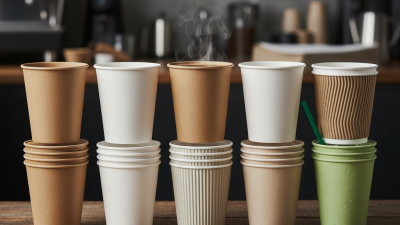
Single-wall cups suit short takeaway orders, such as espresso or tea. They are lightweight and economical, but hot drinks can feel uncomfortable without a sleeve.
Double-wall cups provide better insulation and remove the need for many sleeves. Ripple-wall cups add a textured outer layer, improving grip during crowded morning service.
For iced drinks, cold beverage cups usually have a moisture-resistant coating and work well with compatible lids. Some businesses also choose paper soup cups, which use sturdier structures for thicker, hotter contents.
Coatings may include plastic or plant-based materials. Recycling access varies by location, so check local waste guidance instead of assuming every cup is recyclable.
Tips: Test each cup with the actual drink for ten minutes. Check heat transfer, lid fit, leakage, and stacking space. A cup that looks attractive may still soften too quickly. That matters.
In my view, size selection is often overlooked. A small cup can control portions, while a larger cup supports generous drinks but uses more material. Printing can improve recognition, yet excessive decoration may increase production complexity. Ask suppliers for food-contact documentation and sample testing records. These details support safer purchasing and more consistent service.
How Do Paper Cups Support Branding and Customer Service?
Paper cups can turn a routine takeaway drink into a quiet brand message. A clean, well-fitted cup feels prepared, not improvised. Customers notice the print, lid fit, and hand comfort while waiting for their order. A simple logo, readable color, and consistent typography help people recognize a business from several steps away. The cup travels through offices, cars, and meeting rooms. That gives branding useful, physical reach.
Customer service also lives in small details. A sturdy rim reduces spills during a crowded morning rush. Clear size markings help staff serve the correct volume without repeated questions. A printed message can show allergy guidance, usage limits, or a friendly note without crowding the design. Food-contact materials should come from documented suppliers and meet applicable safety requirements. Staff should test each cup with hot drinks, cold drinks, and common lids before ordering large quantities. It sounds obvious. It is often missed.
Paper does not automatically mean sustainable. Coatings, inks, sourcing, and local recycling systems affect the actual impact. Businesses should request material specifications and avoid claims they cannot verify. Customer feedback also deserves attention after launch. Maybe the lettering looks attractive but becomes unreadable under condensation. Maybe the cup feels too thin for delivery. Those details can expose weak decisions early. A second sample may reveal more than a polished screen preview.
Why Choose Paper Cups for Your Business?
Typical Paper Cup Capacities for Consistent Branding and Customer Service
Paper cups are available in practical sizes for samples, coffee, tea, soft drinks, and takeaway beverages.
A consistent cup-size range helps staff serve customers efficiently, while the printable outer surface provides
a visible space for brand messages, product information, and promotional designs. Capacities are nominal
conversions from US fluid ounces; actual dimensions and fill volumes may vary by supplier.
What Should Businesses Consider Before Buying Paper Cups?
Before buying paper cups, businesses should examine how each cup will perform in real service. A café serving hot coffee needs heat resistance, a secure rim, and a lid that fits without pressure. A juice bar may need stronger moisture protection for cold drinks. Cup size also matters. A small mismatch can increase spills, waste, and customer complaints.
Material details deserve careful attention. Ask about the paper source, inner coating, food-contact testing, and production standards. “Eco-friendly” is not enough evidence. Some cups need special facilities for processing, while local recycling systems may accept only certain materials. Request clear documentation from the supplier. Check whether printed surfaces use suitable inks. Reliable records are more useful than attractive environmental claims.
Buying decisions should include storage and delivery conditions. Keep cartons dry, clean, and away from strong odors. Humid storage can weaken the cup before use. Test samples with the actual beverage temperature and serving time. A cup that works for ten minutes may fail during a long takeaway journey. Price still matters, but the cheapest option may create higher costs through leaks and replacements. I have seen purchasing plans focus too heavily on unit price. That approach can look efficient, yet it often misses the customer’s experience. A small trial order can reveal problems before a large commitment.