

Are PLA-Coated Paper Cups Truly More Eco-Friendly Than PE-Coated Ones?
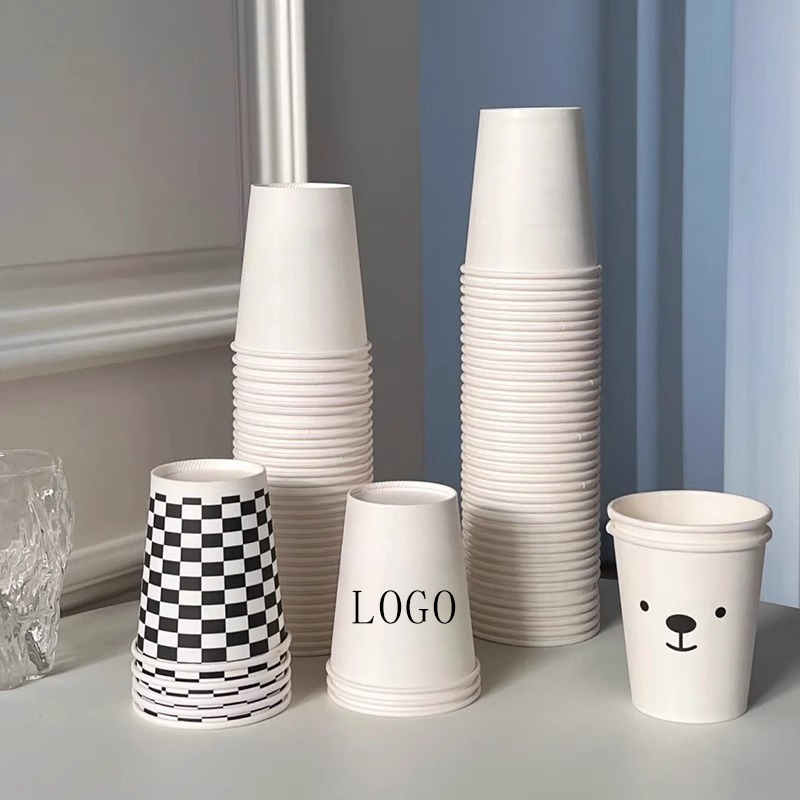
In our daily lives, Disposable Paper Cups are indispensable. Whether it's for entertaining guests or serving as a marketing tool, these cups have become essential in both personal and professional settings. Today, the market predominantly offers two types of disposable paper cups: PE-coated and PLA-coated. But which one is truly better and more environmentally friendly?
Understanding PE-Coated Paper Cups
Traditional disposable paper cups often use a layer of polyethylene (PE) coating on the base paper to achieve waterproof and oil-proof properties. While effective in functionality, PE-coated paper cups pose environmental challenges.
- Non-Biodegradable: These cups are not biodegradable and cannot be easily repulped or recycled.
- Difficult Separation: The polyethylene lining adheres tightly to the paper, making separation difficult during recycling processes.
Due to these limitations, PE-coated cups contribute significantly to plastic waste, especially when improperly disposed of.
What About PLA-Coated Paper Cups?
Polylactic Acid (PLA) is a newer type of material derived from renewable resources like corn starch. It is often marketed as a sustainable alternative to traditional plastics due to its "biodegradable" properties.
- Biodegradability Conditions: PLA can decompose under specific industrial composting conditions — typically requiring temperatures between 50–70°C and humidity levels of 50%–60%. Under such conditions, microorganisms break down PLA into carbon dioxide and water over several months.
However, real-world environments rarely meet these exact conditions, making spontaneous degradation unlikely.
- Limited Industrial Infrastructure: Proper degradation requires access to specialized composting facilities — infrastructure that is currently lacking in most parts of the world.
- Degradation Rate Comparison: Studies show that PLA degrades at a rate nearly identical to conventional plastics in natural environments like freshwater or seawater. Without proper industrial processing, PLA behaves similarly to traditional plastics.
- Environmental Classification: The European Plastics Association has stated that biodegradable plastics, including PLA, should not automatically be considered more eco-friendly than non-biodegradable alternatives if the required disposal conditions aren't met.
Cost Considerations
Another factor to consider is cost. PLA materials are approximately 2–3 times more expensive than PE. This higher price point affects consumer adoption and explains why PE remains the dominant choice in the disposable cup market despite its environmental drawbacks.
Conclusion
While PLA-coated paper cups offer potential sustainability benefits under ideal conditions, their real-world effectiveness hinges heavily on access to industrial composting facilities and proper disposal practices. Until those infrastructures are widely available, the environmental advantages of PLA remain limited. As such, neither option is inherently superior without considering practical usage and disposal scenarios.If you're looking for truly sustainable packaging solutions, exploring reusable alternatives or improving local recycling systems might yield more immediate environmental benefits.