


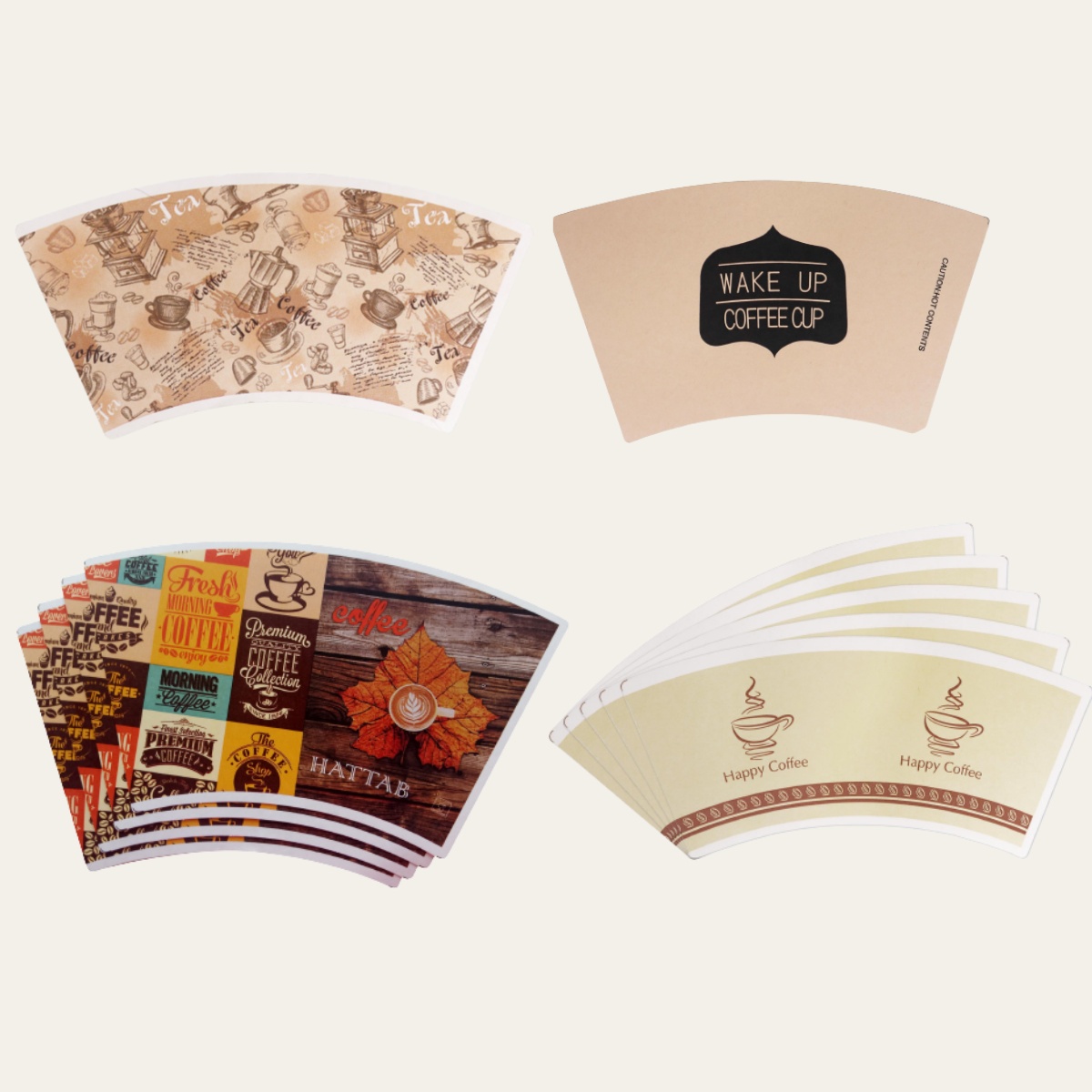
Differences Between Flexographic Printing and Offset Printing in Paper Cup Fan Production
Must be a lot of customers have questions about the Paper Cup raw materials in the paper cup fan printing, what is flexographic printing and offset printing , what is the difference between the both, applicable to which, let us answer your doubts!
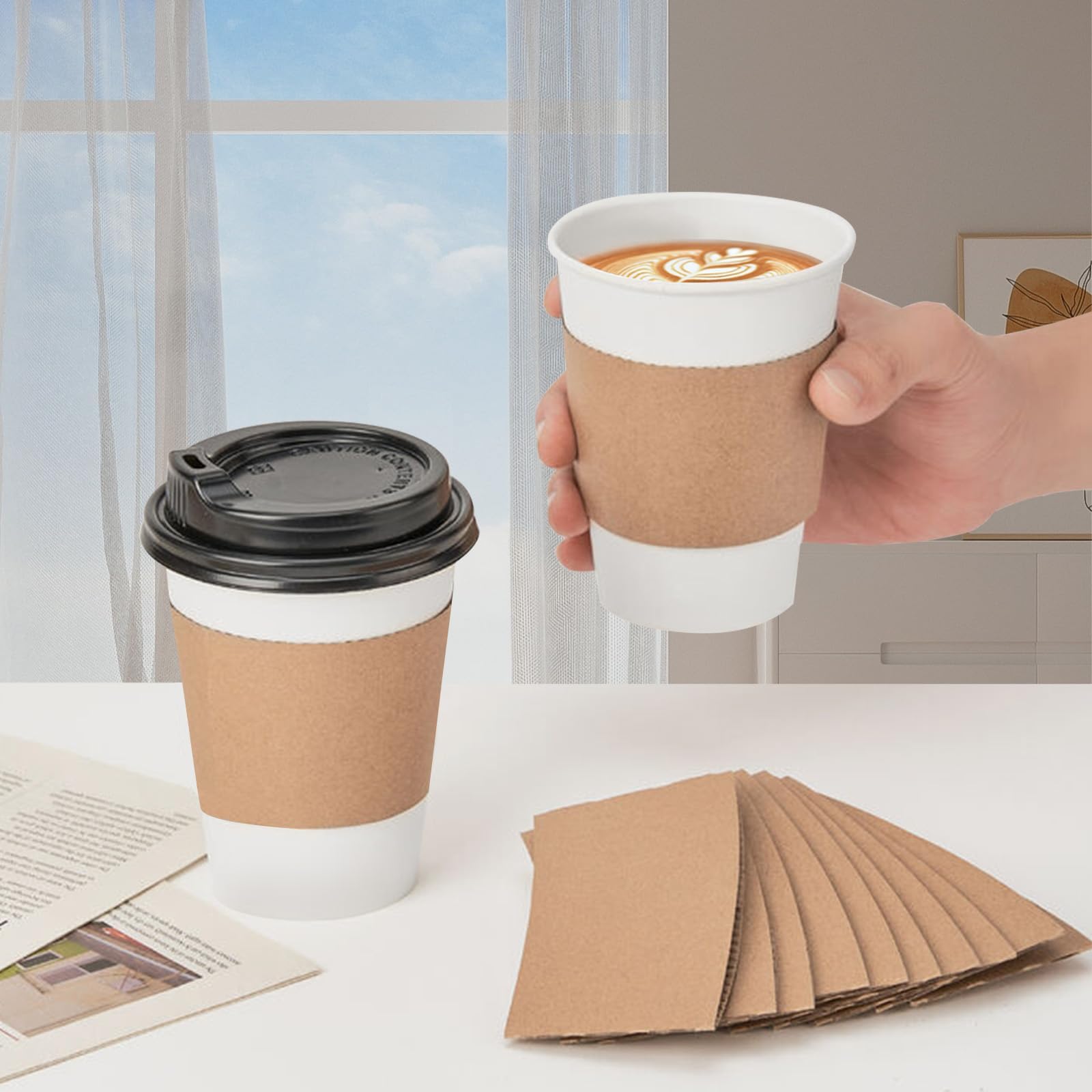
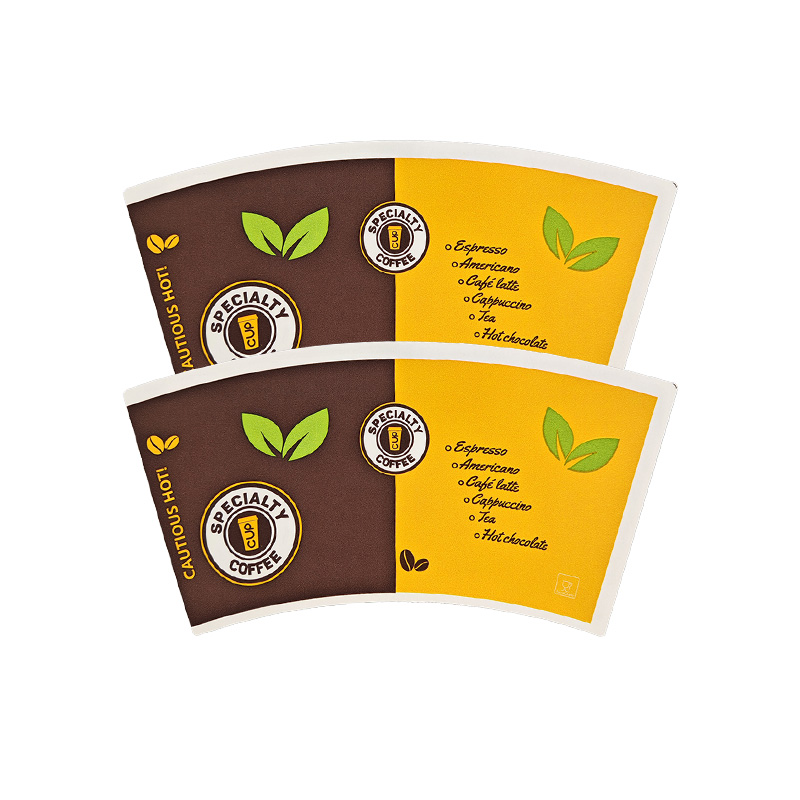
When producing paper cup fan, choosing the right printing method significantly affects the quality, cost, and efficiency of production. Flexographic printing and offset printing are the two most commonly used methods, each with distinct differences in process, application, and outcome.
1. Difference in Printing Process
Flexographic Printing:
· Uses flexible plates and fast-drying inks, transferring ink directly onto the substrate.
· Suitable for various materials, including food-grade and eco-friendly papers, offering efficiency and environmental benefits.
Offset Printing:
· Utilizes an indirect process where ink transfers to a rubber blanket before being applied to the paper.
· Delivers high precision, ideal for intricate designs, but requires higher-grade paper.
2. Applications and Cost
Flexographic printing is more suited for large-scale production of paper cup fan due to its high-speed efficiency, especially for repetitive patterns or simple designs. While plate-making costs are lower, initial equipment investment is higher, making it ideal for long-term production.
Offset printing is better for small to medium-scale production, especially when producing paper cup fan with high-quality graphics and intricate designs. It offers superior color reproduction but is slower and more costly.
3. Environmental Impact and Inks
Flexographic printing often uses water-based inks, which are environmentally friendly and non-toxic, meeting safety standards for food packaging. Therefore, flexographic printing is commonly used for producing eco-friendly and biodegradable paper cup fan.
Offset printing typically employs oil-based inks, which offer superior color vibrancy but may require additional measures to mitigate environmental impact.
Conclusion
For paper cup fan, flexographic printing is ideal for large-scale, simple designs due to its efficiency and environmental benefits, while offset printing is better for small to medium-scale production with intricate designs due to its superior quality. Choosing the right method based on product requirements ensures better alignment with market and customer needs.