

PE Coated Paper vs PLA Coated Paper: Key Differences and Which One Suits You Better
PE (Polyethylene) Coated Paper and PLA (Polylactic Acid) coated paper are both popular choices for eco-friendly food packaging. However, theirmaterials, environmental impact, and performance differ significantly. Below is a comparison to help you decide which option aligns best with your needs.
1. Pe Coated Paper
Material: Made by coating paper with a thin layer of polyethylene (plastic), PE-coated Paper Combines paper’s flexibility with plastic’s barrier properties.
Key Benefits:
Cost-Effective: Affordable compared to alternatives like PLA-coated paper.
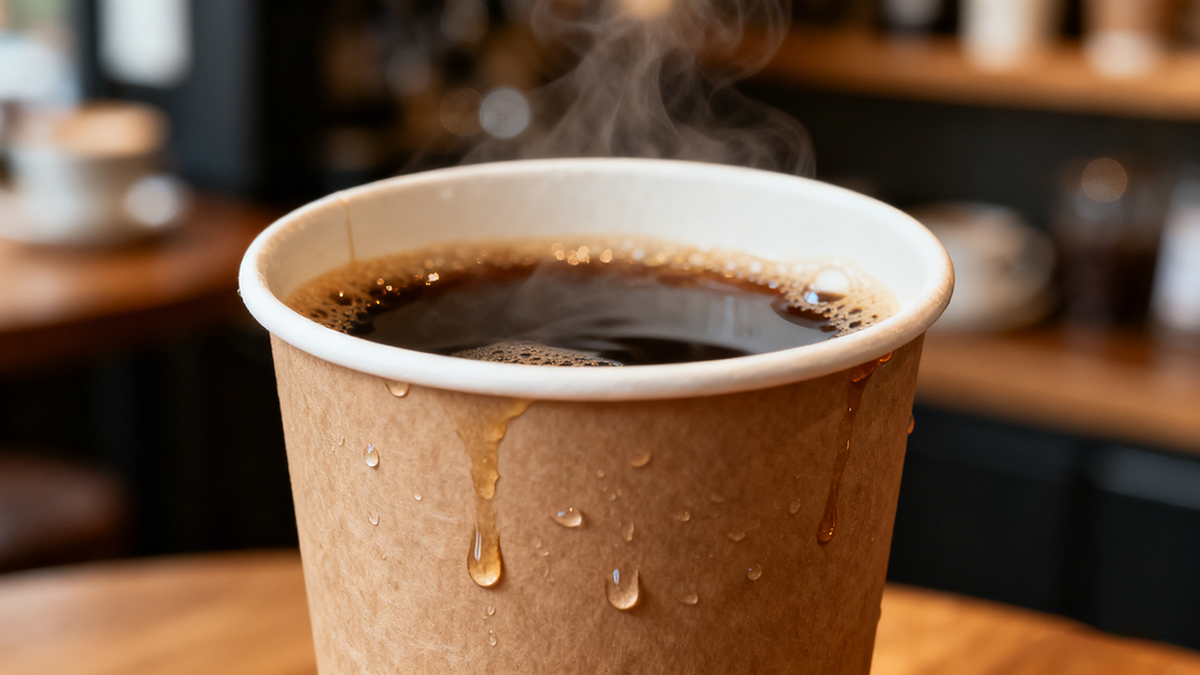
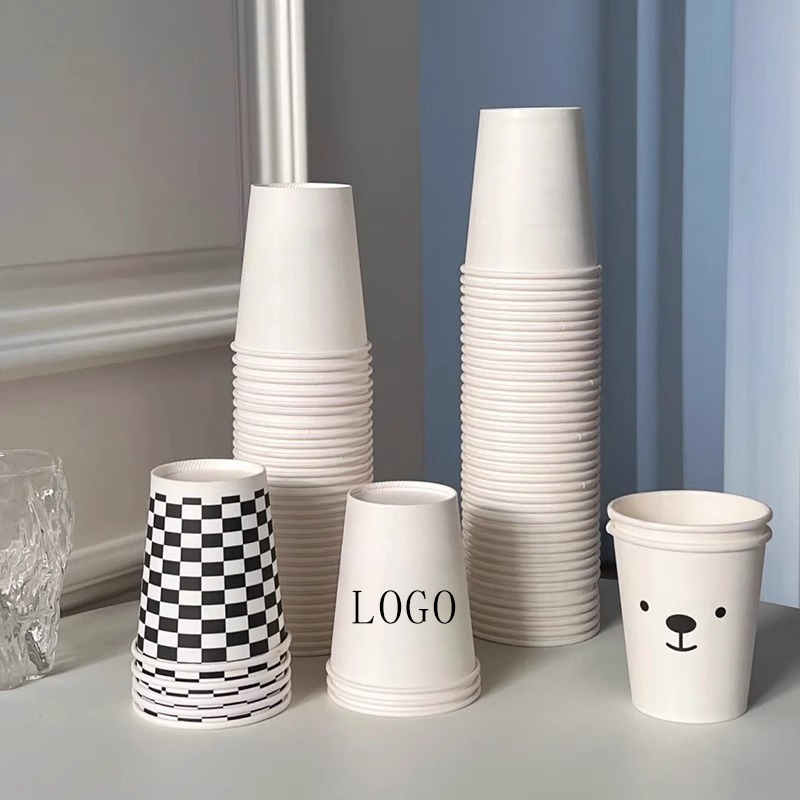
Waterproof & Grease-Resistant: Ideal for liquids (e.g., disposable cups) and oily foods (e.g., fast food containers).
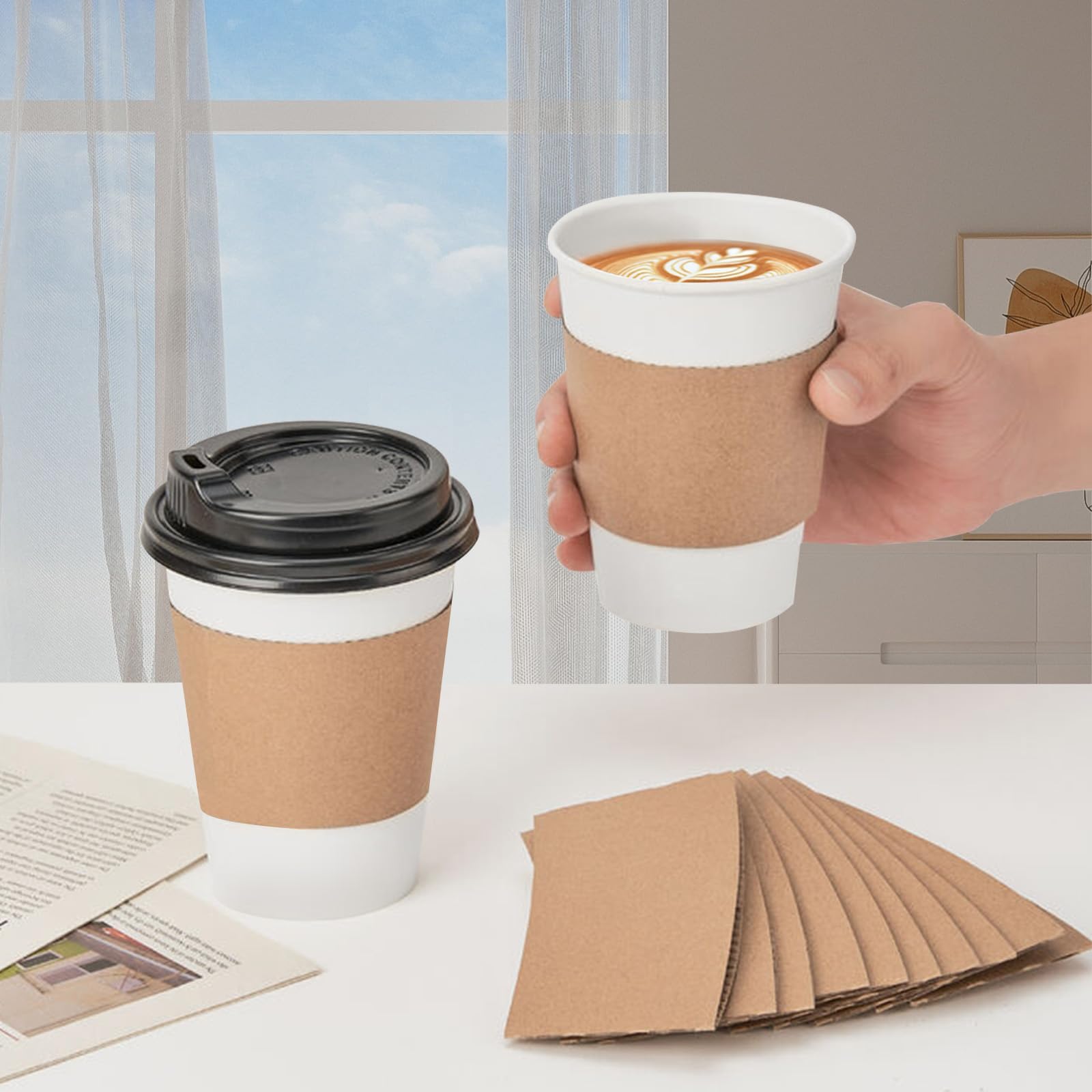
Versatility: Suitable for both hot and cold foods, such as coffee cups, burger boxes, and fried chicken buckets.
Key Drawbacks:
Non-Biodegradable: The plastic coating persists in landfills for centuries, contributing to environmental pollution.
on-Compostable: Cannot be composted or turned into soil nutrients.
Environmental Concerns: The plastic layer raises sustainability issues despite its practicality.
2. PLA Coated Paper
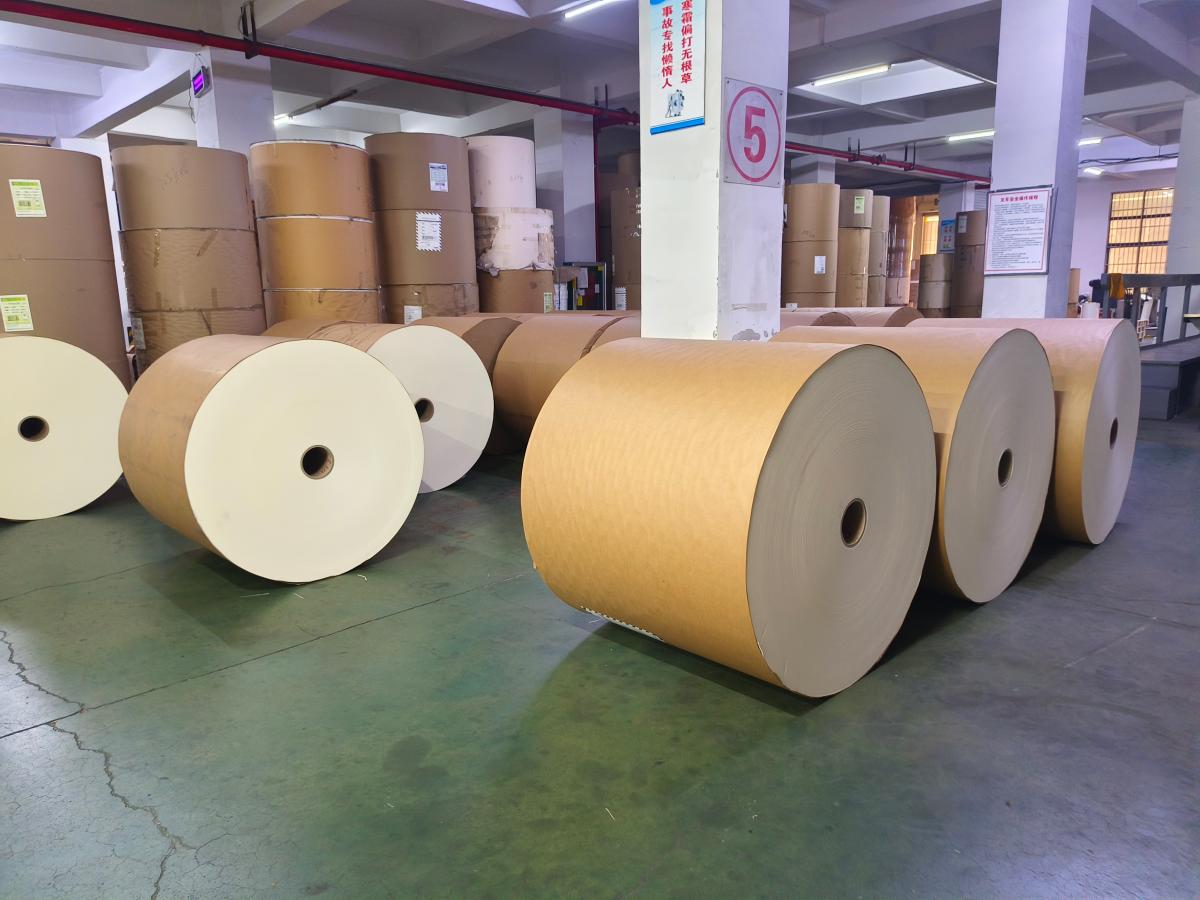
Material: Uses PLA—a bioplastic derived from renewable resources like cornstarch or sugarcane—to coat paper, ensuring biodegradability.Key Benefits:
Eco-Friendly: Made from renewable resources, PLA breaks down naturally within months under industrial composting conditions.
Compostable: Can be safely composted to enrich soil without leaving microplastics.
Food Safety: Free of harmful chemicals, meeting food-contact standards.
Reduces Plastic Dependence: A sustainable alternative to petroleum-based plastics.
Key Drawbacks:
Higher Cost: Production involves complex processes and limited raw material supply, making PLA more expensive than PE.
Limited Heat Resistance: PLA softens at high temperatures (>70°C/158°F), making it unsuitable for hot beverages or steaming foods.
Narrower Applications: Less effective for highly greasy or wet foods compared to PE.
3. Which Option is Better?
The choice depends on your priorities and use case:
Choose PE Coated Paper If:
Budget is a constraint.
You need robust heat/water resistance (e.g., hot drinks, greasy snacks).
You prioritize immediate practicality over long-term environmental impact.
Choose PLA Coated Paper If:
Sustainability is your top priority (e.g., compostable waste streams).
Packaging requires minimal environmental harm (e.g., cold snacks, dry goods).
You target eco-conscious consumers willing to pay a premium.
Final Considerations
Compostability Infrastructure: PLA’s benefits depend on access to industrial composting facilities. In regions without such infrastructure, it may degrade like traditional plastic.
Hybrid Solutions: Some manufacturers combine PE and PLA to balance cost and eco-friendliness (e.g., partial PLA coatings).
Conclusion: While PE excels in affordability and versatility, PLA leads in sustainability. Assess your operational needs, budget, and environmental goals to make an informed decision.