2026 Best Types of Cardboard Sheets for Packaging
Choosing the right Cardboard Sheets in 2026 requires more than comparing thickness or price. Packaging teams must examine product weight, moisture exposure, stacking pressure, printing needs, and delivery distance. A bakery box faces grease and heat. An electronics carton needs cushioning and dimensional stability. A warehouse shipper may endure vibration, compression, and rough handling.
Walter Soroka, a respected packaging author and educator, described packaging as “the science, art, and technology of enclosing and protecting products for distribution, storage, sale, and use.” His definition remains practical. Cardboard Sheets are not merely flat materials. They influence protection, presentation, storage efficiency, and material consumption. Small choices matter. A poorly matched sheet can bend, split, or waste space.
This guide examines the best types of cardboard sheets for packaging in 2026. It compares corrugated board, solid fiberboard, folding carton board, honeycomb board, and specialty coated sheets. The discussion considers structure, performance, sustainability, and real packaging conditions. Recycled content sounds valuable, but it may reduce strength in demanding environments. Lightweight design can lower shipping emissions, yet excessive reduction may create product damage. The answer is rarely perfect. It depends on testing, supplier consistency, and honest review of failed samples. Expect useful direction, not a universal solution.
Cardboard Sheet Basics and Packaging Classification
Cardboard Sheet Basics and Packaging Classification
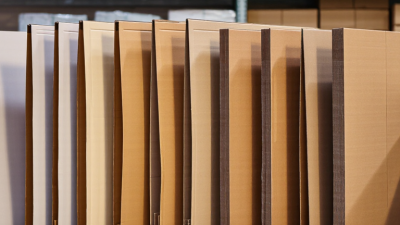
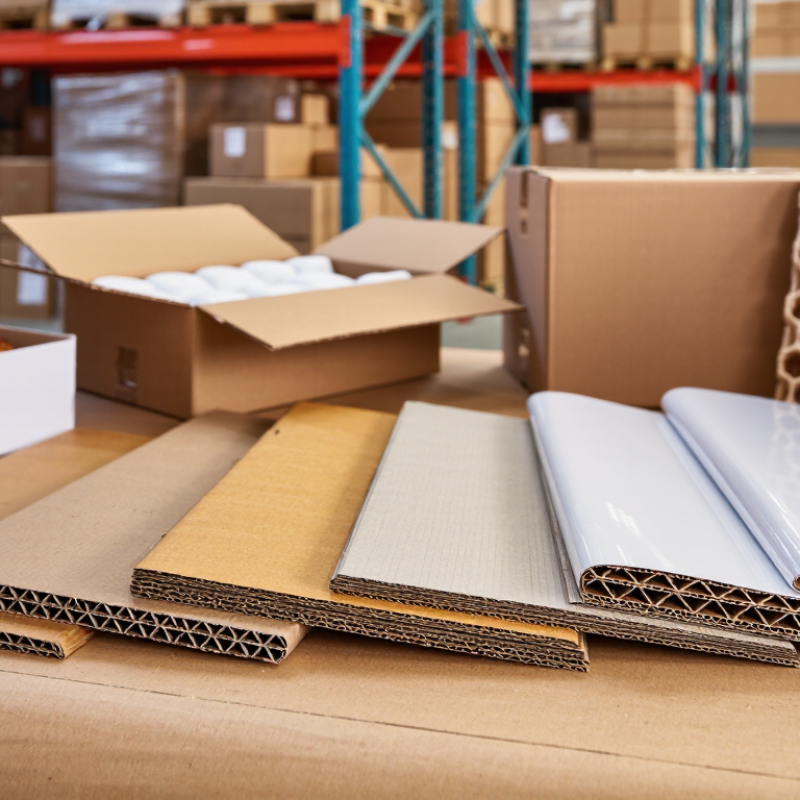
Cardboard sheets are classified by structure, thickness, fiber type, and intended packaging load. Folding carton board is smooth, printable, and suited to lightweight retail boxes. Corrugated board adds fluted paper between liners, creating cushioning and stacking strength. Single-wall sheets suit ordinary shipping needs, while double-wall sheets handle heavier products and longer transport routes.
It feels simple. It is not.
Paperboard made from recycled fibers can reduce material demand, but moisture may weaken it quickly. Kraft-based sheets usually offer useful strength, while coated sheets improve surface appearance and resistance to light handling damage. Chipboard is economical for dividers, sleeves, and dry products, though it may bend under concentrated weight.
In 2026, selecting the best cardboard sheet should begin with the product’s real environment. Check weight, box dimensions, stacking duration, humidity, vibration, and possible impacts. Compression tests and edge-crush tests provide stronger evidence than thickness alone. A thick sheet is not always better. Sometimes, it only adds cost and shipping weight.
Packaging classification can also include primary, secondary, and tertiary packaging. A direct product carton is primary packaging. A shipping case is tertiary packaging. Real designs may fit more than one category, which makes quick specifications imperfect. Small samples should be tested before production, especially when recycled content or surface coatings change the sheet’s behavior.
2026 Best Types of Cardboard Sheets for Packaging
Cardboard Sheet Basics and Packaging Classification
The chart compares representative caliper values for common packaging board classes. Folding boxboard and solid board are generally used for cartons and sleeves, while single-wall and double-wall corrugated sheets provide progressively higher cushioning and stacking strength. Actual thickness varies according to paper grade, flute profile, liner combination, and converting requirements.
Major Cardboard Sheet Types Used for Packaging in 2026
Packaging teams in 2026 will rely on several major cardboard sheet types. Corrugated board remains the workhorse for shipping cartons. Its fluted middle layer cushions products and reduces damage from drops. Smithers’ The Future of Corrugated Packaging to 2028 estimated a global market value of 205.6 billion dollars in 2023. It projected growth to 238.6 billion dollars by 2028. The trend reflects e-commerce, food delivery, and stricter material-efficiency goals.
Folding boxboard suits retail cartons, cosmetics, dry foods, and small consumer goods. Its smooth surface supports sharp graphics and clean creases. Solid bleached sulfate offers a brighter, more rigid sheet for premium presentation. Recycled chipboard costs less and works well for backing cards, dividers, and secondary packs. It may show darker fibers. That is not always a defect. It can signal practical material use.
Kraftliner and testliner form common corrugated facings. Kraftliner generally provides stronger resistance, while testliner can lower cost and recycled content. Honeycomb paperboard adds lightweight cushioning for furniture, appliances, and large panels. The Fibre Box Association reported roughly 407 billion square feet of corrugated products shipped in the United States during 2023. Numbers matter, but they do not replace testing. A sheet that performs well in a laboratory may fail after humidity, compression, and repeated handling. Measure twice. Packaging specifications should include flute profile, edge-crush strength, moisture exposure, print needs, and recovery requirements.
2026 Best Types of Cardboard Sheets for Packaging - Major Cardboard Sheet Types Used for Packaging in 2026
| Cardboard Sheet Type |
Typical Structure |
Typical Basis Weight |
Typical Thickness |
Compression Performance |
Moisture Resistance |
Common Packaging Uses |
Recyclability |
| Single-Wall Corrugated Sheet |
One fluted paper layer bonded between two linerboards |
250–650 g/m² |
1.5–5 mm |
Medium |
Low to medium |
General shipping boxes, mailers, retail cartons, product dividers |
High |
| Double-Wall Corrugated Sheet |
Two fluted layers separated and protected by three linerboards |
500–1,100 g/m² |
5–8 mm |
High |
Low to medium |
Heavy products, appliances, industrial components, pallet shipments |
High |
| Triple-Wall Corrugated Sheet |
Three fluted layers with four linerboards for maximum board strength |
900–1,800 g/m² |
10–15 mm |
Very high |
Low to medium |
Export crates, oversized equipment, automotive parts, protective transport packaging |
High |
| Solid Bleached Board (SBB) |
Premium, predominantly bleached chemical-pulp paperboard with a smooth surface |
200–600 g/m² |
0.25–0.75 mm |
Medium |
Low unless coated |
Cosmetic cartons, pharmaceutical packs, premium food packaging, folding cartons |
High |
| Folding Boxboard (FBB) |
Multi-layer paperboard, commonly with a bleached outer surface and mechanical-pulp middle layer |
200–700 g/m² |
0.3–0.9 mm |
Medium to high |
Low unless coated |
Retail cartons, dry food packs, personal-care packaging, consumer product boxes |
High |
| Coated Recycled Board (CRB) |
Recycled fiber paperboard with a coated top surface for print quality and barrier improvement |
250–700 g/m² |
0.35–1.0 mm |
Medium |
Low to medium |
Dry food cartons, household products, retail packaging, promotional sleeves |
High |
| Uncoated Recycled Board |
Paperboard made mainly from recovered fibers with a natural, uncoated surface |
300–800 g/m² |
0.4–1.2 mm |
Medium |
Low |
Backers, inserts, partitions, industrial packaging, protective sheets |
High |
| Kraft Paperboard Sheet |
Strong brown paperboard produced primarily from unbleached kraft pulp |
250–700 g/m² |
0.3–1.0 mm |
Medium to high |
Low unless treated |
Mailers, bags, sleeves, wrapping sheets, sustainable retail packaging |
High |
| Wet-Strength Paperboard |
Paperboard treated with wet-strength additives to retain structure after exposure to moisture |
250–700 g/m² |
0.3–1.0 mm |
Medium |
Medium to high |
Chilled food cartons, beverage carriers, produce packaging, damp-environment packs |
Usually high* |
| Honeycomb Paperboard |
Flat paper facings bonded to a paper honeycomb core |
400–1,500 g/m² |
10–50 mm |
High for its weight |
Low |
Edge protectors, pallet pads, furniture protection, void filling, lightweight separators |
High |
|
Note: Specifications are typical industry ranges and may vary according to fiber composition, flute profile, coating, moisture exposure, converting method, and intended load. Recyclability depends on local collection systems and the presence of coatings, laminates, adhesives, or wet-strength treatments.
|
Sustainability, Storage, and Future Packaging Considerations
2026 Best Types of Cardboard Sheets for Packaging
Sustainability, Storage, and Future Packaging Considerations
Choosing cardboard sheets in 2026 requires more than comparing caliper and price. Storage conditions now matter as much as sustainability claims. For dry, stacked goods, recycled corrugated board can provide practical protection with lower virgin-fiber demand. However, repeated wetting weakens fiber bonds and reduces compression strength. That trade-off is often missed.
Single-wall sheets suit lighter parcels, while double-wall sheets support heavier loads and longer storage. Solid board provides a smoother surface, but may require more material. According to the U.S. Environmental Protection Agency’s 2018 Advancing Sustainable Materials Management report, corrugated containers achieved a 96.5% recovery rate. Recovery is not the same as recycling. Contamination, wet storage, and laminated coatings can still remove sheets from the usable fiber stream. The European Paper Recycling Council reported an 82.5% paper recycling rate in Europe for 2023. This supports fiber recovery, not unlimited packaging use.
Storage planning deserves equal attention. Keep bundles above the floor, away from exterior walls, and allow air circulation. High humidity can curl sheets, soften edges, and cause failed pallet stacking. Future-ready specifications should include recycled content, fiber certification, moisture testing, and documented end-of-life routes. Yet certification alone cannot fix overpackaging. A smaller, well-designed sheet often beats a thicker sheet. That is the uncomfortable caveat: material substitution can shift impacts instead of removing them. Life-cycle comparisons should measure fiber, energy, transport, damage, and actual recovery conditions.