fsc
Leave Your Message

How to Choose the Best Paperboard Cups for Your Business?

Choosing the right Paperboard Cups is crucial for any business. The global paper cup market is projected to reach $4.2 billion by 2027, growing at a CAGR of 3.2%. Consumers increasingly prefer sustainable options. Paperboard Cups, made from renewable resources, align with this trend. They offer a biodegradable alternative to plastic.

However, selecting the best Paperboard Cups involves more than just sustainability. Quality matters. Poorly made cups can leak and ruin customer experiences. A recent study indicated that 25% of consumers have avoided businesses due to subpar packaging. These details highlight the importance of careful selection.

Consider the size, design, and insulation properties of Paperboard Cups. Each aspect can impact brand perception. Additionally, keep an eye on regulatory changes in packaging materials. Staying informed can be a challenge but is essential for compliance and customer satisfaction.

How to Choose the Best Paperboard Cups for Your Business?

Understanding the Different Types of Paperboard Cups Available

How to Choose the Best Paperboard Cups for Your Business?

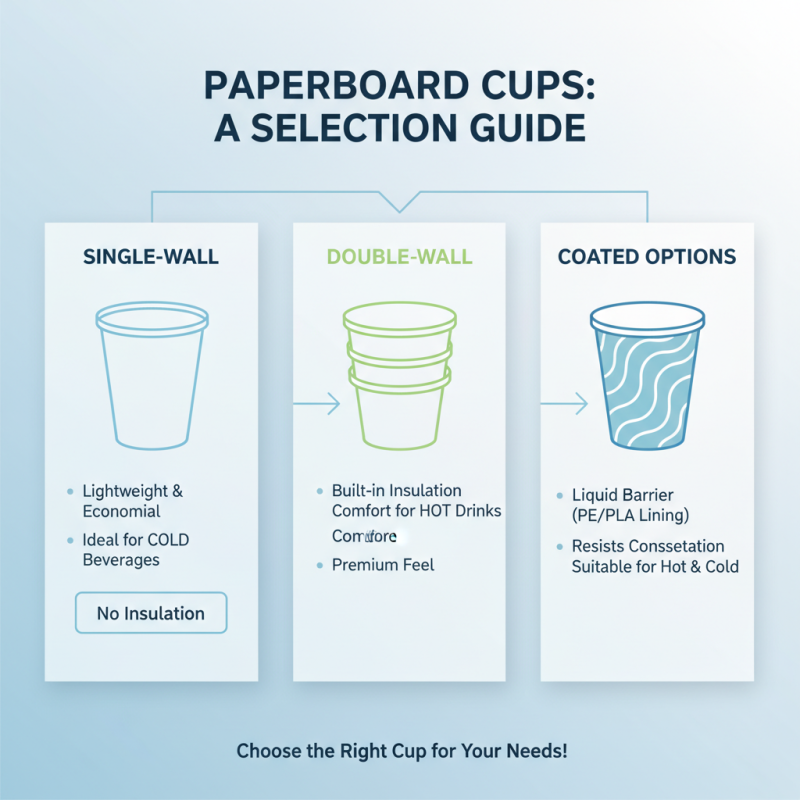
When selecting paperboard cups, understanding the various types available is essential. There are single-wall, double-wall, and coated options. Each serves unique purposes and offers different benefits. For example, single-wall cups are lightweight and economical, making them a popular choice for cold beverages. However, they lack insulation, which may deter customers seeking piping hot drinks.

Double-wall cups provide superior insulation. According to industry data, the double-wall paper cup market is projected to grow by 6.5% annually. Many consumers prefer them for hot beverages, as they reduce the risk of burns. Coated paperboard cups have a polyethylene lining. This lining makes them leak-proof, ideal for soups or smoothies. They are sturdy but may not be biodegradable, which can be a drawback for environmentally-conscious businesses.

Selecting the right cup also involves balancing cost and quality. Cheaper options may seem tempting, but they often come with downsides. For instance, flimsy cups can collapse under pressure, impacting customer experience. Understanding the various types of paperboard cups helps businesses make informed decisions, ultimately improving customer satisfaction. This is crucial in a competitive market where first impressions matter.

Evaluating Paperboard Cup Sizes and Capacities for Your Needs

When choosing paperboard cups for your business, size and capacity are crucial. The right sizes impact customer satisfaction and operational efficiency. Various capacities are available, ranging from small espresso shots to large sodas. Knowing your target audience is key to selecting the most appropriate options.

Consider how many ounces your customers prefer. Smaller sizes (6-10 ounces) work well for hot drinks. Larger sizes (12-24 ounces) are better for iced beverages. Always evaluate your product offerings. A mismatch in size can lead to waste and dissatisfied customers. It's important to analyze sales trends to identify popular drink sizes.

Reflect on the materials and thickness of the cup. Thicker cups provide better insulation but can cost more. Balancing quality with affordability is essential. Pay attention to customer feedback. Eventual adjustments may be necessary to align with their preferences. Neglecting these aspects can lead to inefficiencies and lost sales opportunities.

Assessing the Environmental Impact of Paperboard Cups

When assessing the environmental impact of paperboard cups, businesses face critical decisions. Research indicates that paperboard cups can be more sustainable than plastic. According to the Environmental Paper Network, the production of paperboard cups typically results in lower greenhouse gas emissions compared to their plastic counterparts. However, not all paperboard is created equal. Sourcing practices and manufacturing methods significantly influence overall sustainability.

Businesses should be mindful of certifications. Look for products that meet standards like the Forest Stewardship Council (FSC) certification. This ensures the material is sourced responsibly. Also consider the life cycle impact of products. A report by the American Forest & Paper Association highlights that recycling rates for paperboard are about 70%, which is a notable advantage for environmental sustainability.

Tip: When choosing paperboard cups, consider their compostability and recyclability. It's also beneficial to support suppliers committed to sustainable practices. Engage in transparency regarding sourcing, which can enhance a business's reputation. Remember to evaluate the entire supply chain for its environmental footprint. Reflect on how your choices align with your business values regarding sustainability.

Comparing Cost-Effectiveness and Quality of Paperboard Cups

When selecting paperboard cups for your business, understanding cost-effectiveness and quality is crucial. The right choice impacts both your budget and customer experience. High-quality paperboard cups maintain structural integrity, ensuring they don’t leak or collapse. Poor quality might save money initially, but it could lead to customer dissatisfaction.

Comparing prices can be misleading. Cheaper options often compromise quality. Look for suppliers who provide detailed information about their products. Check the materials used, thickness, and whether the cups are biodegradable. Some lower-cost cups might not withstand hot beverages, leading to potential spills. This can result in a loss of trust among customers.

Consider the environmental impact as well. Sustainable options might have a higher upfront cost but could attract eco-conscious consumers. Introducing these cups can enhance your brand’s reputation. Balancing cost and quality requires careful evaluation. Be willing to experiment with different suppliers and assess customer feedback. Adjusting your choice based on their responses can lead to better decisions in the long run.

Comparison of Cost-Effectiveness and Quality of Paperboard Cups

Choosing the Right Suppliers for Paperboard Cups for Your Business

How to Choose the Best Paperboard Cups for Your Business?

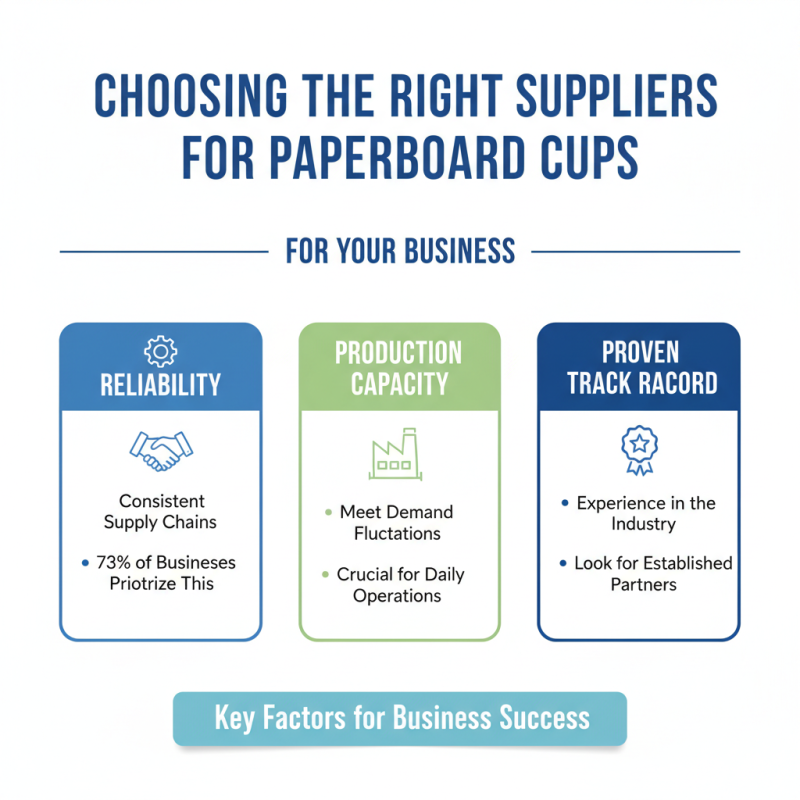
When selecting suppliers for paperboard cups, several key factors come into play. Reliability and production capacity are paramount. Reports indicate that 73% of businesses prioritize consistent supply chains. A supplier’s ability to meet demand fluctuations is crucial for daily operations. Look for partners with a proven track record in the industry.

Another important element is sustainability. The demand for eco-friendly products has surged, with studies showing that 92% of consumers prefer brands that prioritize sustainability. Investigate suppliers who use recyclable materials and sustainable practices. They should provide transparency about their sourcing and manufacturing processes. This creates a positive brand image and can attract more environmentally conscious customers.

Moreover, consider the costs involved. Balancing price and quality is essential. Reports reveal that 56% of businesses find it challenging to maintain this balance. Seek quotes from multiple suppliers but don’t compromise on quality for lower prices. An excellent cup can enhance customer experience, while a poor one can lead to negative feedback. Assessing these aspects ensures that you partner with a supplier who enhances your brand's credibility.