How to Source Quality Paper Paper Board for Your Business?
Sourcing quality Paper Paper Board for your business can be a challenging task. The right materials can affect product quality and sustainability. For many businesses, the decision involves more than just price. Factors such as material origin, production methods, and supplier reliability play a significant role.
When searching for Paper Paper Board, it's essential to evaluate potential suppliers carefully. Look for companies with a strong reputation in the industry. Consider their experience and the feedback from previous clients. Not all suppliers will meet your standards. Some might promise high quality but fail to deliver.
Understanding the specifications of Paper Paper Board is crucial. The thickness, texture, and strength can influence its performance for various applications. You may need to try samples before making a decision. This process can be time-consuming, but it's necessary to ensure you get the best product for your needs.

Understanding Different Types of Paper and Paperboard for Your Business
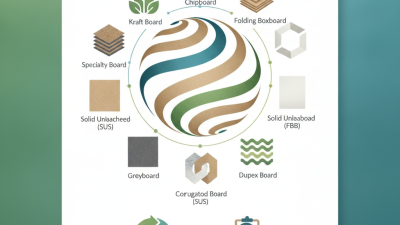
Understanding different types of paper and paperboard is crucial for any business looking to optimize its sourcing strategy. The global paper and paperboard market is projected to reach over $500 billion by 2025, highlighting the significance of quality selection. Various types of paper serve specific needs. For instance, coated paper offers a smooth finish ideal for prints, while uncoated paper is commonly used for writing purposes. Knowledge of these variances can influence the purchasing decisions and ultimately the product's marketability.
Pay attention to the weight and thickness of paper. The weight, measured in grams per square meter (GSM), affects durability and texture. A heavier GSM typically means a sturdier product. For instance, cardboard boxes often use paperboard ranging from 200 to 500 GSM. Understanding these parameters helps businesses choose materials that align with their brand identity and functionality.
When sourcing, consider sustainability. Eco-friendly options like recycled paper are gaining traction. Reports show that over 60% of consumers prefer products using sustainable materials. This aspect could easily enhance brand loyalty. Always verify suppliers' claims through certifications, ensuring that you aren’t misled. Quality checks and supplier audits can prevent future challenges and maintain your business reputation.
Identifying Reliable Suppliers for Quality Paper and Paperboard
When sourcing quality paper and paperboard, identifying reliable suppliers is crucial. Start by researching potential suppliers thoroughly. Look for companies with a solid track record and positive customer reviews. This step is essential in ensuring the quality of materials you will receive. Check for certifications that indicate sustainable practices and adherence to industry standards.
Building relationships with suppliers can yield better results. Attend industry trade shows or local events where you can meet reps in person. Discuss your specific needs and gauge their understanding of products. Ask about their sourcing process and quality control measures. This will help you assess their expertise and commitment to excellence.
Evaluate samples before making decisions. Request samples to examine the texture, weight, and overall quality of the paper. Sometimes, what looks good online may not meet your expectations in person. Reflect on past purchases and be ready to ask for adjustments. This iterative learning process helps refine your choice of suppliers. Engaging in direct communication can also clarify any doubts and lead to better partnerships.
Evaluating Product Specifications and Standards for Your Needs
When evaluating product specifications and standards for sourcing quality paper and paperboard, it's vital to understand your specific needs. Different projects require different types of paper. For instance, a report by Smithers Pira indicates that the global demand for biodegradable paper products is rising, projected to reach 5.6 million tons by 2025. This highlights the shift towards sustainable materials, underlining the importance of considering environmental impact in your sourcing decisions.
In assessing specifications, key factors include weight, brightness, and opacity. The ISO 536 standard is a common reference for measuring the grammage of paper, ensuring it meets your project's requirements. Furthermore, understanding the grading system can aid in selecting the right product. Approximately 30% of businesses report difficulties in matching the right paper type to their needs. This indicates a significant gap in product knowledge in the industry, urging suppliers to offer better educational resources.
A reliable supplier will provide certifications such as FSC or PEFC, ensuring environmental compliance. However, not all manufacturers adhere strictly to these standards, which can lead to inconsistent quality. A survey conducted by the Paper and Packaging Board showed that 45% of businesses encountered quality issues when sourcing paper products. This statistic emphasizes the need for thorough vetting of suppliers to ensure they align with your quality expectations.
Negotiating Prices and Terms for Optimal Sourcing Deals
Negotiating prices and terms is crucial in sourcing quality paper and paperboard. The global paper industry is projected to grow by 2.5% annually, reaching a market value of approximately $250 billion by 2026. Understanding market trends can give you leverage when discussing prices with suppliers. Seasonal demands can heavily influence pricing; being aware of these fluctuations can aid your negotiation strategy.
When negotiating, ensure you evaluate total costs beyond the unit price. Factors such as shipping fees, minimum order quantities, and payment terms can significantly affect your overall expenses. Research shows that 70% of businesses report improved supplier relationships when transparent communication is employed. Establish a rapport with your suppliers; this can lead to better terms in future negotiations.
However, negotiating isn't foolproof. Suppliers may refuse to adjust prices based on their cost structures. A study indicates that 30% of sourcing managers felt they lacked adequate leverage in negotiations. Be prepared to walk away if terms aren't favorable; this stance can often prompt suppliers to reconsider their offers. Additionally, always assess the quality versus cost relationship. Sometimes, the cheapest option may not uphold the standards your business requires. Balancing quality and price is essential in creating sustainable sourcing agreements.
How to Source Quality Paper Paper Board for Your Business?
| Supplier Type |
Quality Rating |
Price per Ton (USD) |
Minimum Order Quantity (Ton) |
Lead Time (Days) |
Payment Terms |
| Local Supplier |
A |
800 |
5 |
10 |
50% Upfront |
| International Supplier |
B |
750 |
10 |
30 |
Full Payment on Order |
| Wholesale Distributor |
A |
700 |
20 |
15 |
Net 30 |
| Online Marketplace |
C |
680 |
1 |
7 |
PayPal |
Ensuring Sustainable and Eco-Friendly Sourcing Practices in Paper Procurement
Sourcing quality paper and paperboard requires a focus on sustainability. Globally, 72% of paper is recycled, yet only 10% of paper products are made from recycled content. This raises questions about how businesses select their materials.
Choosing sustainable sources starts with understanding certifications like FSC (Forest Stewardship Council). These certifications help ensure that wood comes from responsibly managed forests. A study by the World Wildlife Fund noted that 30% of deforestation is linked to the paper industry. Engaging with suppliers who prioritize eco-friendly practices can help alleviate this issue.
Education is vital for companies looking to improve sourcing practices. Many businesses lack awareness of the environmental impact of paper production. By investing in training, companies can train staff on the importance of sourcing recycled and sustainably produced materials. This shift can result in significant changes, but it requires a persistent commitment to sustainability and transparency.