Paper & Paperboard play a vital role in our daily lives. According to the American Forest & Paper Association, the paper industry contributes over $200 billion to the U.S. economy. This reflects the significant demand for these materials. In fact, the global consumption of paper and paperboard reached around 400 million metric tons in 2022.
From packaging to education, these materials are everywhere. Everyday items include grocery bags, notebooks, and packaging for products. They also serve essential roles in industries like food and pharmaceuticals. However, the reliance on paper can lead to environmental concerns. The production process can impact forests and promote waste. Therefore, it is crucial for consumers to consider sustainable choices.
Innovations in recycling and alternative materials are essential. With the right strategies, the industry can reduce its ecological footprint. Paper & Paperboard will continue to be integral, but we must reflect on their environmental impact. Balancing utility and sustainability is a challenge we all face.

Paper products form a crucial part of our daily lives at home. Every household uses them in diverse ways. Toilet paper and facial tissues are fundamental for hygiene. They provide comfort during illnesses and help maintain cleanliness. Paper towels offer a quick solution for spills and messes, making cleaning easier and more efficient.
Not only for cleaning, but paper also plays a role in cooking. Baking paper protects pans and makes cleanup simple. Recipe cards or printed recipes often sit prominently on our kitchen counters. They are easy to follow and make meal preparation smoother. However, paper products can accumulate quickly, leading to clutter.
In the classroom, paper is indispensable. Notebooks, art paper, and printing paper support learning and creativity. Kids express themselves through drawings or homework. Yet, it's easy to overlook the environmental impact of excessive paper use. Awareness and mindfulness in usage can help minimize waste. Adopting recycling habits is essential for sustainability.

In office and business settings, paper and paperboard serve many vital purposes. Note-taking pads are common. They allow employees to jot down important points during meetings instantly. This simple tool enhances productivity and organization. Additionally, paper folders help keep documents structured and accessible. They prevent the chaos of loose papers, making it easier for professionals to find essential files.
Business cards, often overlooked, play a critical role in networking. A well-designed card leaves a lasting impression. Many companies also utilize paper in labeling products. Clear labels improve inventory management and streamline operations. Among various uses, invoices and financial statements are crucial. These documents ensure transparency and maintain accountability in transactions.
However, not everything is perfect. The reliance on paper can lead to waste and environmental concerns. Businesses must consider sustainable alternatives to traditional paper products. Balancing efficiency with ecological responsibility is essential. Reflecting on these challenges can help create a mindful approach to paper use in the workplace.
Paper is not just for writing. It’s a versatile medium in arts and crafts. You can create beautiful artworks with just a few sheets of paper. Origami, the art of paper folding, transforms simple paper into intricate designs. It challenges your dexterity and creativity as you manipulate each crease and fold. The final results can be stunning, displaying the beauty of precision and patience.
Another fascinating use is paper mâché. This technique involves layering paper with glue to create sculptures and masks. The process can be messy but rewarding. You’ll learn from mistakes as the layers dry and shape your imagination. Consider trying out different textures and colors to enhance your creations. Embrace the imperfections; they add character to your work.
Collage is another engaging craft. Gather various materials, from magazine clippings to textured paper. This practice encourages experimentation. Layer colors and images to tell a story or express emotions. The possibilities are endless, and no two outcomes will be alike. Sometimes, you may feel uncertain about the direction of your artwork. Trust the process; art is as much about the journey as the destination.
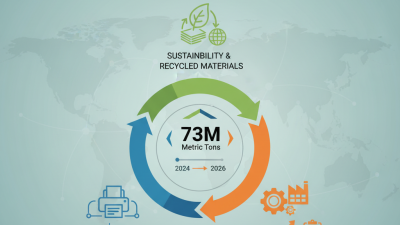
Sustainable paperboard is crucial for eco-friendly packaging and shipping. Its versatility makes it ideal for various products, from food to electronics. Paperboard is biodegradable and can be recycled, significantly reducing waste. Many companies are shifting to paperboard to meet consumer demand for sustainable options.
However, challenges exist. Some paperboard production processes still impact forests. It's vital to source materials from responsibly managed forests. The paperboard industry is improving but must address these concerns. Transparency in sourcing helps consumers make informed choices.
Integrating recycled materials into paperboard is a promising trend. This practice reduces reliance on virgin resources and curtails landfill waste. Furthermore, innovations in water-based inks are enhancing the sustainability of printing on paperboard. While progress is evident, the journey toward fully sustainable practices is ongoing, requiring collective efforts from consumers, businesses, and manufacturers.
Paper is a fundamental resource in educational settings. Its versatility makes it ideal for various learning activities. In classrooms, students use notebooks for taking notes and jotting down ideas during lessons. Paper also serves as a canvas for creativity; drawing and arts projects allow students to express their thoughts visually.
Printed materials are essential for textbooks and workbooks. These resources provide structured information, aiding comprehension. Teachers often print handouts to reinforce the subjects being taught. However, the over-reliance on printed materials raises questions about environmental impact. Recycling and digital alternatives must be considered.
While paper supports learning, it also challenges sustainability. Schools can reduce waste by adopting digital tools. Nonetheless, the tactile experience of paper contributes to deeper learning for many students. Balancing these approaches fosters a more interactive learning environment.
| Use Case | Description | Typical Usage Environment |
|---|---|---|
| Printing and Writing | Used for creating documents, reports, and notebooks. | Offices, schools, and homes |
| Packaging | Used for boxes, containers, and protective materials. | Retail stores and shipping industries |
| Books and Magazines | Used for printed literature, manuals, and periodicals. | Libraries, homes, and educational institutions |
| Art and Craft | Used for drawing, painting, and various craft projects. | Schools, art studios, and homes |
| Documents and Reports | Official papers including contracts, financial reports, etc. | Businesses and governmental offices |
| Educational Materials | Used for worksheets, handouts, and assessments. | Schools and educational institutions |
| Journals and Notebooks | Used for personal reflection, note-taking, and organization. | Students, professionals, and writers |
| Stationery Products | Includes letterheads, envelopes, and cards. | Offices and home offices |
| Research and Proposals | Used for scientific papers, grant applications, etc. | Academic institutions and research facilities |
| Posters and Banners | Used for advertising, events, and educational displays. | Schools, businesses, and events |