Paper Cup Raw Materials: Pros & Cons of PE Coated Paper, PLA Coated Paper & Plastic-Free Cupstock Paper
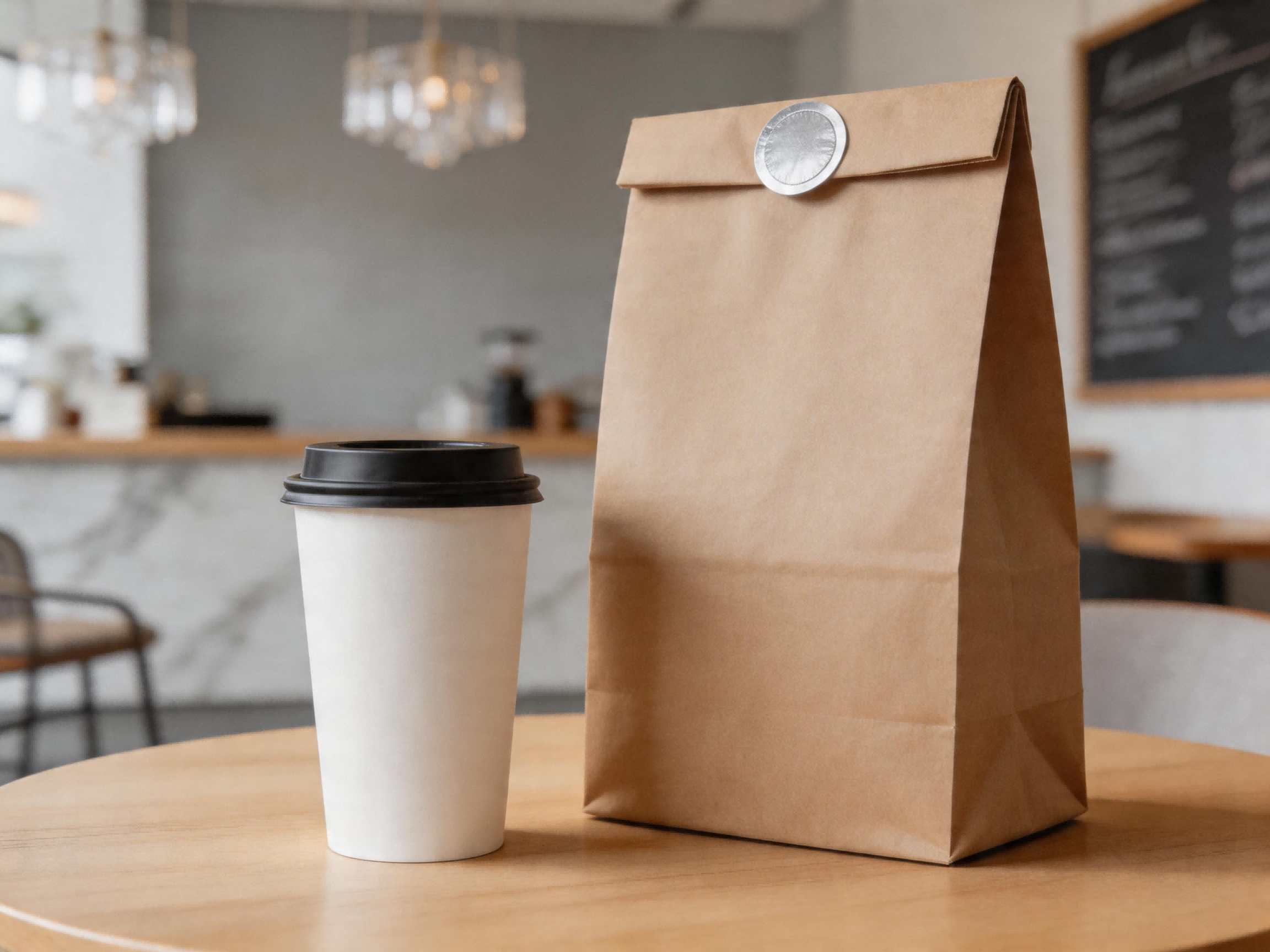
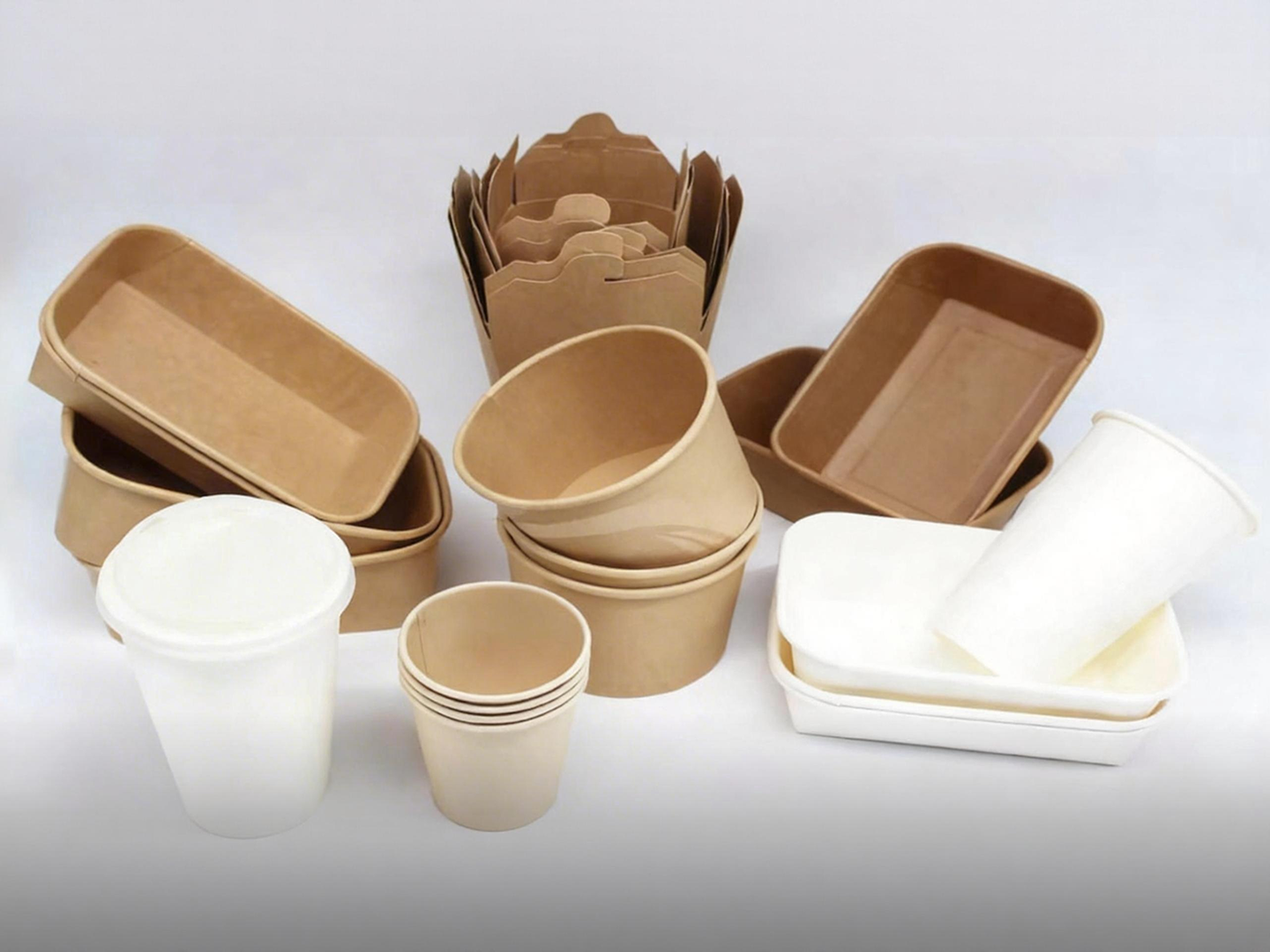
Choosing the right paper cup raw material is a critical decision for manufacturers, foodservice businesses, and brands. As Disposable Paper Cups dominate daily scenarios—from coffee shops to events—the performance, cost, and environmental impact ofpaper cup materialdirectly affect product quality, brand reputation, and profit margins. Currently, the mainstream paper cup raw material options include Pe Coated paper, PLA coated paper, and plastic-free cupstock paper. Each has unique advantages and disadvantages in terms of waterproofness, degradability, production costs, and application scenarios. Below is a detailed analysis to help you make an informed choice.
1. PE Coated Paper: The Most Widely Used Paper Cup Raw Material
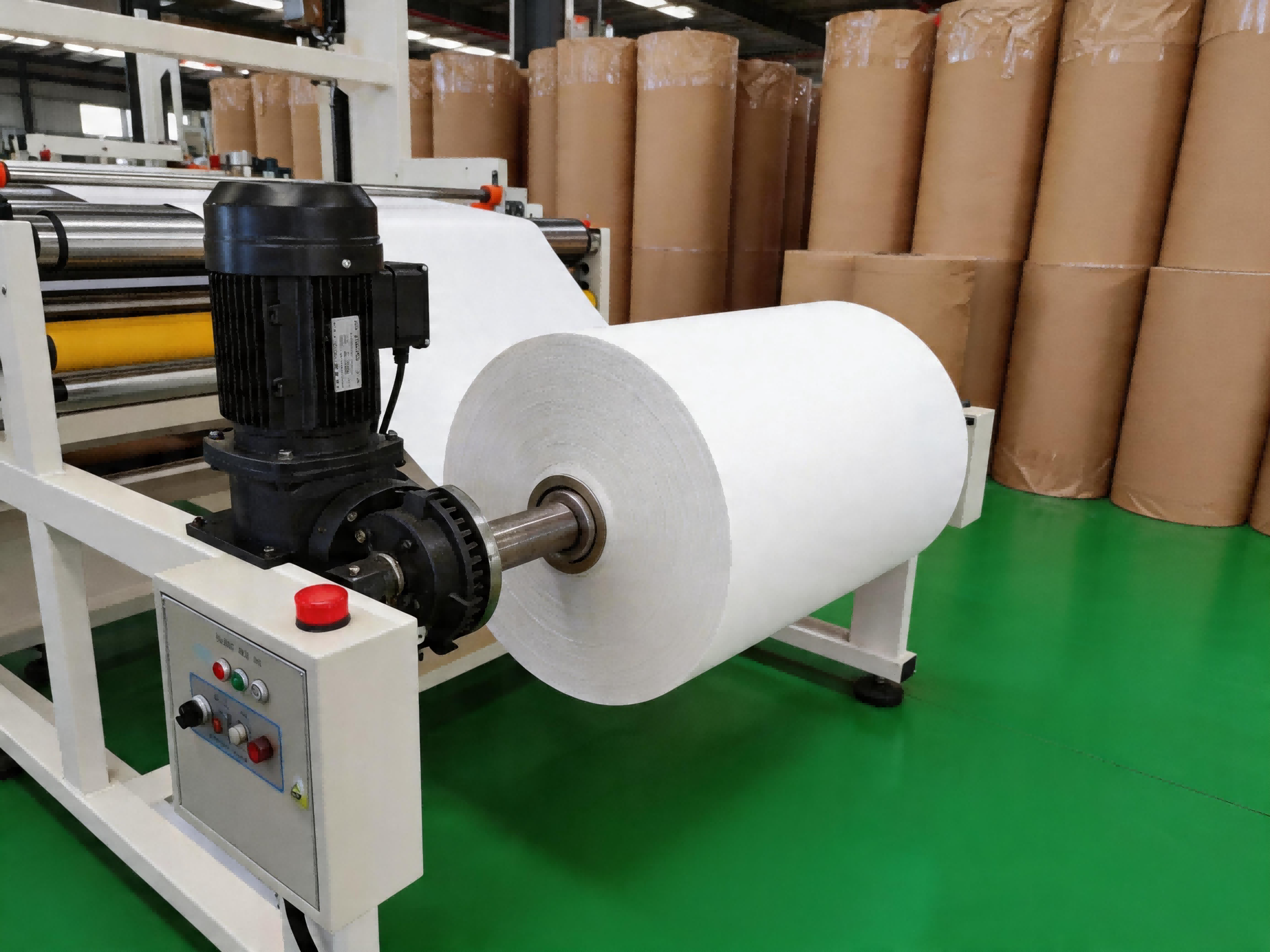
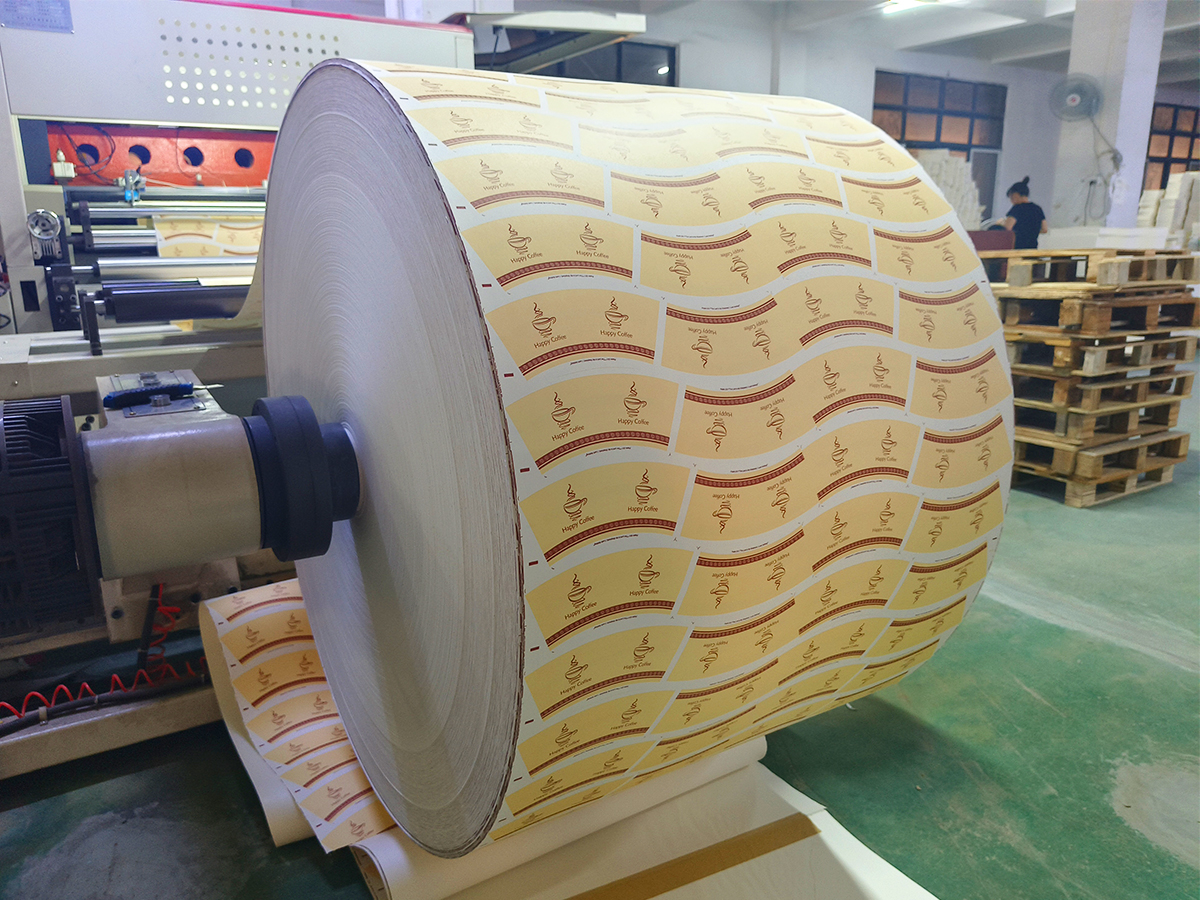
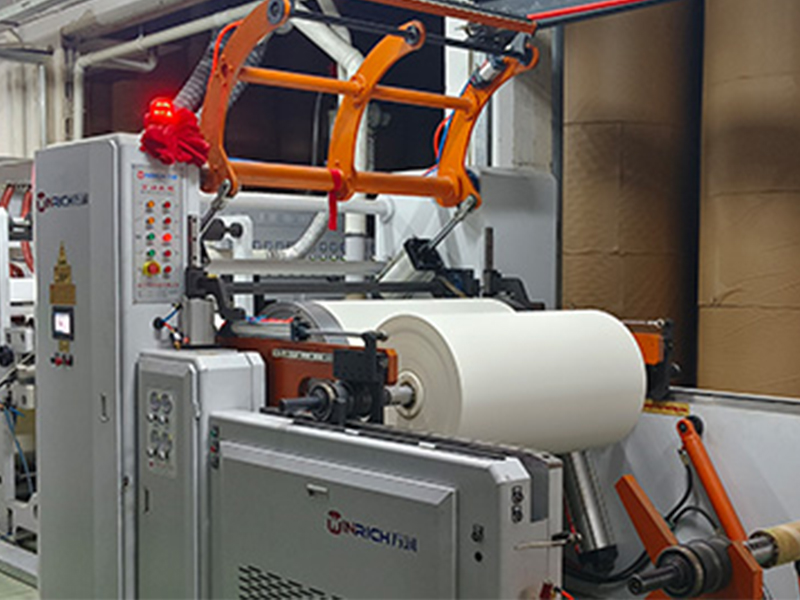
PE coated paper is a classic paper cup material made by laminating a thin polyethylene (PE) film on the surface of base paper. It has long been the first choice for large-scale paper cup production due to its balanced performance and cost advantages.
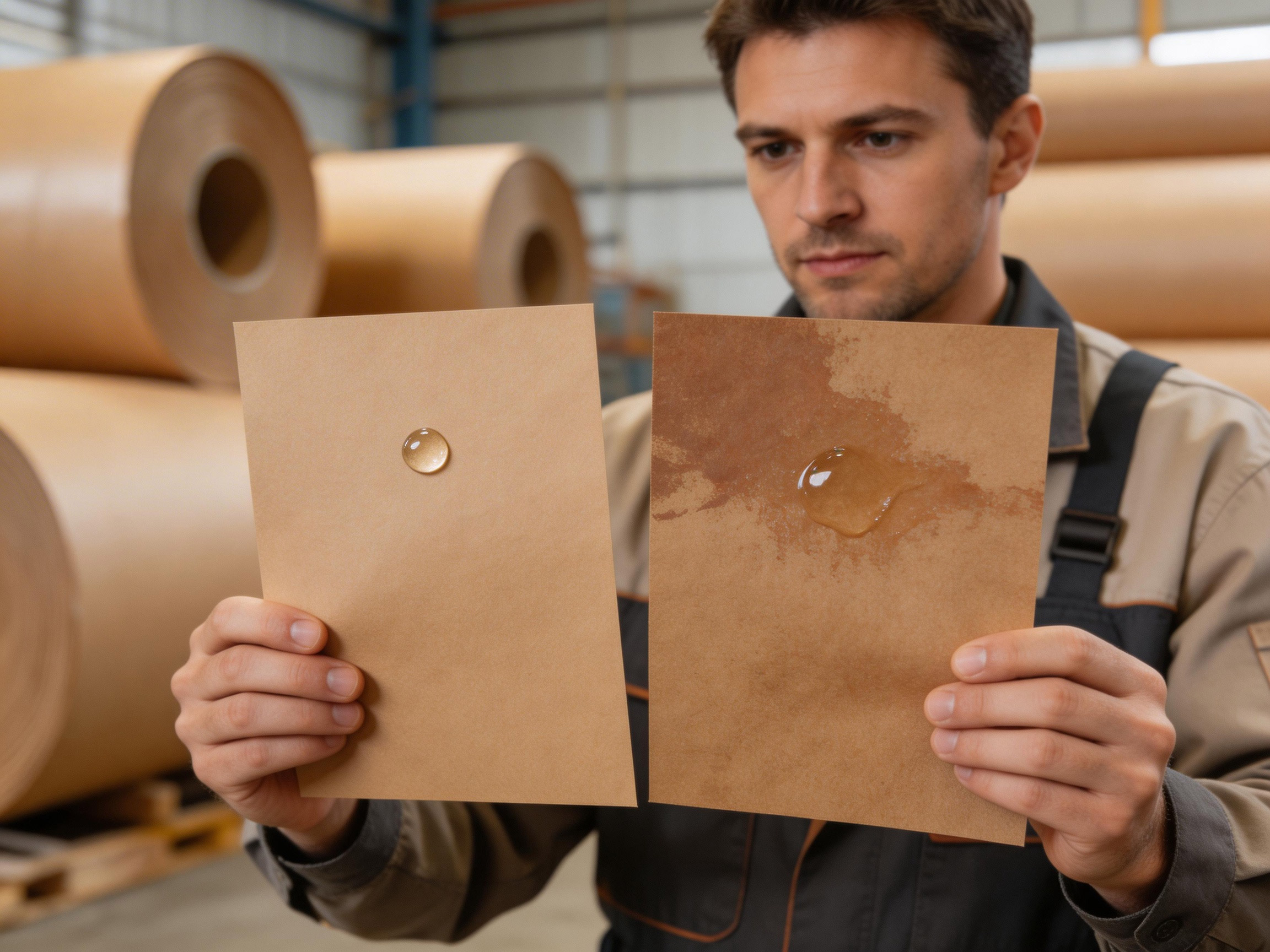
- Excellent Waterproof & Leak-Proof Performance: The PE film (usually 18–25μm thick) forms a dense barrier that effectively prevents liquid penetration, ensuring paper cups do not leak even when holding hot or cold drinks for a long time. This is the core reason why it dominates the paper cup raw material
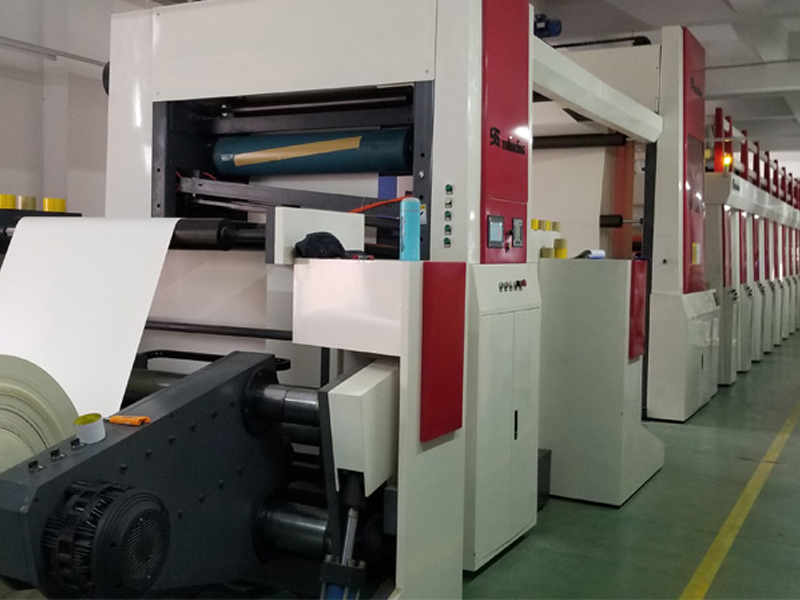
- Low Production Cost & Mature Technology: The raw materials for PE film are easily available, and the coating process is simple and mature (e.g., extrusion coating). Compared with otherpaper cup material options, PE coated paper has lower production and processing costs, making it suitable for large-scale, low-cost production (e.g., fast-food chain disposable cups, event promotional cups).
- Stable Performance & Wide Application: It has good heat resistance (can withstand 80–95℃ hot drinks) and mechanical strength, and the PE film bonds tightly with the base paper (peel strength ≥1.2N/15mm), reducing the risk of film separation during use. It is compatible with various paper cup forming processes, adapting to different cup sizes (5oz–24oz) and usage scenarios.
- Environmental Pollution Risks: PE is a petroleum-based plastic that is difficult to degrade naturally. Discarded PE coated papercups will generate plastic waste, which imposes a burden on the environment if not properly disposed of.
- Complex Recycling Process: The combination of PE film and paper makes separation difficult during recycling. Most recycling facilities lack professional equipment for separation, leading to low recycling rates of PE coated papercups and easy waste of resources.
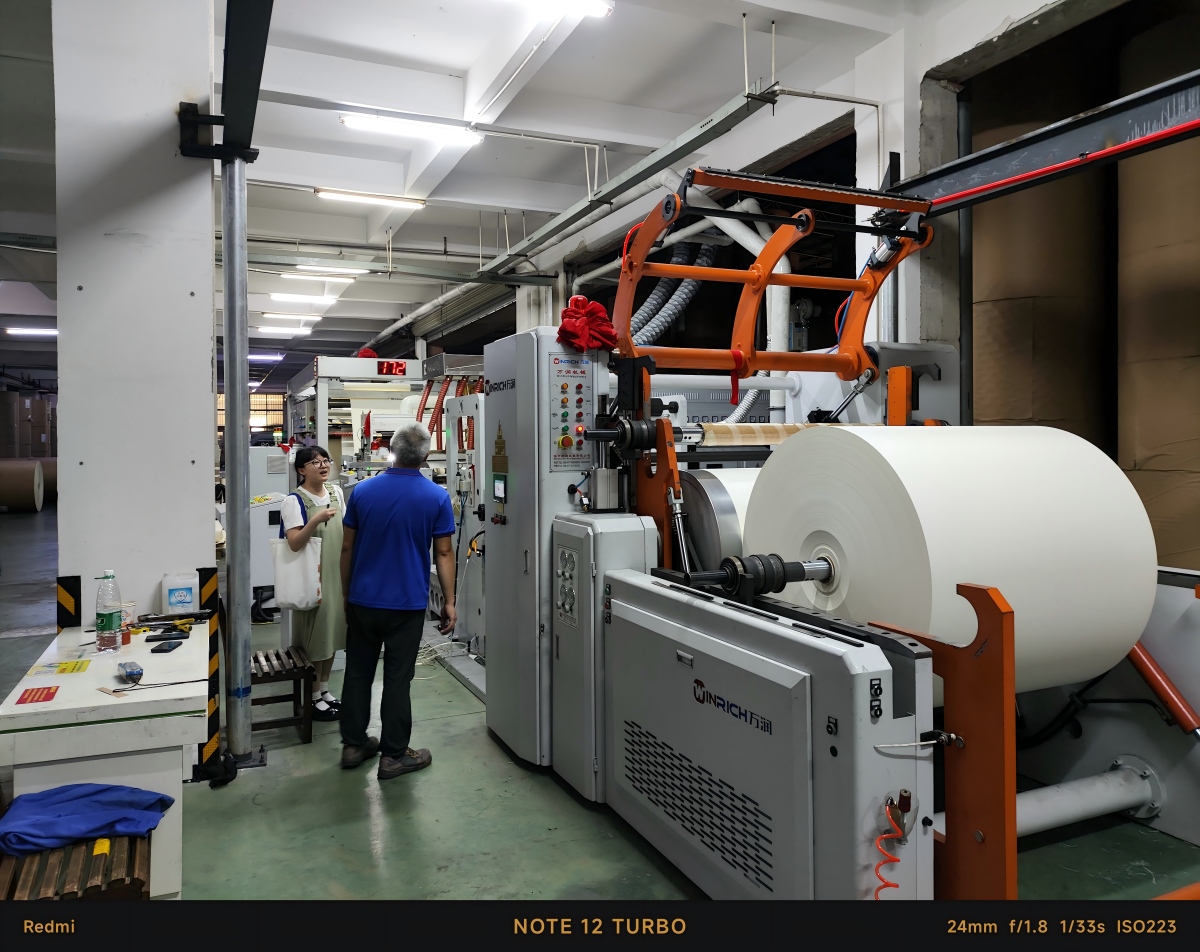
2. PLA Coated Paper: The Eco-Friendly Paper Cup Raw Material
PLA coated paper is an environmentally friendly paper cup material that uses polylactic acid (PLA) film instead of PE film. PLA is a biodegradable plastic made from renewable plant resources (e.g., corn starch, sugarcane), which has become a popular alternative to PE coated paper in the context of global carbon neutrality.
- High Environmental Friendliness: PLA can be completely biodegradable under industrial composting conditions (temperature 55–60℃, humidity ≥90%), decomposing into non-toxic and harmless substances such as water and carbon dioxide within 6–12 months, without polluting the soil or water sources. This solves the environmental pollution problem of traditionalpaper cup raw material.
- Renewable Raw Materials: Unlike PE derived from petroleum, PLA is made from plant starch, which reduces dependence on non-renewable petrochemical resources and aligns with the concept of sustainable development.
- Safe for Food Contact: PLA has passed FDA, EU 10/2011 and other food safety certifications, with no harmful substance migration, making it suitable for food contactpaper cup material scenarios (e.g., hot coffee cups, children's drink cups).
- High Cost: Due to the high cost of PLA raw materials and complex production processes, PLA coated paper is 30–40% more expensive than PE coated paper. The high market price limits its large-scale application in low-cost paper cup raw material demand scenarios.
- Strict Biodegradation Conditions: PLA's biodegradation requires specific industrial composting environments. If discarded in ordinary landfills (lack of temperature and humidity conditions), it will not degrade quickly, and its environmental advantages cannot be exerted. Most regions currently lack supporting industrial composting facilities.
- Limited Heat Resistance: PLA has poor heat resistance, with a heat distortion temperature of only 55–60℃. It is easy to soften or deform when holding drinks above 60℃, so it is not suitable for high-temperature hot drinkpaper cup material
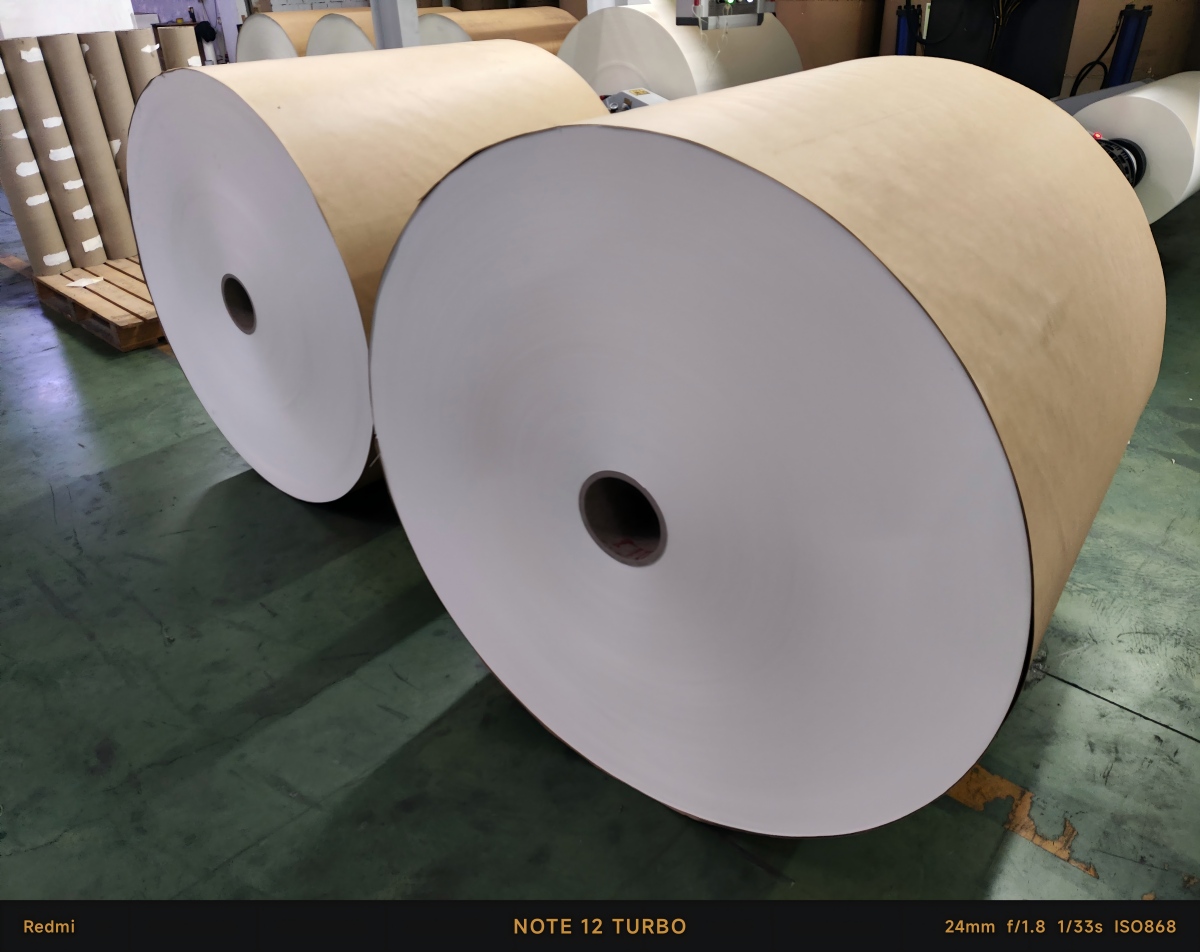
3. Plastic-Free Cupstock Paper: The Zero-Plastic Paper Cup Raw Material
Plastic-free cupstock paper is a revolutionary paper cup material that does not add any plastic coating. It achieves waterproof performance through special physical or chemical treatment (e.g., plant wax impregnation, water-based coating), and is known as the "most environmentally friendly paper cup raw material".
- Absolute Environmental Friendliness: As a 100% plastic-freepaper cup raw material, it can be completely degraded in natural environments or recycled directly (no need for film-paper separation), with zero negative impact on the environment. It is the first choice for brands focusing on green and low-carbon development.
- Simple Recycling: Without plastic coating, plastic-freecupstock paper can be recycled through traditional paper recycling processes, improving resource reuse rates and reducing waste disposal pressure.
- Natural & Safe: It uses natural waterproofing agents (e.g., beeswax, plant starch) instead of chemical plastics, with no peculiar smell and no harmful substance release, suitable for high-end food and beverage paper cup material scenarios (e.g., premium tea houses, organic food events).
- Poor Water Resistance & Leakage Risk: Compared withPE coated paper and PLA coated paper, the waterproof and impermeable performance of plastic-free cupstock paper is significantly inferior. It can only meet the needs of short-term use (within 1–2 hours) for low-temperature drinks; long-term use or holding high-humidity drinks may cause leakage.
- Immature Technology & High Cost: The production technology of plastic-freecupstock paper is still in the development stage, with complex processes and high technical thresholds. Currently, its production cost is 50% higher than that of PE coated paper, and the high price makes it difficult for large-scale promotion.
- Limited Application Scenarios: Due to poor water resistance and moisture resistance, it is not suitable for long-term storage or high-demand waterproof paper cup material scenarios (e.g., takeaway coffee cups, cold drink cups that need to be stored for a long time).
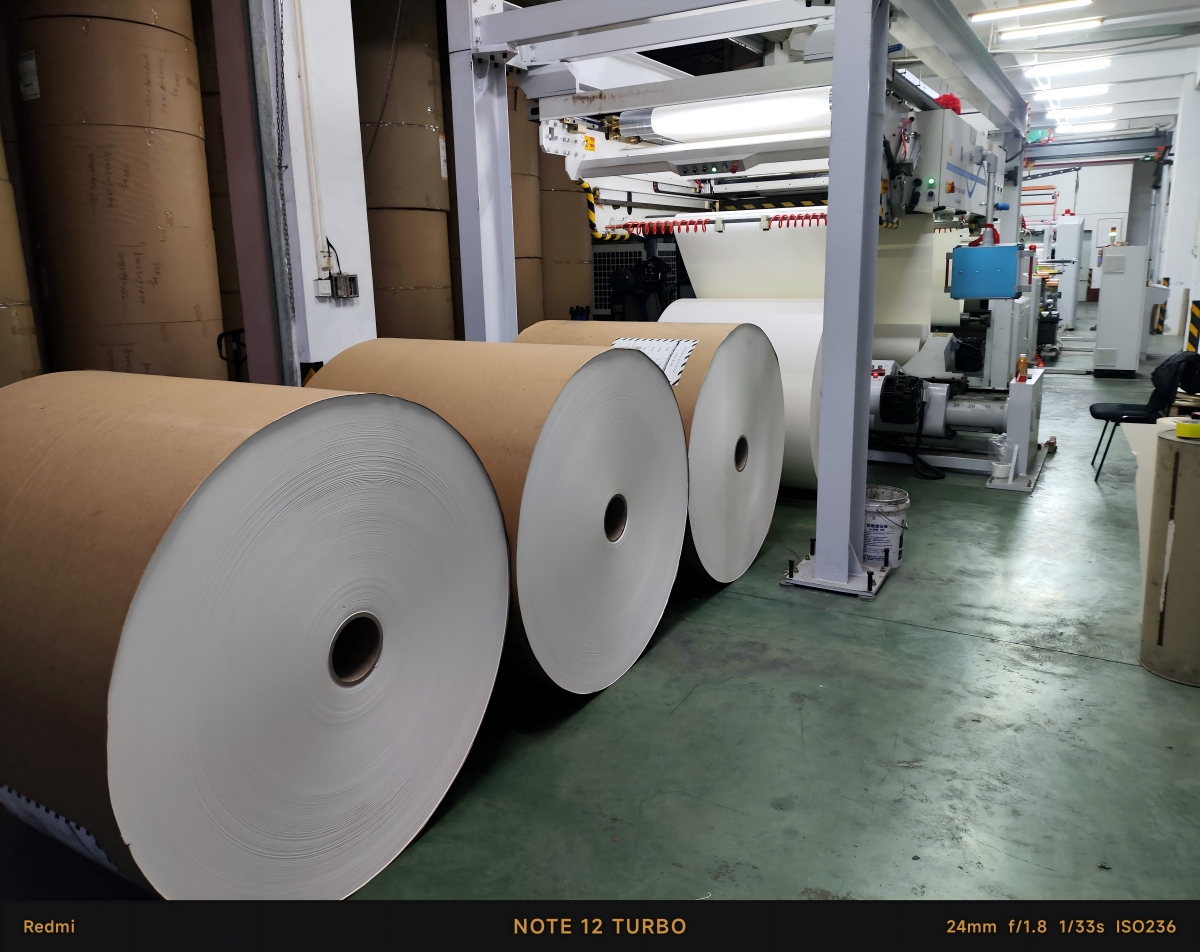
The three mainstream paper cup raw material options have their own trade-offs. When selecting, you need to comprehensively consider the following factors:
- Application Scenario: For large-scale low-cost hot/cold drink cups (e.g., fast food chains), PE coated paper is the most cost-effective; for high-end eco-friendly brands or cold drink scenarios, PLA coated paper is optional; for short-term use green events or premium brands, plastic-free cupstock paper is preferred.
- Budget Constraints: If cost control is the core demand,PE coated paper is the first choice; if environmental protection is prioritized and budget is sufficient, PLA coated paper or plastic-free cupstock paper can be selected.
- Environmental Requirements: Brands focusing on carbon neutrality and sustainable development can choose PLA coated paper (with supporting composting facilities) or plastic-free cupstock paper; ordinary businesses can balance cost and environment by optimizing recycling channels for PE coated paper.
With the continuous progress of science and technology, the performance of paper cup raw material is constantly improving—for example, degradable PE and high-temperature resistant PLA are being developed. In the future, more paper cup material options that balance environmental protection, cost and performance will emerge, promoting the sustainable development of the paper cup industry. If you need personalized recommendations for paper cup raw material based on your specific needs, feel free to contact us for professional advice.