What Are the Top Types of Paperboard Paper?
Paperboard Paper is not one uniform material. It is a family of engineered boards, each balancing stiffness, weight, print quality, and cost. A carton that feels smooth in the hand may use a very different grade from a shipping box built to handle rough transport. Those differences matter.
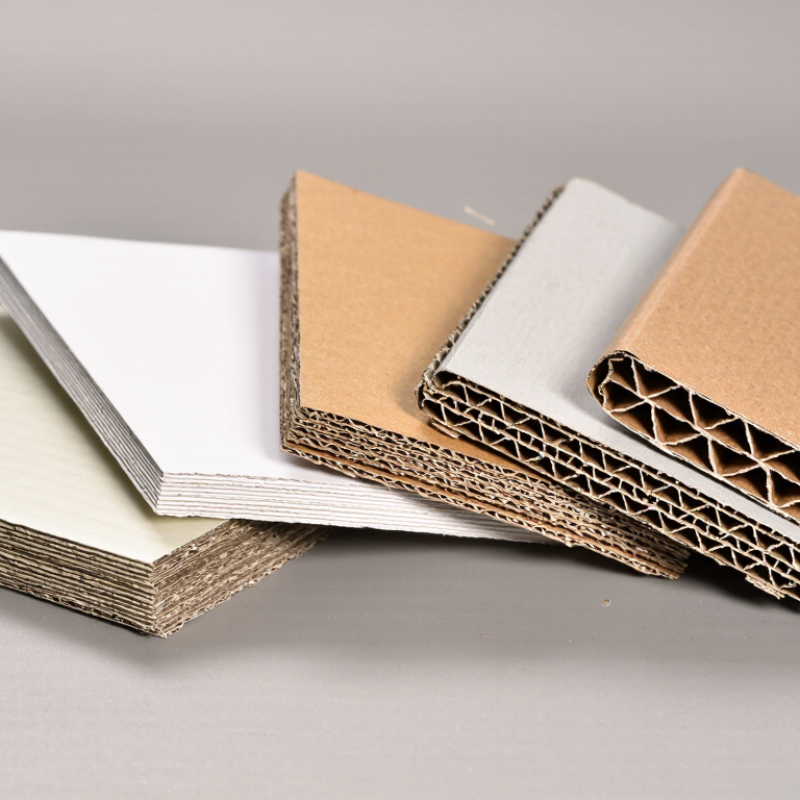
This guide compares the leading types: folding boxboard, solid bleached sulfate, solid unbleached sulfate, coated recycled board, and corrugated board. It explains their common uses and practical trade-offs. Folding boxboard suits many retail cartons. Solid bleached sulfate offers a clean, bright surface for premium packaging. Recycled grades can make good use of recovered fiber, though appearance and performance vary by specification. Corrugated board adds a fluted layer for cushioning and strength. No single grade wins every job.
Dr. Gary Chinga-Carrasco, a researcher whose published work examines fiber-based materials, provides a useful lens for evaluating these choices. A careful paraphrase of his research perspective is: “The performance of fiber-based materials depends on both their structure and the way they are designed for use.” This is a paraphrase, not a verified verbatim quotation. That distinction matters. A board’s name alone cannot guarantee its suitability; thickness, fiber mix, coatings, and converting conditions also shape results. Small details count. A sample can look ideal under showroom lights yet crease poorly on a production line. The sections ahead offer a grounded starting point, while leaving room for testing—because specifications never tell the whole story.
Folding Boxboard for Lightweight, Printable Packaging
Among common paperboard types, folding boxboard (FBB) suits cartons that need a crisp print surface and dependable shape. It is usually built in layers, with a firm middle and smoother outer plies. This structure keeps the board relatively light while helping it resist everyday handling. Small cartons, sleeves, and retail boxes are common uses. The exact grade matters.
Tips: Match board weight to the product, not just the artwork. Ask for a printed sample and check how it folds, scores, and holds its edges. For food packaging, confirm that the selected materials and coatings are suitable for the intended use.
FBB can reproduce fine text and bright colors, making it useful when packaging must communicate product details clearly. Its stiffness also helps cartons keep a tidy shape on shelves. Still, it is not a solution for every package. Moisture, heavy contents, or rough shipping can affect performance, so testing a filled carton is sensible. A polished sample can be persuasive, but it does not show how the pack behaves after repeated handling. That part deserves a closer look.
Solid Bleached Sulfate for Premium Food and Consumer Goods
Solid bleached sulfate, or SBS, is a paperboard made from bleached chemical pulp. Its bright white surface gives printed colors a clean, consistent appearance. The board is also smooth and stiff, which helps cartons hold their shape on a shelf. For premium food packaging, that combination can make a small package feel carefully finished.
Picture a folded carton with crisp edges, fine text, and a soft-touch coating. SBS can support detailed printing and precise die-cut shapes for products such as confectionery, tea, or dry foods. Some grades are designed for direct food contact, but suitability depends on the specific board, coating, and intended use. Check supplier documentation rather than assuming every SBS grade is suitable.
It is not a magic fix. A white surface can show scuffs, and heavy coatings may affect recycling options. Designers should test the carton after folding and filling, not just admire a flat sample. Board thickness, grain direction, and humidity can all change how it performs. That practical check is easy to overlook.
Solid Unbleached Sulfate for Strength and Moisture Resistance
Solid unbleached sulfate paperboard, often called SUS, is valued when packaging needs a firm structure and a natural brown appearance. Its unbleached fibers give the sheet a darker, less uniform look than bright white board. It can hold its shape in cartons, sleeves, and trays, especially when products need protection during stacking and routine handling. Performance varies by grade and construction.
Strength is a key advantage. A suitable grade can resist bending, crushing, and edge damage during everyday handling. This can matter for beverage carriers, chilled-food packs, and hardware boxes.
Moisture resistance needs a closer look. The base board is not waterproof; damp conditions can soften its fibers and weaken folds. Surface sizing, barrier layers, and sealed seams can slow moisture uptake, but they may add cost or affect recycling options. That assumption can mislead.
Choose based on the actual use case. Ask for caliper, stiffness, compression, and moisture-test data, then test a filled package under expected storage conditions. A carton that feels sturdy on a sample table may behave differently in a cold, damp delivery area. Small details matter. Fold direction, score depth, and coating coverage can influence results. There is no perfect grade, and over-specifying board can waste material. The trade-off deserves attention.
Coated Recycled Board for Cost-Effective Packaging
What Are the Top Types of Paperboard Paper?
Coated Recycled Board for Cost-Effective Packaging
Coated recycled board (CRB) combines recovered paper fibers with a smooth coated surface. It suits cartons for dry goods, cosmetics, and small household products, where clear graphics matter but premium virgin board may not be necessary. The coating helps ink look sharper and can improve surface consistency. It does not make the board waterproof.
Cost depends on more than the sheet price. CRB can reduce material costs when its stiffness and thickness meet the package’s needs without overengineering. The catch is variation: recycled fibers may differ in shade, strength, and surface, so approve samples and test finished cartons on packing lines. A glossy proof is not enough.
The American Forest & Paper Association reported a 67.9% U.S. paper and paperboard recycling rate for 2022. That figure describes the wider paper stream, not CRB alone, but it shows the scale of fiber recovery behind recycled grades. For practical sourcing, ask suppliers for recycled-content documentation, caliper tolerances, and performance data. Check how the carton handles scoring, folding, and transit. Small flaws show up fast. Recycled board is not automatically the cheaper choice if rejects or added protective packaging erase the savings.
Chipboard for Rigid Boxes and Protective Uses
Chipboard is a dense paperboard commonly used to build rigid boxes for cosmetics, electronics, gifts, and specialty foods. In a box, its thickness helps hold sharp corners and resist everyday crushing. It can also protect small items from rubbing against one another during storage. A practical detail: the board’s grade and caliper matter. A thin sheet may look sturdy but flex under pressure, while a thicker one adds weight and cost. “Rigid” does not mean indestructible.
The U.S. Environmental Protection Agency reported that 68.2% of paper and paperboard was recycled in 2018 (Advancing Sustainable Materials Management: 2018 Fact Sheet). That figure covers the wider material category, not chipboard boxes alone. Coatings, laminations, adhesives, and attached inserts can affect whether a local mill accepts a finished box. Check the actual construction. For protective packaging, test a filled box for corner dents, lid fit, and movement after handling; paperboard performance can change with moisture, too. I would not promise protection from heavy impacts without testing—the weak point is often a crushed edge, not the broad panel.